
21st February 2026
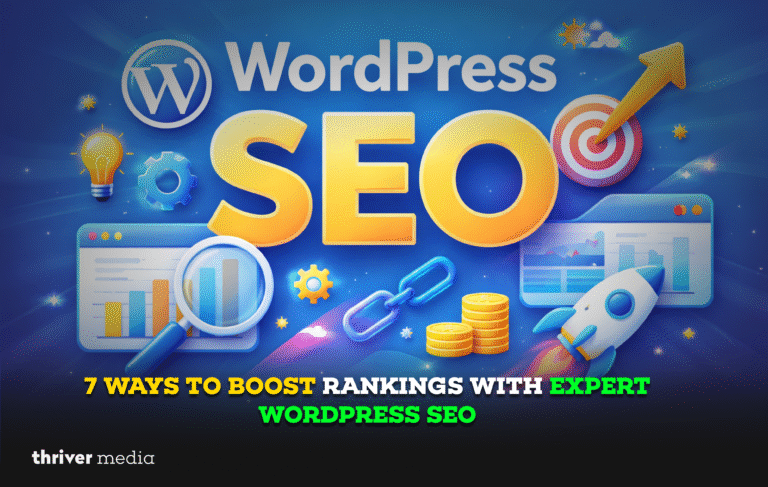
Remember when SEO felt like a game of connecting the dots? You’d pick a keyword, write a post, and patiently wait for the traffic to trickle in? Well, 2026 just walked in and politely asked, “That’s cute, but what else you got?”
We are officially living in the era of “Zero-Click” searches and AI-powered answers. If you’re running a WordPress site, you might have noticed that simply ranking #1 doesn’t guarantee the flood of visitors it used to. Don’t panic this isn’t the end of the road; it’s a new beginning. Google is evolving from a simple link machine into an answer engine, and your favorite page builder needs a serious glow-up to keep up.
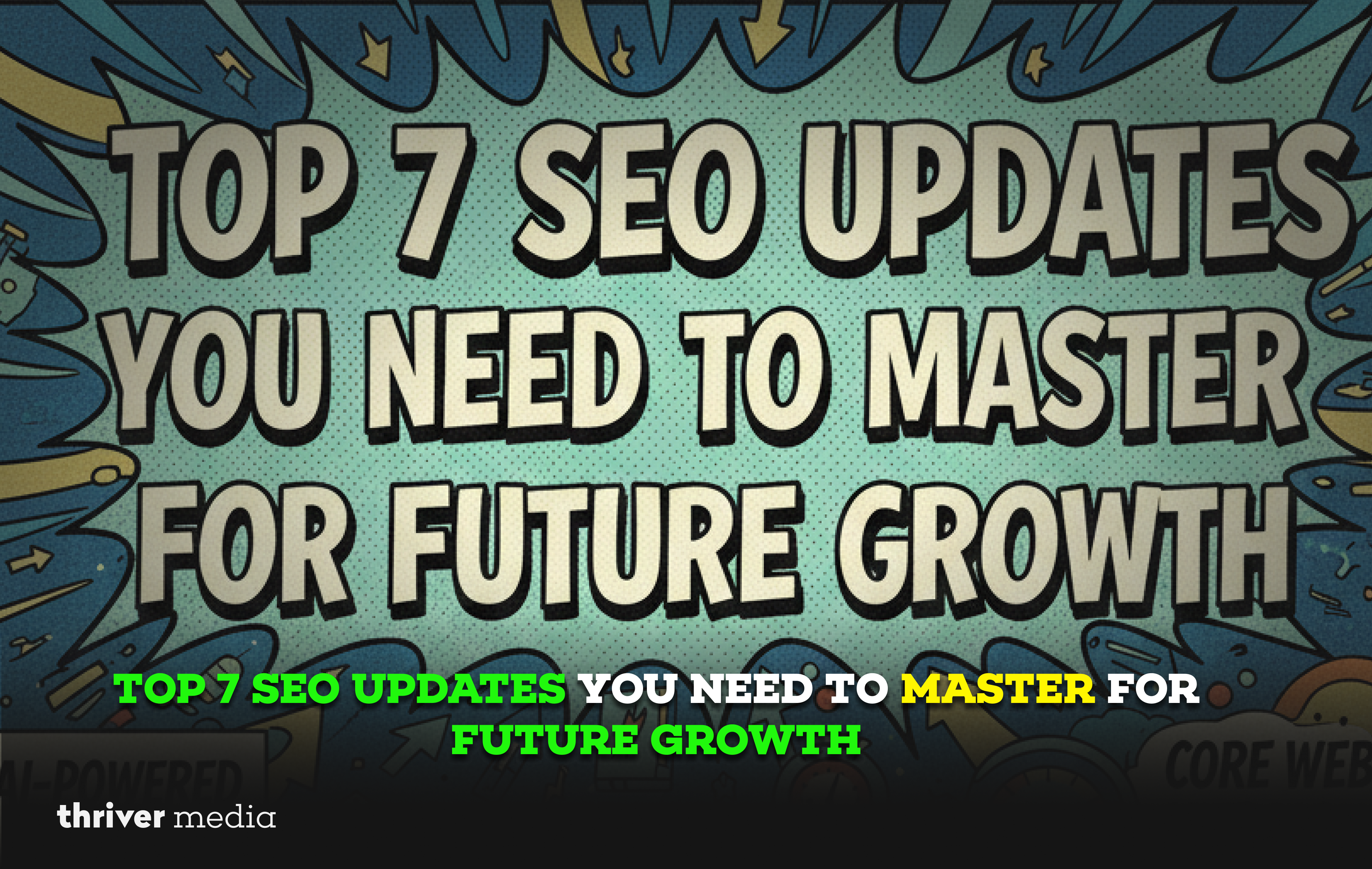
To help you navigate this shift, we’re peeling back the layers on the top 7 SEO updates dominating 2026. We’ll look at the hard data, the strategic shifts, and most importantly exactly how to tweak your WordPress plugins and themes to not just survive, but absolutely thrive.
Key Points to Remember
- Visibility > Traffic: Winning means getting your brand cited inside AI answers, not just getting clicks.
- Local is Loud: Google Discover now prioritizes content based on your specific country, rewarding local expertise.
- Topic Domination: Stop writing about keywords; start building “Topic Clusters” to prove you’re the expert.
- The “Brand” Factor: Your reputation (reviews, PR, citations) is now a direct ranking signal for AI models.
Why Your WordPress Site Needs a 2026 Tune-Up
If your SEO strategy still revolves around stuffing keywords into a blog post and hoping for the best, you’re leaving serious traffic on the table. The data is clear: we are moving toward a hybrid web where content influences buying decisions even when it doesn’t immediately result in a click .
For WordPress users, this is actually a massive opportunity. Unlike rigid, closed-off platforms, WordPress gives you total control over code, schema, and plugins. You have the power to adapt faster than anyone else. But with great power comes great responsibility specifically, the responsibility to get under the hood and optimize for the new reality.
Here are the Top 7 SEO Updates you absolutely need to master right now.
1. The Death of the Click (And the Birth of “Influence”)
Let’s address the elephant in the room. According to recent reports from tools like Ahrefs, when Google’s AI Overview appears at the top of the search results, the #1 organic result can lose up to 58% of its click-through rate . Sounds terrifying, right? But here is the plot twist: your content is still winning.
The Shift to Visibility Metrics
In 2026, success is no longer measured solely by traffic. It’s measured by visibility. Even if users don’t click, your content is being used as the source for the AI overview. Your brand is getting exposure to millions of eyes without the user ever leaving Google.
How to Win on WordPress
- Optimize for Snippets: Use a WordPress SEO plugin like Rank Math or Yoast to format your content with clear, direct Q&A sections. Ask the question in an H2 or H3, and then answer it in one concise paragraph right below it.
- The “Source” Mindset: Write content so definitive and well-cited that AI has to use it as a reference. Update old posts with new data and expert quotes.
2. Google Discover Gets Its Own Rulebook (Finally)
In a move that shocked the SEO world, Google released its first-ever Discover-only Core Update in February 2026 . Discover isn’t search; it’s the feed users scroll on their mobile devices when they open Chrome or the Google app. This update changed everything for affiliate sites and bloggers.
Local Content Wins (Seriously)
Google now prioritizes content from websites based in the user’s country. If you are a UK publisher trying to reach a US audience via Discover, you just got knocked down a peg .
- The Sensationalism Crackdown: Clickbait headlines like “You Won’t Believe What Happened Next” are being algorithmically suppressed.
- Topic-by-Topic Expertise: You can’t just be a generalist. If you have a killer section on “Gardening Tips,” Google will recognize that specific expertise, even if the rest of your site is about tech .
WordPress Action Plan
- Geo-Targeting with Plugins: Use plugins like WPML or Polylang to create distinct, locally-relevant versions of your content if you serve multiple countries.
- Clean Up Your Headlines: Go through your WordPress dashboard and rewrite old, sensational headlines into clear, descriptive ones. Describe what the reader will learn, not what emotion you want them to feel.
3. Goodbye Keywords, Hello Topic Clusters
Search engines are now “answer engines.” They don’t just look for the word “SEO“; they look for contextual depth around digital marketing, algorithms, and AI. This is called semantic search .
The Entity Authority Model
Google now evaluates your site based on Entities (people, places, things) rather than just strings of keywords. If you want to rank for “Retirement Strategies,” you need to prove you are an authority on every facet of retirement: 401ks, IRAs, tax implications, and estate planning.
Building Pillars on WordPress
- Pillar Pages: Create a massive, comprehensive “Pillar Page” on your main topic (e.g., “The Ultimate Guide to Retirement Planning”).
- Cluster Content: Write dozens of smaller blog posts that link back to that Pillar Page (e.g., “Best IRA Accounts 2026,” “Tax Tips for Retirees”).
- Internal Linking Automation: Use a plugin like Link Whisper to suggest intelligent internal links between your clusters and pillar pages automatically.
4. GEO: The New Kid on the Block
You’ve heard of SEO. Now meet Generative Engine Optimization (GEO) . This is the practice of optimizing your content specifically to be picked up and read by AI models like ChatGPT, Gemini, and Perplexity .
The Data Doesn’t Lie
While traditional SEO still drives about 34x more traffic than AI chat bots, the growth rate of AI traffic is exponential . Plus, traffic from AI platforms tends to convert 6x better for non-branded searches .
GEO Hacks for WordPress
- LLMs.txt Support: Some cutting-edge WordPress plugins (like miniOrange SEO Plus) now offer llms.txt features. This creates a file that tells AI models exactly how to read and cite your website .
- Conversational Language: Write in a natural, conversational tone. Use long-tail question-based headings that mimic how people speak into voice assistants or chatbots.
5. Brand Citations: The New Backlink
For years, we chased backlinks like they were gold. In 2026, we are chasing Brand Mentions . AI models are smart enough to recognize your brand name even if there isn’t a hyperlink attached.
Reputation as a Ranking Factor
If a major news site mentions your brand in an article (even without linking to you), AI takes note. It signals that you are a real, trustworthy entity in the real world. Coupled with consistent NAP (Name, Address, Phone) information across the web, this builds “Entity Authority.“
WordPress Setup
- Schema is Mandatory: Use a schema plugin to mark up your Organization details. Tell Google explicitly who you are, what your logo is, and what your social profiles are.
- Press Coverage: Don’t just ask for links; ask for citations. When you get a mention, share it on your site using the “Quote” or “As Featured In” blocks.
6. Performance is Still the Kingmaker
We can talk about AI all day, but if your WordPress site loads like a snail in peanut butter, you’re done. Core Web Vitals remain a critical ranking factor. Specifically, you need to master INP (Interaction to Next Paint) , which measures how quickly your site responds to user taps and clicks .
The Speed-Engagement Loop
Google’s data shows that bounce rates increase by 32% when page load time goes from 1 second to 3 seconds . If users bounce immediately, Google notices they don’t like your site, and your rankings drop.
WordPress Performance Stack
- Hosting: Don’t cheap out on hosting. Managed WordPress hosting (like Kinsta, WP Engine, or Cloudways) makes a massive difference.
- Caching & CDN: Use a caching plugin like WP Rocket or W3 Total Cache and a CDN (like Cloudflare) to serve static files quickly.
- Image Optimization: Compress images with ShortPixel or Imagify before uploading. Lazy-load your images so they only load when the user scrolls to them.
7. The Mobile-First Reality Check
Google uses Mobile-First Indexing. That means Google looks at the mobile version of your site to determine rankings period. If your mobile site is clunky, your rankings will be clunky .
Engagement on the Go
Mobile users behave differently. They scroll faster, get distracted easier, and have shorter attention spans. Your site needs to cater to the thumb-stopping experience.
WordPress Mobile Tweaks
- Responsive Theme: Ensure your theme is 100% responsive. Test it on Google’s “Mobile-Friendly Test” tool.
- Font Sizes: If your readers have to pinch-to-zoom to read the text on their iPhone, they will leave. Increase your base font size to at least 16px on mobile.
- Interstitials: Avoid those annoying pop-ups that cover the entire screen on mobile. Google penalizes intrusive interstitials.
| SEO Factor | Why It Matters in 2026 | WordPress Tactic |
|---|---|---|
| AI Overviews | Zero-click searches dominate; CTR drops for #1 result | Q&A formatting via Rank Math/Yoast; concise, direct answers |
| Discover Feed | Standalone algorithm; rewards local, non-sensational content | Geo-targeting plugins (WPML); clear headlines; topic-specific depth |
| Topic Clusters | AI prioritizes semantic depth & “Entity” authority over keywords | Pillar pages + Cluster blogs; automated internal linking (Link Whisper) |
| GEO (Generative) | Growth of ChatGPT/Perplexity; traffic converts 6x better | LLMs.txt support (miniOrange); conversational tone; question-based headings |
| Brand Mentions | Unlinked brand citations build “Entity Authority” for AI | Organization Schema; “As Featured In” blocks; consistent NAP across directories |
| Core Web Vitals | INP (Interactivity) is key; slow load times increase bounce rates | WP Rocket, Cloudflare CDN, ShortPixel image compression, Managed hosting |
| Mobile Experience | Mobile-first indexing; pop-ups & small fonts penalized | Responsive theme; min 16px font; avoid intrusive interstitials; mobile testing |
FQAs
Absolutely not. SEO has just evolved. It’s no longer about tricking algorithms; it’s about proving your expertise to AI systems. If you adapt, you will thrive.
No, but diversify. Backlinks are still great, but “Brand Mentions” (unlinked citations) are rising fast as a trust signal for AI models like ChatGPT.
Update security patches immediately. For feature updates, test them on a Staging Environment first (most good hosts offer this one-click) to ensure they don’t break your speed or schema.
Audit your content for “Intent.” Go to Google Search Console and look at the queries you rank for. Does your content actually answer those questions fully? If not, update it.
The Bottom Line
The game has changed, but the players who adapt will find the field less crowded. In 2026, the winners won’t be the ones screaming the loudest for a click; they’ll be the ones providing such clear, authoritative, and structured information that Google’s AI has to cite them.
Your WordPress site is the perfect vehicle for this journey. With the right plugins, a focus on Topic Authority, and a solid understanding of GEO, you can turn the “Zero-Click” problem into your biggest visibility win.
Official Source Links for Further Reading:
Conclusion
The anxiety you feel about dropping traffic numbers is valid, but it shouldn’t paralyze you. It should propel you to act. Your WordPress site is your castle, and with the tactics we discussed Topic Clusters, GEO optimization, and Brand Authority you can build walls that no algorithm update can tear down.
Remember this:
- Don’t write for robots; write for the robots that answer humans. Structure your knowledge so AI can find it easily.
- Speed isn’t a feature; it’s the price of entry. If your site is slow, nothing else matters.
- Your brand name is your new domain authority. Get mentioned, get cited, and get known.
The future of SEO isn’t about fighting for the last click; it’s about being the first name the AI whispers in the user’s ear. So, log into your WordPress dashboard, open that old blog post you’ve been neglecting, and give it the 2026 glow-up it deserves.
Disclaimer: The news and information presented on our platform, Thriver Media, are curated from verified and authentic sources, including major news agencies and official channels.
Want more? Subscribe to Thriver Media and never miss a beat.