
26th February 2026
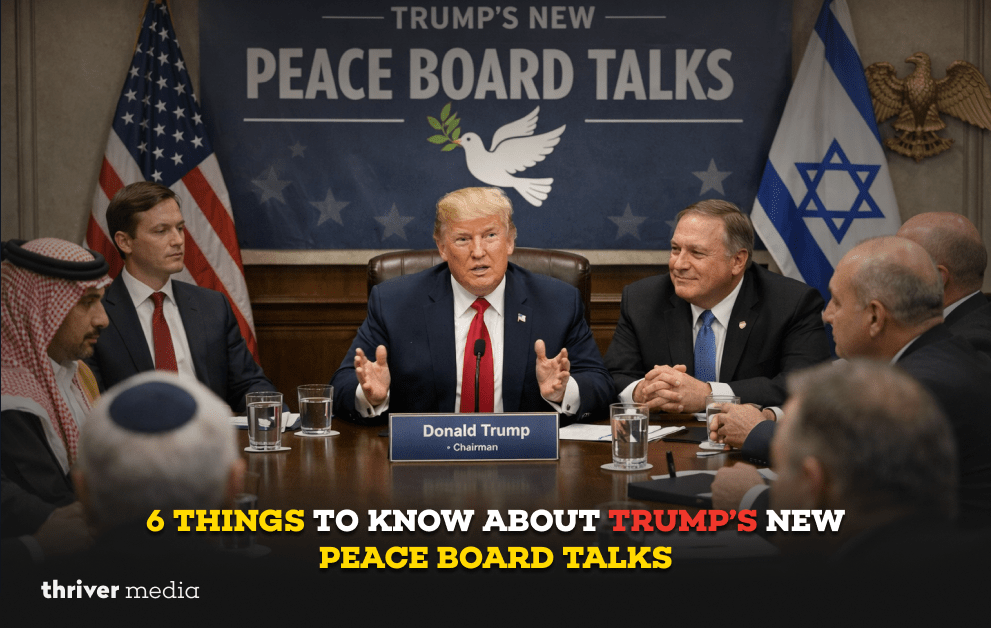
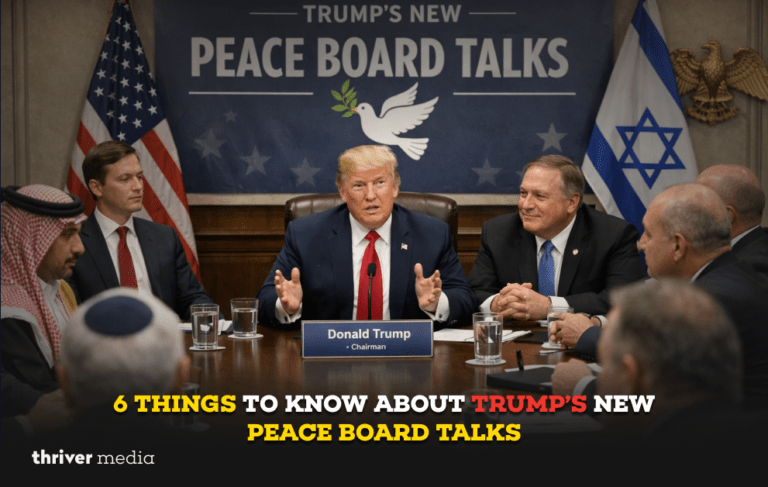
We aren’t talking about your typical diplomatic tea-sipping ceremony. This meeting brought together two dozen world leaders, some of whom are traditionally seen as authoritarian-leaning, while noticeably leaving out the usual European democrats who typically sign onto U.S.-led initiatives . The goal? To tackle the seemingly endless conflicts in the Middle East and beyond, starting with the reconstruction of Gaza, which was left in ruins after two years of devastating war between Hamas and Israel.
But here is the kicker: while Trump was talking about peace, U.S. warplanes and aircraft carriers were simultaneously heading toward Iran . It is the ultimate “stick and carrot” approach, and the world is watching to see if this unconventional board can actually deliver what decades of traditional diplomacy could not. Whether you are a geopolitics junkie or just trying to figure out why this matters for your morning news feed, here are the eight things you absolutely need to know about Trump’s new Board of Peace.
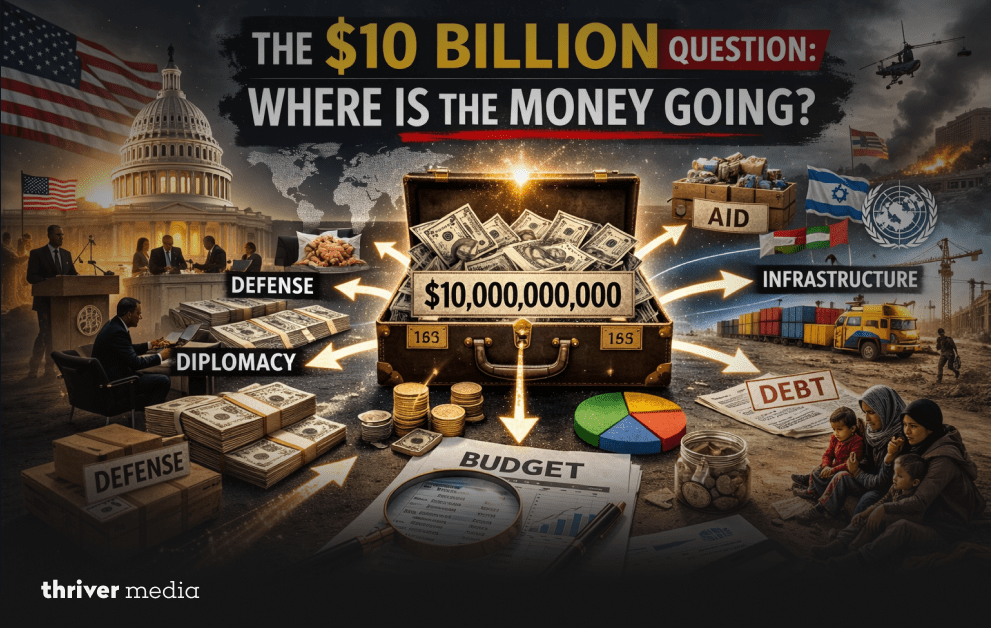
The $10 Billion Question: Where is the Money Going?
Let’s talk about the elephant in the room: the money. President Trump announced that the United States would be kicking in a whopping $10 billion to the Board of Peace . To put that in perspective, that is roughly the GDP of a small country. But here is where it gets murky.
A “Small Number” for a Big Problem
Trump referred to this amount as a “small number” compared to the cost of endless war . However, when pressed on where this money is actually coming from, the White House has been surprisingly quiet. There has been no clear indication of whether this is a new appropriation that needs to pass through Congress, or if it is being redirected from existing foreign aid budgets . This lack of transparency has drawn criticism, with experts questioning the “opaque nature” of the entire fund .
Matching Funds and Member Dues
It isn’t just the U.S. writing checks. Trump claimed that member countries have already secured an additional $7 billion in investments for rebuilding Gaza . But membership has its price. If a country wants a permanent seat on the board (beyond the standard two-year stint), they need to cough up $1 billion .
Keypoint: The Board of Peace is flush with cash, but no one seems to know exactly where the U.S. share is coming from, or how strictly it will be audited. It is a high-stakes investment in a region that has seen billions in aid disappear into the sand before.
The Power Dynamic: Trump’s Veto and Lifetime Chairmanship
If you are joining a club, you usually get a say in how it’s run. However, the Board of Peace has a very specific set of rules that place power squarely in the hands of one man.

The Eternal Chairman
In a move that raises eyebrows among constitutional scholars, Trump has structured the board so that he will wield veto power over its decisions. Even more striking, he can remain its head even after leaving office . This essentially creates a parallel diplomatic structure that exists independently of who sits in the White House in the future.
The Inner Circle
The “founding Executive Board” reads like a guest list at a Mar-a-Lago dinner. It includes Trump’s son-in-law Jared Kushner, Secretary of State Marco Rubio, special envoy Steve Witkoff, and notably, former British Prime Minister Tony Blair . This mix of family, government, and former world leaders suggests the board will operate with a high degree of personal loyalty to Trump’s vision.
Keypoint: The Board of Peace is designed to be Trump’s diplomatic legacy, protected from future political winds by a constitution that keeps him at the helm indefinitely.
The “Authoritarian” Allies vs. The Absent Europeans
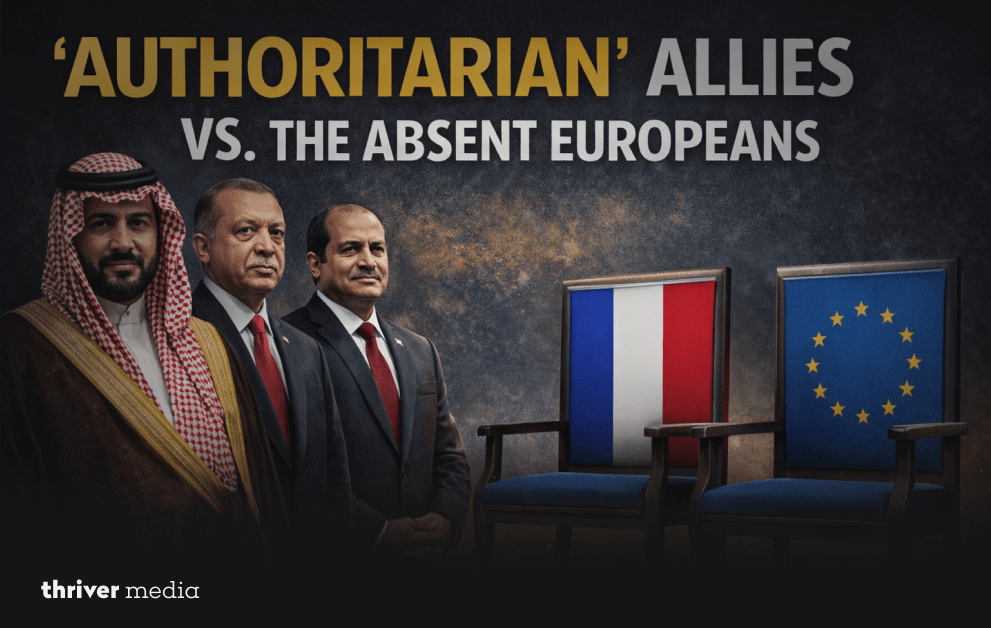
Perhaps the most telling aspect of the Board’s inaugural meeting was who showed up and who stayed home. Trump welcomed roughly two dozen allies, but the guest list was notable for whom it excluded.
The New Coalition
The attendees included several of Trump’s “authoritarian-leaning” friends . A key player at the table was Indonesia, the world’s largest Muslim-majority country. President Prabowo Subianto attended in person, and Indonesia has stepped up in a massive way, agreeing to send up to 8,000 troops to Gaza as part of the International Stabilisation Force (ISF) and accepting the role of deputy commander . Morocco has also pledged troops .
The No-Shows
Where were the Europeans? France, Britain, and Germany key U.S. allies for decades were notably absent from taking seats on the board . The European Union has decided to opt out of a formal role, choosing to observe rather than participate . Even key U.N. Security Council members like Russia and China, while invited, have not announced a decision to join . Trump expressed his desire to have them on board, but for now, the traditional Western alliance structure appears sidelined.
Keypoint: The Board of Peace represents a realignment of international cooperation, leaning heavily on non-Western powers like Indonesia while sidelining the traditional European allies who have dominated post-WWII diplomacy.
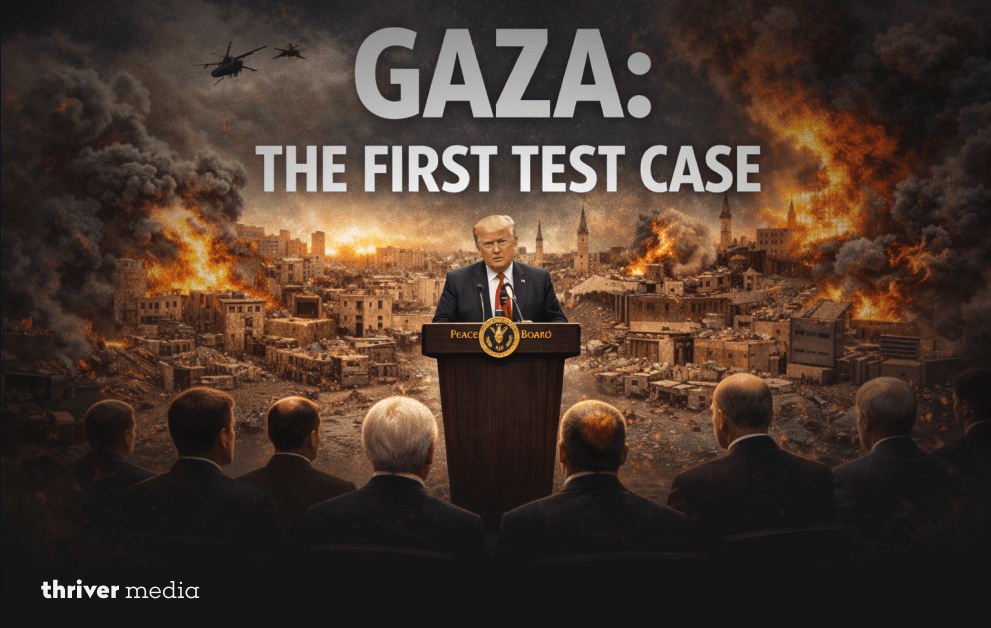
Gaza: The First Test Case
The immediate priority for the Board of Peace is Gaza. The ceasefire, negotiated back in October 2025, has held, but the territory is devastated.
The Technocratic Committee
Since Hamas still exerts influence, the board is backing a new governing body. A technocratic committee has been formed to handle the day-to-day governance of Gaza, headed by engineer and former official Ali Shaath . Shaath actually attended the Board meeting, signaling that this is the body the U.S. sees as the legitimate future administrator of Gaza .
The Disarmament Dilemma
Here is the deal-breaker. Israeli Prime Minister Benjamin Netanyahu has been crystal clear: “There will be no reconstruction of Gaza before the demilitarisation of Gaza” . This means Hamas must give up its weapons. U.S. envoys believe Hamas is feeling the pressure, but it remains unclear how the new technocratic committee plans to handle the delicate task of disarming the militant group .
The Stabilisation Force
Major General Jasper Jeffers, the American chief of the ISF, confirmed that Indonesia will serve as deputy commander, with Morocco providing additional troops . This international force is supposed to ensure security while the reconstruction happens.
Keypoint: Gaza is the proving ground. If the Board can pull off the twin miracles of disarming Hamas and rebuilding the strip with international troops keeping the peace, it will validate their entire approach. If not, it becomes just another failed talk shop.
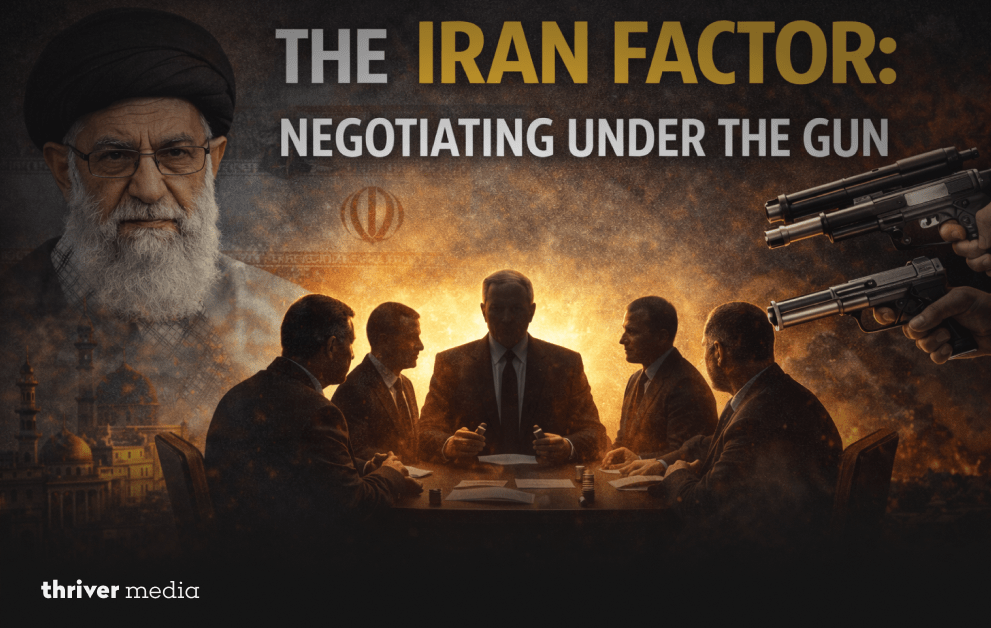
The Iran Factor: Negotiating Under the Gun
You cannot talk about peace in the Middle East without talking about Iran. And here is where the Board of Peace’s message gets confusing.
The Clock is Ticking
While the Board met to discuss harmony, Trump was simultaneously moving military assets into the Persian Gulf. He warned Iran that Washington “may have to take it a step further” without an agreement on its nuclear program, ominously adding, “You’re going to be finding out over the next probably ten days” .
The Preference for Talks
Despite the military buildup, Trump insists that negotiations are his “preference.” Following a meeting with Netanyahu, he stated that he wants to continue talks with Iran to see if a “Deal can be consummated” . He referenced his previous strikes on Iran (“Midnight Hammer”) as a warning of what happens if talks fail .
Iran, however, is playing hardball. While agreeing to continue negotiations, they refuse to discuss their missile program or regional alliances, which are exactly the topics the U.S. wants on the table .
Keypoint: The Board of Peace is trying to build something in Gaza, but the biggest threat to that peace is the sword of Damocles hanging over the Iran nuclear talks. It is a high-wire act of diplomacy backed by carrier strike groups.
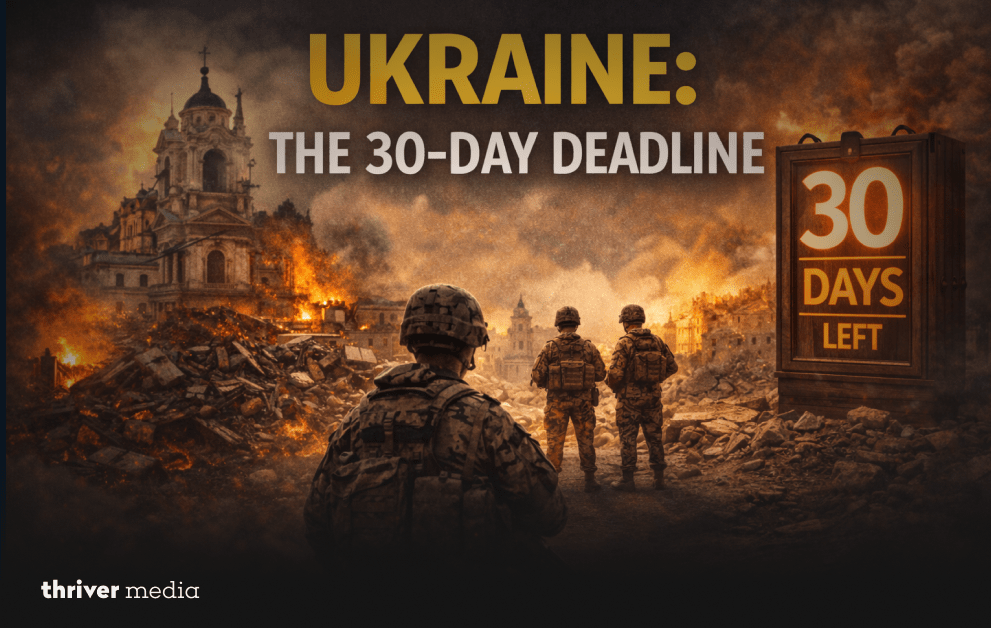
Ukraine: The 30-Day Deadline
The Board’s scope isn’t limited to the Middle East. Trump is also applying his deal-making timeline to the war in Ukraine.
A Month to Make History
During a phone call with Volodymyr Zelenskyy, Trump dropped a bombshell: he wants the war in Ukraine to end within a month . Zelenskyy, aware of the political realities, expressed hope the war would end this year, but Trump was adamant that it had gone on too long and pushed for a faster timeline .
Trilateral Talks
The gears are turning. There have already been three rounds of peace negotiations between Ukraine, the U.S., and Russia in 2026 . While progress has been made on military aspects (like monitoring a ceasefire), the political part is stuck. Russia is still demanding control over Donbas, and reports suggest the U.S. has pressured Ukraine to consider withdrawing from the region to secure a quick peace .
The Kushner-Witkoff Team
Jared Kushner and Steve Witkoff are deeply involved here as well, meeting with Ukrainian officials in Geneva to discuss a “Prosperity Package” and post-war recovery plans .
Keypoint: If the Board of Peace can broker an end to the war in Ukraine in 30 days, it would be the most significant diplomatic achievement in decades. If not, it exposes the limits of “deal-making” diplomacy against entrenched territorial wars.
Official Specs at a Glance
Here is a quick reference table to understand the key components of this new diplomatic initiative.
FAQs
Is this Board of Peace a real part of the U.S. government?
It is a hybrid entity. It was convened by President Trump and includes sitting officials like Secretary Rubio, but its structure allows Trump to remain head even after leaving office. It operates out of the U.S. Institute of Peace but functions almost like a private diplomatic foundation backed by state power.
Will Jared Kushner really be an envoy?
What does Indonesia get out of sending troops to Gaza?
By taking the Deputy Commander role, Indonesia solidifies its position as a major player in Islamic diplomacy. It boosts its international standing and demonstrates that a moderate Muslim democracy can lead security efforts in Palestine, which carries huge political capital at home and abroad.
How does this affect the average person?
If the Board succeeds, it could mean stabilization of global oil prices (less conflict in the Middle East) and a potential end to the supply chain disruptions caused by the Ukraine war. If it fails, it could mean wider regional wars.
The Bottom Line
- The Board of Peace is a high-risk, high-reward gamble. It bypasses traditional bureaucracy (the UN) in favor of a leaner, more autocratic structure.
- Gaza is the immediate test. If the technocratic committee and the Indonesian-led force can stabilize and rebuild the strip, it sets a precedent for future interventions.
- Iran is the ultimate challenge. You cannot have peace in the Middle East if you are on the brink of war with Iran. The next ten days will tell us whether the Board’s mission is peace through partnership, or peace through overwhelming force.
One thing is for sure: the world is no longer boring. Whether you love him or hate him, Trump has changed the game. Now we wait to see who wins.
Conclusion
So, what is the bottom line on Trump’s Board of Peace? It is bold, it is brash, and it breaks every rule in the diplomatic handbook. By blending private sector tactics with military might, Trump is attempting to solve problems that have stumped presidents for generations.
The $10 billion question is whether this unconventional approach can work. The early signs are mixed. On one hand, Indonesia’s commitment of troops is a genuine breakthrough in international cooperation for Gaza. On the other hand, the military buildup against Iran and the sidelining of European allies risks creating new conflicts while trying to solve old ones.
Official Source Links:
- RTE News: Trump says US to give $10bn to new ‘Board of Peace’
- Politico: Trump to name Jared Kushner envoy for peace
- Newsmax: Trump: Board of Peace Will Make UN ‘Run Properly’
Disclaimer: The news and information presented on our platform, Thriver Media, are curated from verified and authentic sources, including major news agencies and official channels.
Want more? Subscribe to Thriver Media and never miss a beat.