
19th November 2025

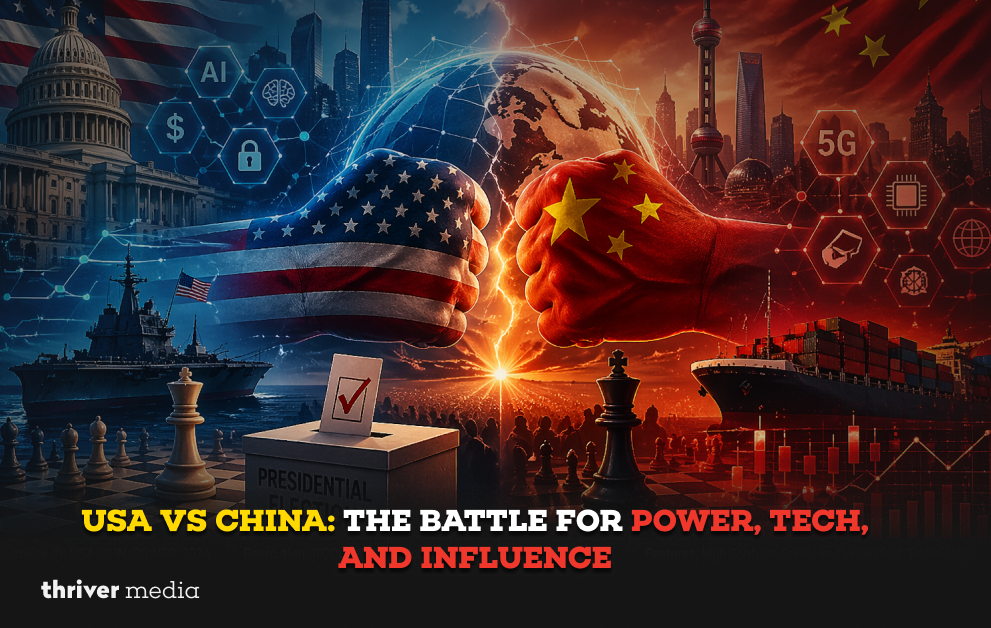
In a twist that surprised economists and political analysts alike, a new global lending study shows that the United States not developing nations now stands as the largest recipient of Chinese loans.
This revelation flips a long-accepted narrative on its head. For years, China’s lending activity was associated with Africa, Southeast Asia, and emerging economies. But the latest data paints a far more complicated picture: China has been quietly extending more financial exposure to the US than any other country.
And the scale isn’t small. It signals shifting economic strategies, deeper financial ties between the world’s two most powerful nations, and a relationship that’s more intertwined and more fragile than most Americans realize.
Breakdown: How the US Became China’s Top Loan Recipient
| Category | US Amount | Why It Matters |
| Total Chinese Loan Exposure | Highest globally | Indicates deep financial interdependence |
| Government Borrowing | Significant share | Shows US reliance during high-rate cycles |
| Bond Purchases & Treasury Holdings | Growing annually | China remains a major foreign holder of US debt |
| Trade-Linked Credit | Expanding | Ties US supply chains even closer to China |
| Private Sector Loans | Rising | US companies tapping Chinese capital |
The numbers reveal one unmistakable trend: China isn’t just lending money to developing nations it’s funding the biggest economy on earth.
Why This Finding Is So Dramatic
1. It challenges the global “debt trap” narrative
China’s largest “borrower” isn’t a small nation it’s the United States.
2. It exposes hidden economic dependencies
Both economies rely on each other more than their public rhetoric suggests.
3. It signals a shift in China’s global strategy
Beijing has diversified beyond infrastructure loans and now invests heavily in US government bonds, corporate debt, and long-term financial instruments.
4. It raises questions about future leverage
If political tensions rise, who holds the stronger financial position?
What This Means for the Average American
The findings don’t just matter in policy rooms they affect everyday life:
Interest rates
China’s involvement in US treasuries helps stabilize borrowing costs.
Inflation & imports
Stronger financial ties mean smoother trade and supply chains.
Housing & mortgages
Global capital flows can shift mortgage rates indirectly.
Economic stability
The US–China financial relationship is now too large to ignore.
Whether this partnership is a stabilizing force or a pressure point depends on how the next few years unfold.
What’s your reaction to the US becoming the largest recipient of Chinese loans?
FAQs: US & Chinese Loans Explained
Not entirely but it does mean China is one of the biggest foreign buyers of US debt, which creates financial interdependence.
No. China has purchased US debt for decades, but the scale now surpasses all other nations.
Indirectly, yes. Large foreign investment in US treasuries can help stabilize borrowing costs.
Experts are divided. Some see mutual stability; others see vulnerability.
Because the US Treasury market is one of the safest and most liquid investments in the world.
Conclusion
The revelation that the US is now the largest recipient of Chinese loans adds a new chapter to one of the world’s most complex economic relationships. It’s not a simple story of dependence or dominance it’s a layered, evolving partnership built on necessity, strategy, and global financial gravity.
Whether this connection becomes a strength or a pressure point will depend on geopolitical decisions, economic policy, and how both nations navigate the years ahead.
But one thing is certain:
the financial bond between the US and China is deeper than most people ever imagined.
Disclaimer: The news and information presented on our platform, Thriver Media, are curated from verified and authentic sources, including major news agencies and official channels.
Want more? Subscribe to Thriver Media and never miss a beat.