
9th January 2026
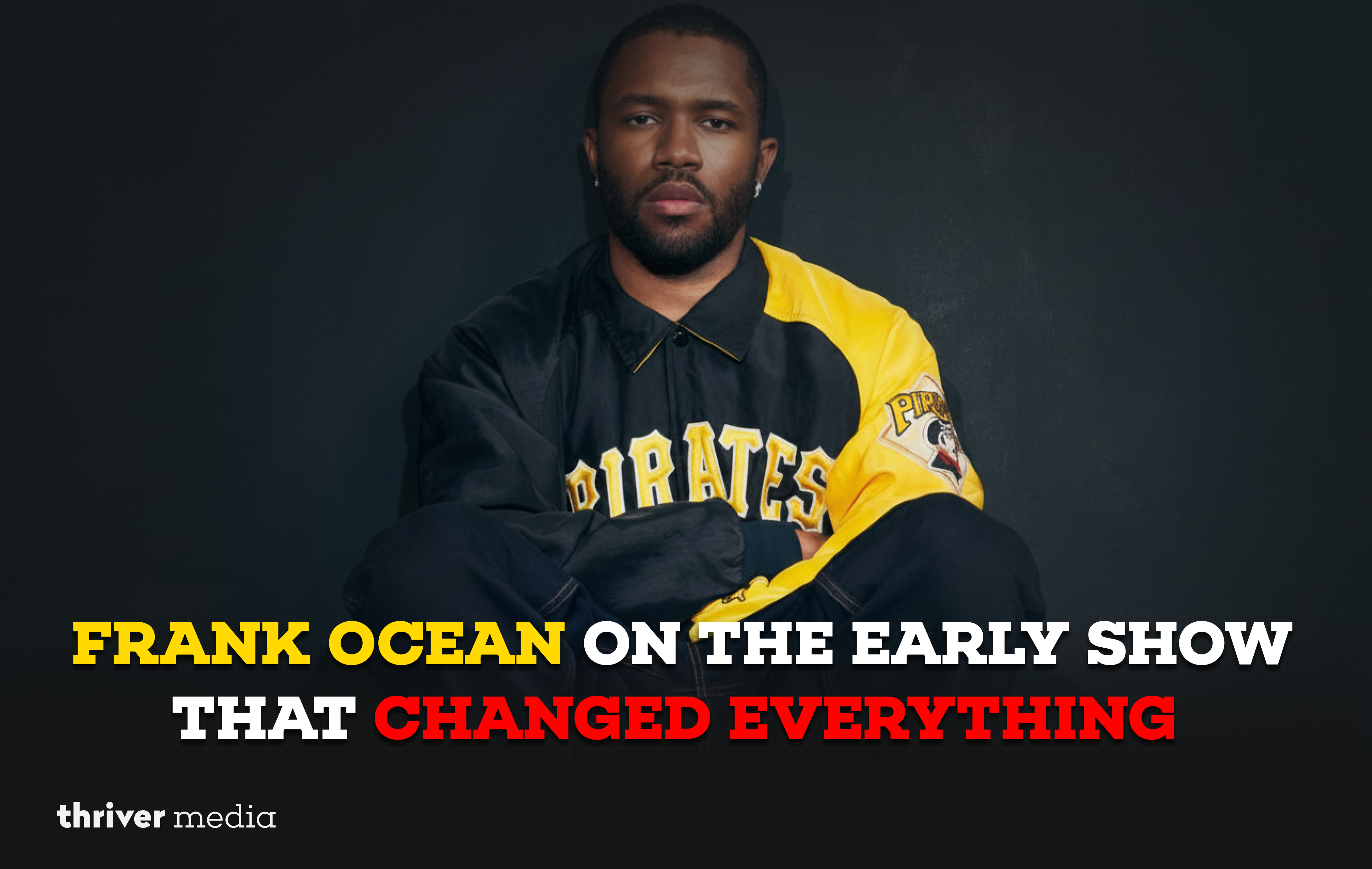
Alright, pull up a chair. This ain’t just another Frank Ocean story. This is about the moment it all shifted. Before the diamond-encrusted masks, before the Louvre lines, before the myth there was a kid in an argyle sweater on late-night TV, looking like he’d rather be anywhere else, and changing the game forever.
We’re talking about Frank Ocean on Late Night with Jimmy Fallon, 2011. This wasn’t a performance; it was a quiet detonation. For the real ones who were there, you felt it in the air. For everyone else, let’s break down why this seven-minute segment is the Rosetta Stone to understanding everything that came after.
The Bottom Line Up Front
Frank Ocean’s first major solo TV performance on Jimmy Fallon in 2011 was a cultural pivot point. He didn’t just sing a song; he presented a fully-formed, emotionally raw, and genre-less aesthetic that instantly rendered the old R&B playbook obsolete. It was the moment the underground blog sensation became a legend you had to reckon with.
Quick Context Table:
| The Essentials | The Breakdown |
| Show | Late Night with Jimmy Fallon |
| Air Date | November 17, 2011 |
| Song Performed | “Novacane” |
| Backing Band | The Roots (at their absolute peak) |
| The Vibe | A surreal, subdued earthquake |
| Official Source | Watch the Full Performance on YouTube |
The Stage: A Clinic in Contrast
Picture it. Jimmy Fallon’s show was all energy, goofy sketches, and high fives. Then Frank walks out. The atmosphere didn’t just change; it congealed.
- The Look: That now-iconic brown argyle sweater over a collared shirt. Hair neatly picked out. He looked like a gifted graduate student about to defend a thesis on heartbreak, not a “pop star.”
- The Sound: No flashy track. Just The Roots Questlove with a delicate, almost nervous beat, Captain Kirk on guitar weaving melancholic threads. They created a live, breathing, jazz-inflected soundscape that felt intimate and vast at once.
- The Performance: Frank stood almost still, holding the mic with both hands, eyes often closed. He wasn’t performing for the TV audience; he was excavating the song in real-time. When he sang “I took you to the dentist…” it wasn’t a flex; it was a haunting confession.
- This was the character introduction: Frank Ocean as the Antithesis of Swag. He was interior, vulnerable, and intellectually cool. He made “performing” look like a sacred, private act.
The Characters & Cast: Why This Alchemy Worked
The magic wasn’t just Frank. It was the collision of specific energies.
- Frank Ocean (The Enigma): Fresh off the release of nostalgia, ULTRA and the seismic Tumblr letter. The industry was whispering, the blogs were exploding, but mainstream America was asking, “Who?” This was his answer. He was in total artistic control, presenting a self that was complex, queer-coded, and unapologetically soft in a hip-hop landscape built on hardness.
- The Roots (The Perfect Accomplice): This wasn’t just any house band. The Roots are scholars of Black music. They didn’t just play the song; they interpreted it. They understood the assignment: frame Frank’s vulnerability, don’t overshadow it. Questlove’s face says it all he’s not just keeping time; he’s bearing witness to history.
- Jimmy Fallon (The Baffled Conduit): Fallon’s role was perfect. His genuine, slightly bewildered enthusiasm (“That was amazing!”) after the performance was a stand-in for the mainstream audience. He was the bridge, acknowledging something special had just happened, even if he couldn’t fully articulate it.
The Deep Cut: What Really Changed That Night
This wasn’t just about a good TV spot.
- Legitimacy Was Bestowed: Late-night TV was (and still is) a stamp of cultural legitimacy. For the kid from the Odd Future wolf gang, this was a coronation into the serious music establishment, but on his terms.
- The “Blogger to Icon” Pipeline Was Forged: He proved the intense online hype could translate, powerfully and palpably, to the traditional stage. He was the first of his digital-native generation to make that leap seamlessly.
- The Blueprint Was Drawn: Watch any sensitive, genre-bending male artist today from Steve Lacy to Daniel Caesarnand you see echoes of this performance’s DNA: the live band intimacy, the lyrical seriousness, the rejection of pop spectacle.
Your FAQs, Answered
As a solo artist, yes. He’d been on TV with Odd Future, but this was the debut of Frank Ocean, the solo visionary.
“Thinkin Bout You” was still bubbling. “Novacane” was the perfect intro: sonically surreal, lyrically brilliant, and about emotional numbness a theme that defined the era. It was a mission statement.
Not in a way that shook Nielsen. Its impact was cultural, not numerical. It’s a “Where were you when you saw it?” moment for a generation.
The whispers became a roar. The Grammy nominations for Channel Orange followed months later. The performance was the proof the industry needed that he wasn’t just a fringe phenomenon.
The Verdict: The Show That Changed Everything
Looking back, Frank Ocean on Fallon was less a TV appearance and more a strategic cultural insertion. It was calm, confident, and completely revolutionary. He didn’t ask for permission to be different; he simply showed up fully formed and forced everyone else to catch up.
It announced that R&B could be cerebral, that pop stars could be reclusive, and that the biggest statement you could make was to be uncompromisingly yourself. Every album delay, every elusive move since then is possible because of the capital he built in those seven minutes. He didn’t just play the game; he quietly rewrote the rules on national television.
So hit play on that video again. Watch the nerves, the stillness, the sheer audacity of it. That’s the moment the future of music clicked into place.
Disclaimer: The news and information presented on our platform, Thriver Media, are curated from verified and authentic sources, including major news agencies and official channels.
Want more? Subscribe to Thriver Media and never miss a beat.