
30th January 2026
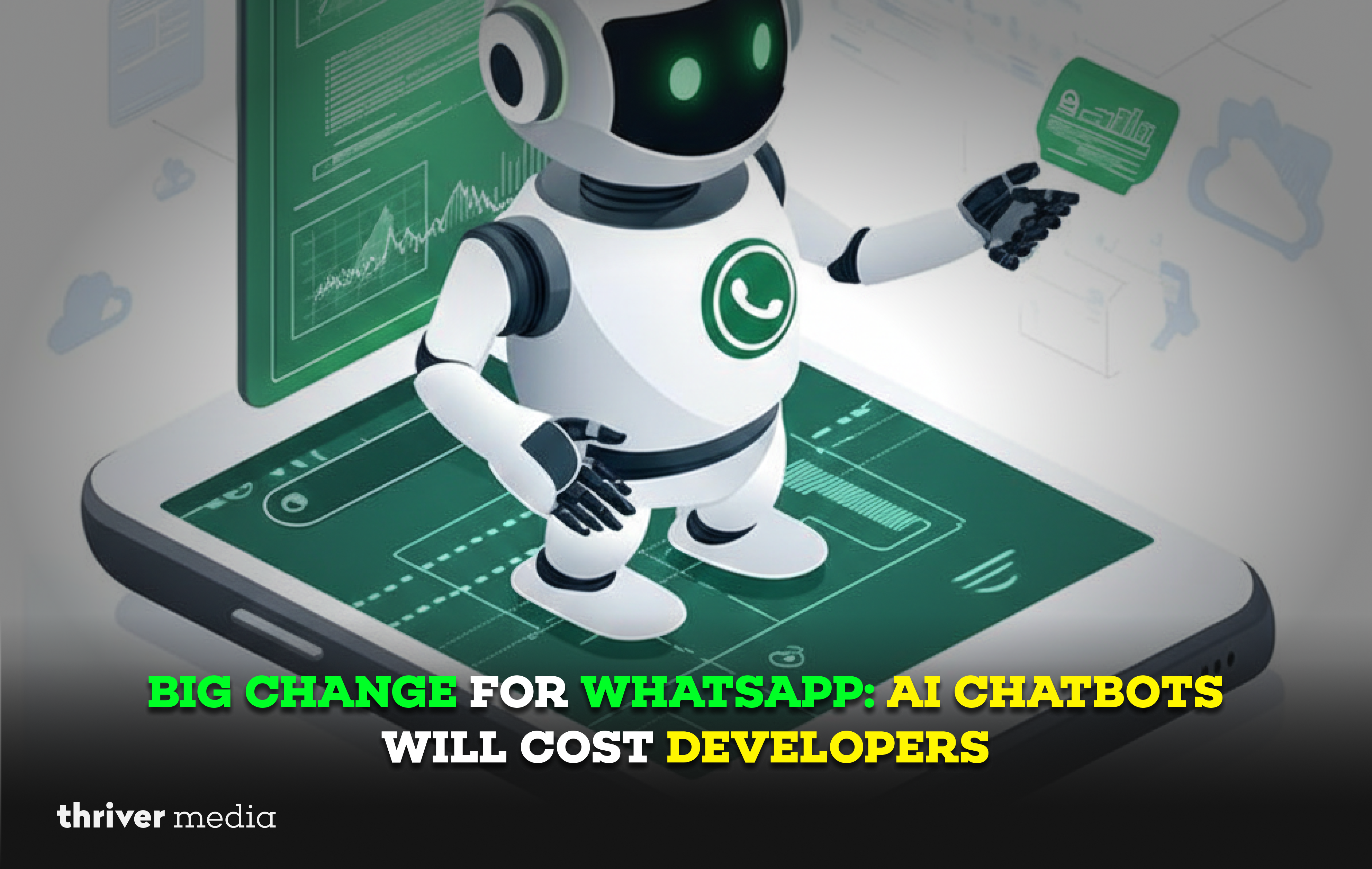
Hold onto your phones, WhatsApp developers! The game has just changed. Meta’s wildly popular messaging platform is rolling out a seismic shift that will directly impact how businesses talk to customers. In a move that’s sending ripples through the tech world, WhatsApp will soon start charging developers for conversations powered by its official AI chatbots. This isn’t just a minor policy update, it’s a fundamental rethink of the platform’s monetization that could reshape the future of automated customer service.
Key Points at a Glance
- Pay-to-Play AI: The free ride for high-volume AI chatbot chats on WhatsApp Business is ending. Meta will introduce conversation-based pricing specifically for interactions initiated by their official AI.
- Business Model Shift: This move clearly aims to monetize the massive, growing use of AI for customer support and marketing on the world’s biggest messaging app.
- Developer Impact: Builders and companies relying on WhatsApp’s AI tools for scalable communication need to factor in new costs, potentially affecting profitability and strategy.
- User Experience Crossroads: Will this lead to more sophisticated, paid-for AI interactions, or will it push businesses back to human agents or other platforms? The quality of automated service is now tied directly to a cost.
The Problem: The Unsustainable Cost of “Free” AI
For years, Meta has invested billions into developing sophisticated AI and the immense global infrastructure that powers WhatsApp. Offering these tools for free to businesses was a fantastic growth hack. It fueled adoption, made WhatsApp Business the go-to platform for everything from order confirmations to customer support, and kept users locked within its ecosystem.
But here’s the catch: Every AI-powered conversation costs Meta real money. Server processing, data storage, and constant AI model improvements are incredibly expensive. As thousands of businesses began automating millions of conversations, the financial burden skyrocketed. The previous flat-rate pricing model for the Business API couldn’t sustainably cover the computational heavy-lifting of advanced AI.
The problem was twofold:
- For Meta: They were providing a premium, costly service (AI chatbot interactions) without a direct revenue stream to match, eating into potential profits.
- For Businesses & Developers: The uncertainty of a future pricing change loomed large. Building a critical customer service channel on a platform that could change its financial rules overnight is a risky bet.
The Solution: A New, Conversation-Based Pricing Model
Meta’s solution is direct and mirrors industry trends (like OpenAI’s API pricing): you pay for what you use.
Instead of just a flat fee for API access, there will now be a specific charge for conversations that are driven by their official AI chatbot. This likely means:
- Traditional, non-AI business messages (like appointment reminders or transactional alerts) may follow existing pricing.
- AI-powered conversational sessions will have a separate fee, likely based on the number of chats or messages.
This creates a clear value exchange:
- Meta gets a sustainable revenue model that directly correlates with the cost of providing the AI service.
- Businesses get predictability. They can calculate costs per conversation and invest in AI where it provides the highest return on investment (ROI).
- Developers get a stable platform. With a clear monetization path, Meta is more likely to continue investing in and improving its AI tools for the long haul.
What This Means for Businesses
Businesses using WhatsApp chatbots will face higher or variable costs depending on AI usage, requiring careful budgeting. They may need to optimize chatbot interactions to balance efficiency, cost, and customer experience.
The Cost Calculation Crunch
For small businesses, even a tiny per-chat fee can add up quickly. The key will be efficiency. Businesses will need to design AI conversations that are effective and concise, resolving queries in fewer steps to control costs. The “set it and forget it” approach to chatbots is over.
Quality Over Quantity
This shift will inevitably push businesses to use AI for high-value, complex interactions where it truly shines like troubleshooting, personalized product recommendations, or detailed FAQs rather than for every single greeting. The focus will move from automating all communication to automating the right communication.
What This Means for Developers
WhatsApp introducing charges for AI chatbots means developers will now need to budget for usage-based fees rather than just message volume. It encourages building efficient, cost-optimized bots while impacting smaller developers who relied on free or predictable pricing.
A Shift in Development Priorities
For developers building on WhatsApp’s platform, this changes the blueprint. The new imperative is creating “cost-efficient conversation flows.”
- Optimization is King: Designing chatbots that accurately understand user intent quickly to avoid long, costly, back-and-forth loops.
- Hybrid Models: Building smarter systems where AI handles initial qualification and seamlessly hands off to a human agent (or a different, cheaper automated system) for complex issues.
- New Value Proposition: Developers who can help their clients navigate this new cost landscape, building leaner, more effective AI agents, will become incredibly valuable.
The Official Word and Future Outlook
This change is part of Meta’s broader strategy to monetize its business platforms. While the exact price points and rollout timeline are still being fine-tuned, the direction is crystal clear. For the most accurate and official information, developers should monitor the WhatsApp Business Blog and the Meta for Developers Announcements.
The Change at a Glance
| Aspect | Before (Likely Scenario) | After (New Model) |
| Pricing Focus | Primarily based on template messages & user-initiated conversations | Additional, specific charges for AI-powered conversational chats |
| Cost for Business | More predictable flat fees or costs based on simple message volume | Variable costs tied directly to AI usage; requires new budgeting |
| Developer Goal | Build functional, engaging chatbots | Build cost-optimized, highly efficient AI conversation flows |
| Meta’s Incentive | Grow platform adoption at any cost | Sustainably fund and improve advanced AI features |
FAQs: Your Questions, Answered
No. This change specifically targets conversations powered by WhatsApp’s official AI chatbot tools. Standard business messaging through the API may follow existing pricing structures.
Not necessarily. You should start using it more strategically. Evaluate which interactions are best handled by cost-effective AI and which require human touch or simpler automation.
Audit your current automated chats. Identify high-volume, low-complexity tasks that AI handles well and ensure those flows are optimized. Start budgeting for per-conversation costs.
Potentially, yes. Since Meta will have a direct revenue stream from this feature, they have a stronger incentive to invest in making their AI more accurate, helpful, and powerful.
The Bottom Line
This isn’t the end of AI on WhatsApp; it’s the start of its mature phase. The era of unlimited, free AI conversations is closing. In its place is a model that demands smarter, more intentional use of technology. Businesses and developers who adapt quickly viewing AI as a precision tool rather than a blunt instrument will thrive. They’ll build better customer experiences that are not only automated but also genuinely valuable and cost-effective.
Conclusion: Adaptation is the New Automation
The big change for WhatsApp’s AI chatbots is a wake-up call for the entire industry. True innovation isn’t just about automating conversations; it’s about crafting meaningful, efficient, and sustainable interactions. This pivot to a paid model will separate the clever from the careless. For businesses willing to analyze, optimize, and integrate AI thoughtfully, WhatsApp remains an unparalleled channel to connect with customers. The cost of entry has just evolved, and with it, the opportunity to build something truly resilient and remarkable.
Stay tuned, stay strategic, and start redesigning those conversation trees.
Disclaimer: The news and information presented on our platform, Thriver Media, are curated from verified and authentic sources, including major news agencies and official channels.
Want more? Subscribe to Thriver Media and never miss a beat.