

3 February 2026
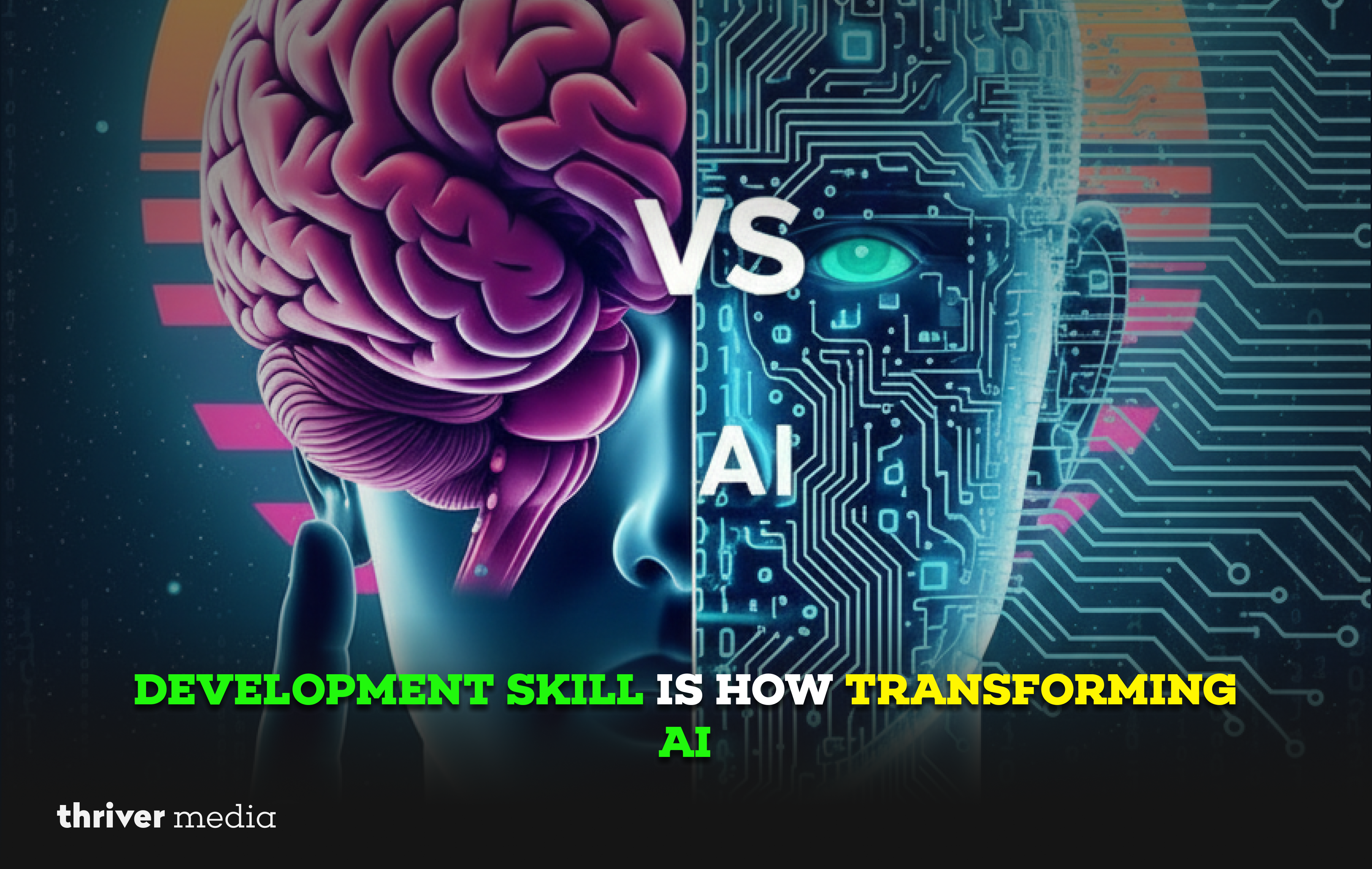
Gone are the days of staring at a blank screen, paralyzed by a cryptic error message. The lonely, frustrating grind of learning to code is being revolutionized. Artificial Intelligence is crashing into the world of programming education, not as a replacement for developers, but as the ultimate personal tutor, co-pilot, and debugger. This isn’t about machines taking over; it’s about them lifting aspiring and seasoned coders to heights they could never reach alone. Welcome to the era of accelerated, accessible, and deeply personalized skill development.
Key Points:
- Your 24/7 Code Mentor: Imagine a tutor who never sleeps, has infinite patience, and can explain a concept 100 different ways.
- From Blank Page to First Draft Instantly: AI kills the intimidation of the empty editor, generating a starter code you can learn from and tweak.
- Debugging with a Super-Powered Magnifying Glass: It doesn’t just find the bug; it explains why it’s a bug and how to fix it in plain English.
- Learning by Doing, at Your Exact Level: It tailors challenges to you, meeting you where you are and pushing you just the right amount.
The Problem: The Traditional Brick Walls of Learning to Code
For decades, learning programming has been hampered by significant, discouraging barriers that have limited who enters the field and how quickly they progress.
The Frustration Cliff: Getting Stuck and Staying Stuck
A learner’s biggest momentum killer is hitting a wall with no clear way over. Before AI, this meant scouring outdated forums, deciphering unhelpful error codes alone, or waiting for a mentor’s reply. This cycle of frustration leads to abandoned tutorials and shattered confidence. The problem isn’t a lack of information, it’s the inability to find the right explanation in the right context at the right time.
The Solution: Context-Aware, Instant Guidance
AI coding assistants act as your always-on pair programmer. You get stuck, you ask in plain English: “Why is this loop returning null?” The AI analyzes your specific code and provides a tailored explanation and a fix. This immediate feedback loop turns frustration into a learning moment, keeping motivation high and progress constant.
The Barrier of the Blank Canvas
Facing an empty IDE (Integrated Development Environment) is terrifying for beginners. “Where do I even start?” This paralysis of initiation stops projects before they begin. Traditional learning often focuses on syntax in isolation, failing to teach the crucial skill of composing code into a working whole.
The Solution: Generative Jumpstarts and Completing Your Thoughts
Tools like GitHub Copilot generate functional code blocks from simple comments. This does the heavy lifting of structure, allowing learners to study, modify, and understand real code instantly. It’s like learning to write by reading great sentences and then filling in the blanks, building compositional skill naturally.
How AI Personalizes the Learning Journey
Adaptive Learning Paths That Read Your Mind
AI-driven platforms (like Coursera or DataCamp with AI features) no longer offer a one-size-fits-all curriculum. They analyze your pace, which concepts you struggle with, and which you ace, then dynamically adjust the material. It’s a curriculum built uniquely for your brain.
From Passive Watching to Active Building
Old Model: Watch a 2-hour lecture, then try a generic exercise.
New AI Model: Get a brief concept explainer, then the AI prompts you to build a specific, small project using it, offering hints as you go. This shifts learning from passive consumption to active creation, the most effective way to cement knowledge.
Context at a Glance: The AI-Powered Learning Shift
| Learning Stage | Traditional Challenge (The Problem) | AI-Powered Solution (The Transformation) | The Result |
| Getting Started | Intimidation and “blank page” paralysis. | AI generates starter code from plain-language prompts. | Immediate momentum and learning through code dissection. |
| The Learning Grind | One-size-fits-all courses and passive lectures. | Personalized learning paths with interactive AI tutors. | Faster, more engaging progress tailored to the individual. |
| Getting Unstuck | Hours spent on forums and cryptic error messages. | Instant, context-aware debugging and explanations. | Reduced frustration, continuous workflow, and deeper understanding. |
| Skill Application | Gap between tutorial knowledge and building real projects. | AI assists in project scaffolding and architecture. | Learners ship real projects sooner, building portfolios and confidence. |
The Critical Shift: From Syntax Memorization to Concept Mastery
AI handles the rote memorization (exact function names, common syntax patterns). This frees up the learner’s mental bandwidth for what truly matters: problem-solving, architecture design, and algorithmic thinking. The focus elevates from “how do I write a loop?” to “what’s the most efficient way to structure this program?” This is the transformation from a coder to a software engineer.
Your Questions Answered
Absolutely not. Think of it like using a calculator to learn advanced math. It handles the tedious arithmetic so you can focus on the complex calculus concepts. AI handles syntax and common patterns so you can focus on higher-level logic and design. The learning is in the interaction, review, and understanding of the AI’s output.
No. It’s replacing the tedious parts of a programmer’s job. It automates boilerplate code and debugging, allowing human developers to invest more time in creative problem-solving, system design, understanding user needs, and tackling complex architectural challenges tasks AI cannot do.
1. Use it as a super-charged search engine: Ask it to explain concepts.
2. Integrate it into your editor: Install an extension like Copilot or Codeium.
3. Treat it like a colleague: Ask it to review your code, suggest improvements, or explain its own suggestions. Don’t just copy; always seek to understand.
The best sources are the official blogs and research papers from the companies building these tools.
Official Source – GitHub Copilot: GitHub Copilot Documentation
The Bottom Line
AI is not replacing the need to learn programming; it is fundamentally redefining what it means to learn. It dismantles the historical barriers of frustration, isolation, and generic instruction. By acting as an always-available mentor, it solves the core problem of timely, contextual help. By generating code, it solves the initiation problem. The outcome is a future where programming skill development is faster, more accessible, more engaging, and focused on the highest-value human skills: creativity and complex problem-solving.
Conclusion
The transformation is here, and it’s profoundly positive. AI in programming education is a rising tide that lifts all boats from career-changers gaining entry to the tech world faster, to senior engineers automating grunt work to focus on innovation. It’s making the craft of coding more human-centric, not less. The goal is no longer just to write code, but to orchestrate intelligence both human and artificial to solve meaningful problems. For anyone sitting on the fence about learning to code, there has never been a more supportive, powerful, and exciting time to begin. The AI co-pilot is seated, waiting for you to take the controls.
Disclaimer: The news and information presented on our platform, Thriver Media, are curated from verified and authentic sources, including major news agencies and official channels.
Want more? Subscribe to Thriver Media and never miss a beat.