
6th February 2026
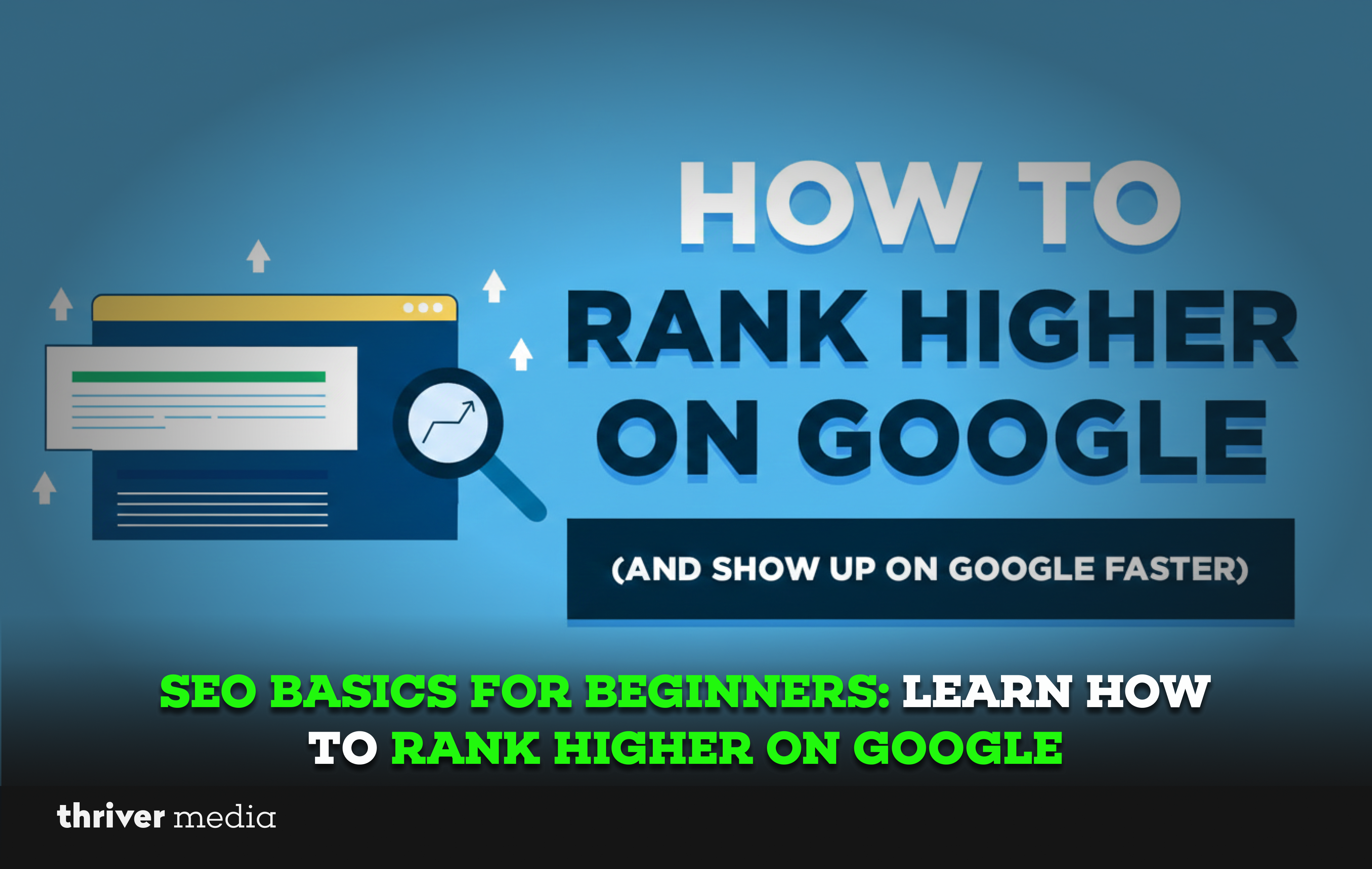
Ever felt like you’re shouting into a void? You built a great website, poured your heart into your blog posts, but your audience is nowhere to be found. The brutal truth is, if you’re not on Google’s first page, you’re virtually invisible. But here’s the good news: ranking higher isn’t a secret magic trick reserved for tech wizards. It’s a learnable skill called Search Engine Optimization (SEO), and it’s your golden ticket out of the digital abyss. Forget the confusing jargon. This is your no-fluff, action-oriented guide to understanding the core game and finally getting the traffic you deserve.
Key Points in Plain English:
- SEO is a Conversation with Google: Your job is to clearly answer your customer’s questions better than anyone else.
- It’s Not “Tricking” Google: It’s about earning your spot by being genuinely helpful and authoritative.
- The Race is Won in the Basics: 90% of the battle is mastering fundamentals that most beginners skip.
The SEO Pillars: Your Foundation for Ranking
Think of SEO as a three-legged stool. If one leg is weak, the whole thing falls over.
| Pillar | What It Is | Beginner’s Mindset |
| Technical SEO | Your website’s health. Can Google find and read your pages easily? | Is my site built for speed and clarity? It’s the foundation of your house. |
| On-Page SEO | The content and signals on each individual page. | Am I clearly answering one specific question per page? |
| Off-Page SEO | Your website’s reputation. Do other trustworthy sites link to you? | Am I creating something so good that others want to share it? |
The Core Problem: Why Your Amazing Content Gets Ignored
You’re creating content, but you’re not seeing results. Let’s diagnose the universal beginner’s hurdle.
The Problem: The “Build It and They Will Come” Fallacy
Most beginners create what they want to talk about, not what their audience is actively searching for. This creates a critical mismatch:
- You’re writing “brochure” content: Talking about your company’s “innovative solutions” instead of answering “how to fix a leaky faucet.“
- You’re targeting ghosts: Using broad, competitive keywords like “marketing tips” that you have zero chance of ranking for.
- You’re ignoring Google’s clues: Every search query is a direct signal of user intent. Ignoring this is like trying to sell snowboards in the desert.
The Solution: Become a Mind Reader (Start with Keyword Research)
The solution is to reverse your entire process. Start with the demand, then create the supply.
- Find the Questions: Use free tools like Google’s own “People also ask” section or AnswerThePublic.com. Type in a broad topic and see the exact questions people are typing.
- Target “Long-Tail Keywords”: These are longer, more specific phrases (e.g., “best running shoes for flat feet women” instead of just “running shoes“). They have lower competition and higher conversion intent.
- Create Cornerstone Content: For your main topic, create one epic, comprehensive guide (a “pillar page“). Then, write shorter blog posts answering specific questions that link back to your main guide. This shows Google you’re an authority on the topic.
Your On-Page SEO Checklist: The Page-Level Game Plan
Once you know the keyword, here’s exactly what to do on your page.
The Title Tag & Meta Description: Your Click-Worthy Billboard
- Title Tag: This is the blue clickable link in Google’s results. Place your main keyword near the front. Keep it under 60 characters. Make it compelling! E.g., “SEO Basics for Beginners: The 2024 Guide to Page 1 Rankings“
- Meta Description: This is the snippet of text below the title. It’s your ad copy. Summarize the page, include the keyword naturally, and use a call to action. E.g., “Stop guessing. Our step-by-step SEO guide for beginners shows you exactly how to rank higher on Google. Start driving free traffic today.“
Content That Holds Attention: The H1, E-E-A-T, and Readability
- H1 Header: Your page’s main headline. Use your primary keyword here. There should only be one H1 per page.
- Structure with Headers (H2, H3): Break your content into scannable sections using subheaders. This helps readers and Google understand your content’s structure.
- Demonstrate E-E-A-T: Google wants content that shows Experience, Expertise, Authoritativeness, and Trustworthiness. Cite sources, show examples, list credentials, and write in a helpful, first-hand tone.
- Optimize Images: Use descriptive file names (seo-basics-guide-diagram.jpg not IMG_1234.jpg) and fill out the “Alt Text” field to describe the image for accessibility and SEO.
Frequently Asked Questions
SEO is a marathon, not a sprint. For a new page, it can take 3-6 months to start ranking, depending on competition. The key is consistency. Publish great content regularly, and the compounding effects will build over time.
Absolutely not. You can achieve massive results using free tools:
2. Google Search Console: Your direct line to Google. It shows you your rankings, what people search for to find you, and technical issues.
1. Google Analytics: Understand your traffic and user behavior.
Google Trends & “People also ask“: For keyword and topic ideas.
Quality over quantity, always. One fantastic, comprehensive article that solves a problem completely will outperform ten shallow posts. Focus on depth and completeness.
Giving up too soon. SEO requires patience and persistence. You won’t see results overnight. The websites dominating page 1 have been at it for years. Start now, be consistent, and you will get there.
The Bottom Line
SEO is not about gaming the system. It’s about systematic clarity. It’s the process of organizing your website’s content so that both users and Google can easily understand who you are, what you do, and why you’re the best answer to a specific question. Master the basics of keyword intent, on-page structure, and technical health, and you will outperform 90% of your competitors.
Conclusion: Your Journey to Page One Starts Here
Forget the overwhelming, technical myth of SEO. It begins with a simple shift: stop talking about yourself and start listening to your customers.
Your roadmap is clear:
- Listen: Use keyword research to find real questions.
- Answer: Create the single best, most helpful page for that question.
- Structure: Format it clearly for users and search engines with proper titles, headers, and links.
- Be Patient: Trust the process, track your progress in Search Console, and keep improving.
The first page of Google isn’t reserved for the big brands. It’s reserved for the best answers. By focusing on the user’s needs with every piece of content you create, you’re not just optimizing for a search engine, you’re building real authority and a sustainable stream of traffic that grows for years to come.
For the definitive, straight-from-the-source guidelines, every SEO beginner should bookmark Google’s Search Central (formerly Webmasters) documentation: Google Search Central Starter Guide
Disclaimer: The news and information presented on our platform, Thriver Media, are curated from verified and authentic sources, including major news agencies and official channels.
Want more? Subscribe to Thriver Media and never miss a beat.