
10th February 2026
Key Points
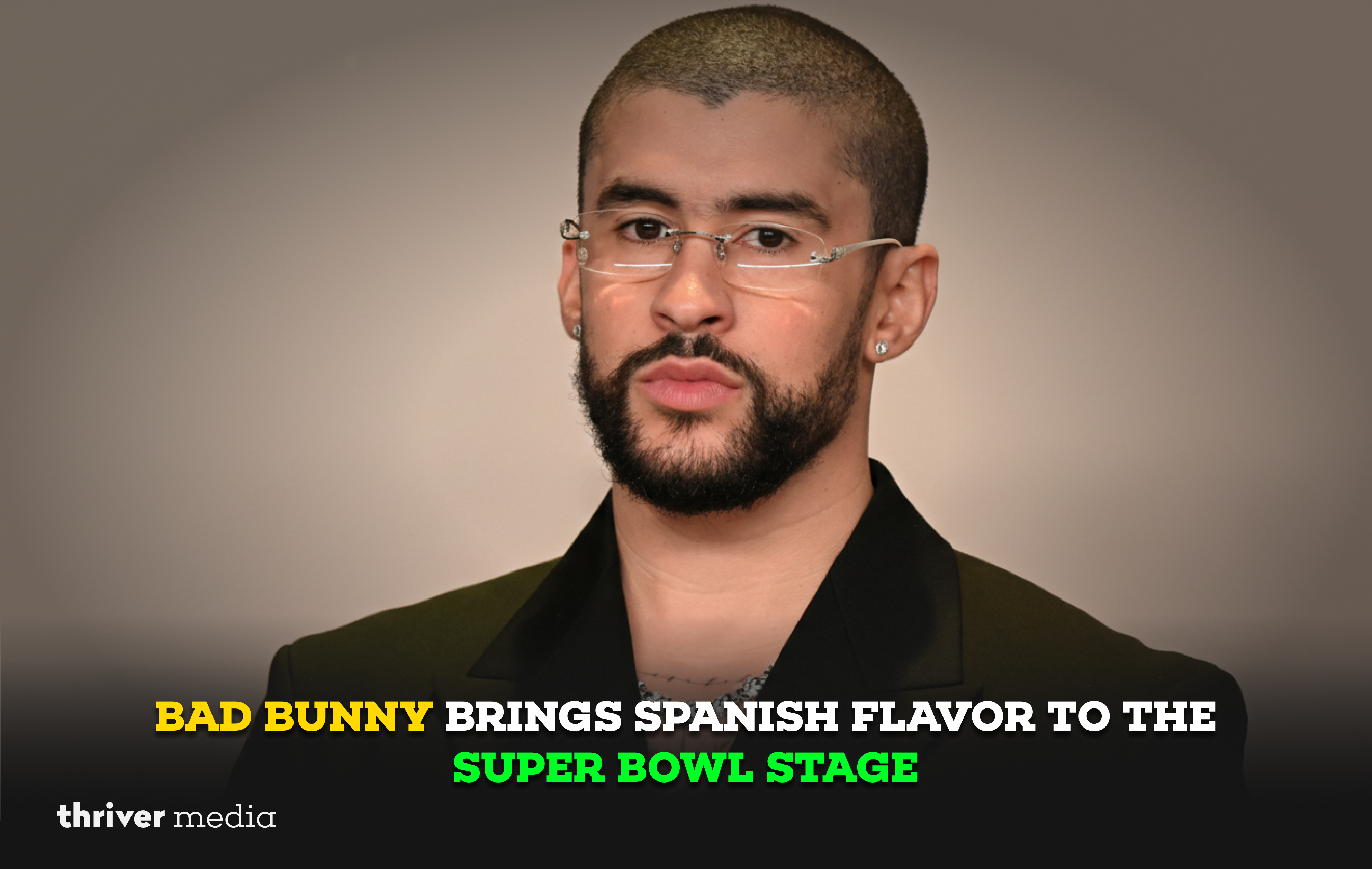
- Bad Bunny made history as the first solo Latin artist to headline the Super Bowl Halftime Show.
- His high-energy set was a vibrant celebration of Latin music and culture, seamlessly blending reggaeton and global hits.
- The performance featured dynamic staging, a surprise appearance by J Balvin, and a clever nod to his “Where She Goes” music video.
- Celebrities and media widely praised the show for its authenticity, energy, and mainstream cultural impact.
- The moment solidified Latin music’s dominant place on the world’s biggest stage, marking a significant pop culture milestone.
Introduction
The roar of the Super Bowl crowd is a familiar sound, but on one iconic night, it was punctuated by a different rhythm: the unmistakable dembow beat of reggaeton. When Bad Bunny stepped onto the sprawling, neon-lit stage as the 2023 Pepsi Super Bowl Halftime Show headliner, it was more than just a performance; it was a cultural event. With a dazzling, high-octane set that felt both intimately authentic and spectacularly grand, Benito Antonio Martínez Ocasio didn’t just play a show he brought an entire Spanish-language flavor to the most-watched stage on the planet, cementing Latin music’s irreversible reign in mainstream pop culture.
Table of Context
| Section | What It Covers |
| A History-Making Halftime | How Bad Bunny’s role as headliner marked a milestone for the Super Bowl and expanded the scope of halftime performances. |
| Standout Moments & Setlist | A breakdown of the night’s biggest highlights, including songs performed, visuals, surprise moments, and stage design. |
| Celebrity & Media Reactions | How celebrities and entertainment outlets reacted to the show, with a neutral, pop-culture-focused lens. |
| Cultural Impact | What the performance signaled for Latin music and its growing presence in mainstream global pop culture. |
| FAQs | Clear answers to common questions about the performance, its significance, and why it mattered. |
A History-Making Halftime
From the moment the announcement was made, it was clear this Super Bowl halftime show would be different. Bad Bunny wasn’t just another pop superstar; he was a genre-defying force who had spent years shattering streaming records and climbing charts primarily with Spanish-language music. As the first solo Latin artist to ever headline the show, the pressure was on. Could a performance rooted in reggaeton and Latin trap captivate a global audience of over 100 million? The answer was a resounding, energetic ¡Sí!
Standout Moments & Visual Spectacle
Bad Bunny’s performance was a masterclass in controlled chaos and vibrant storytelling. He opened not on the main stage, but in the stands, surrounded by fans as he performed “El Apagón,” immediately establishing a communal, party-like atmosphere. He then descended to a massive, neon-lit stage resembling a bustling city block, launching into the global smash “Tití Me Preguntó.”
The Bad Bunny performance was packed with signature moments:
- The Surprise Guest: The energy skyrocketed when Colombian superstar J Balvin joined for a medley of “I Like It” (Cardi B’s Latin trap hit) and his own “Mi Gente,” a unifying moment for the genre.
- The Staging: The set design cleverly incorporated elements from his music videos, including the iconic Puerto Rican vejigante masks and the chrome-helmeted dancers from “Where She Goes.”
- The Musical Journey: The setlist was a strategic blend of his hyper-specific reggaeton hits and his massive, cross-over collaborations, ensuring both his core fans and casual viewers were engaged from start to finish.
Celebrity & Media Reactions
The entertainment world lit up with praise following the show. Celebrities from across the spectrum took to social media to celebrate. Fellow artists like Shakira, Karol G, and Christina Aguilera posted their admiration, while mainstream stars like Justin Timberlake and Reese Witherspoon applauded the show’s energy.
Entertainment media headlines focused on the historical and cultural significance. Outlets like Rolling Stone and Billboard highlighted the groundbreaking nature of the all-Spanish opening segment, while TV critics noted the seamless production and Bad Bunny’s undeniable star power. The overall tone of the celebrity reactions was one of celebration, marking the performance as a successful and long-overdue milestone.
Cultural & Pop-Culture Impact
Beyond the twelve-minute spectacle, Bad Bunny’s halftime show had a lasting impact. It served as a powerful symbol of Latin music’s commercial and cultural arrival. For millions of Latin viewers, it was a moment of proud representation, seeing their language, rhythms, and cultural symbols centered on America’s biggest stage.
In the broader pop culture landscape, it proved that language is no longer a barrier to mega-stardom. The performance wasn’t a “Latin segment” tucked into a larger pop show; it was the show. It normalized Spanish-language music as headline material for the most coveted gig in entertainment, paving the way for future artists and solidifying reggaeton’s position as a defining sound of a generation.
FAQs
Bad Bunny made history as the first solo Latin artist to headline the Super Bowl Halftime Show. His performance, delivered primarily in Spanish, marked a major milestone for Latin music’s recognition and integration into the pinnacle of mainstream American entertainment.
The performance featured a surprise guest appearance by Colombian reggaeton star J Balvin. The two performed a medley of “I Like It” and “Mi Gente,” creating one of the show’s most electrifying moments.
His high-energy medley included hits like “El Apagón,” “Tití Me Preguntó,” “I Like It” (with J Balvin), “Mi Gente” (with J Balvin), and “Where She Goes,” showcasing the range of his catalog.
The reaction was overwhelmingly positive, particularly within the Latin community and the entertainment industry. It was widely celebrated as a long-overdue moment of massive representation and a testament to the global power of Latin music.
Bottom Line
Bad Bunny’s Super Bowl Halftime Show mattered because it successfully transplanted the authentic, high-energy spirit of a Latin stadium tour onto the world’s most scrutinized stage. It was a celebration of music and culture that felt genuine, broke historical barriers, and entertained a global audience on its own terms.
Conclusion
In the long history of Super Bowl spectacles, Bad Bunny’s performance stands out as a turning point. It was more than just a great show; it was a confident declaration that the sounds of reggaeton and the Spanish language are now irrevocable parts of the global pop mainstream. By bringing his unique Puerto Rican flavor to the Super Bowl stage without compromise, Bad Bunny didn’t just perform he made history, leaving an indelible mark on pop culture and opening the door wider for countless artists to come. The night proved that on the biggest stage of all, the right rhythm needs no translation.
Disclaimer: The news and information presented on our platform, Thriver Media, are curated from verified and authentic sources, including major news agencies and official channels.
Want more? Subscribe to Thriver Media and never miss a beat.