
26th February 2026
Accountability Questions Loom as Philanthropist Issues Internal Apology for Meetings with Convicted Financier
Introduction: Bill Gates A Reckoning with Poor Judgment
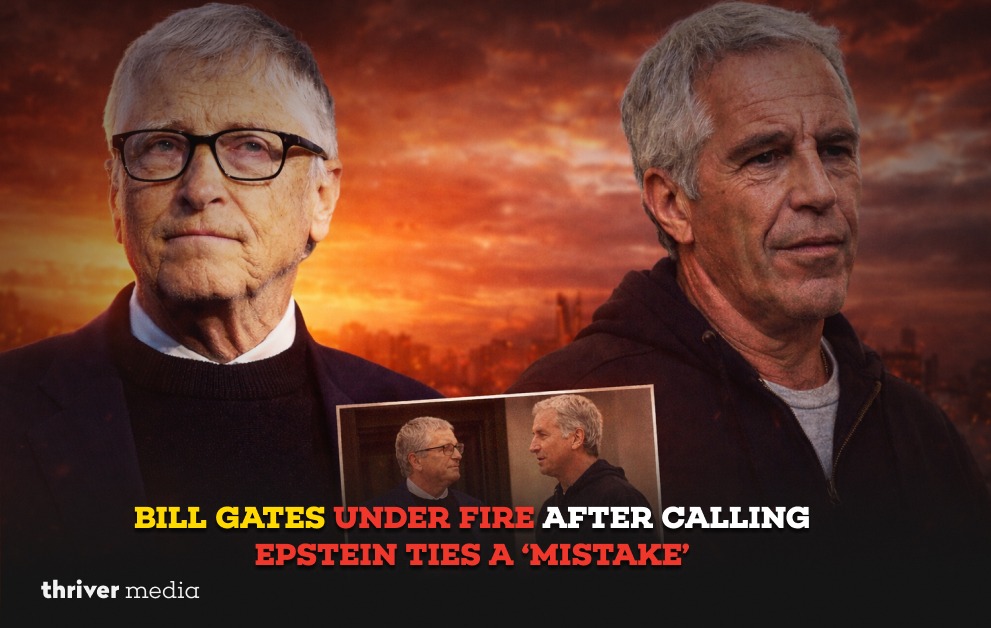
Microsoft co-founder and global philanthropist Bill Gates has described his past association with Jeffrey Epstein as a “huge mistake,” according to people familiar with an internal meeting at his foundation. The remark, delivered to staff, has revived scrutiny of a relationship that had long been publicly known but never directly addressed in such explicit terms.
The acknowledgement has sparked renewed criticism, placing Gates’ judgment and the foundation’s institutional safeguards under the spotlight. For an organisation that distributes billions annually toward global health and development initiatives, even the perception of compromised ethics carries weight.
Epstein’s criminal history continues to cast a long shadow. His convictions and subsequent federal charges reshaped public awareness about institutional accountability and the failures that enabled him for years. Any high-profile association with him, however brief or indirect, inevitably invites serious questions.
For Gates, the controversy goes beyond personal regret. It touches on governance, transparency, and the broader issue of how philanthropic institutions tied closely to a single individual manage reputational risk. Observers argue that foundations built around a single dominant figure face unique vulnerabilities when that figure becomes the centre of controversy.
Whether this apology represents a meaningful step toward accountability or simply a reputational response remains to be seen. What is clear is that the episode has reignited debate about oversight, power concentration, and the ethical responsibilities of influential global actors.
Gates Issues Internal Apology
During a closed-door meeting with foundation staff, Gates directly confronted questions about his past interactions with the disgraced financier, calling the relationship fundamentally misguided. According to attendees and media reports, he described the association as a serious lapse in judgment and expressed regret over maintaining contact despite growing concerns.
The remarks mark one of the clearest acknowledgments yet from the tech billionaire about the extent of his miscalculation. By addressing the issue internally, he signaled an attempt to draw a firmer line under a controversy that has continued to shadow both his reputation and the organization’s public standing.
What Gates Said About Epstein
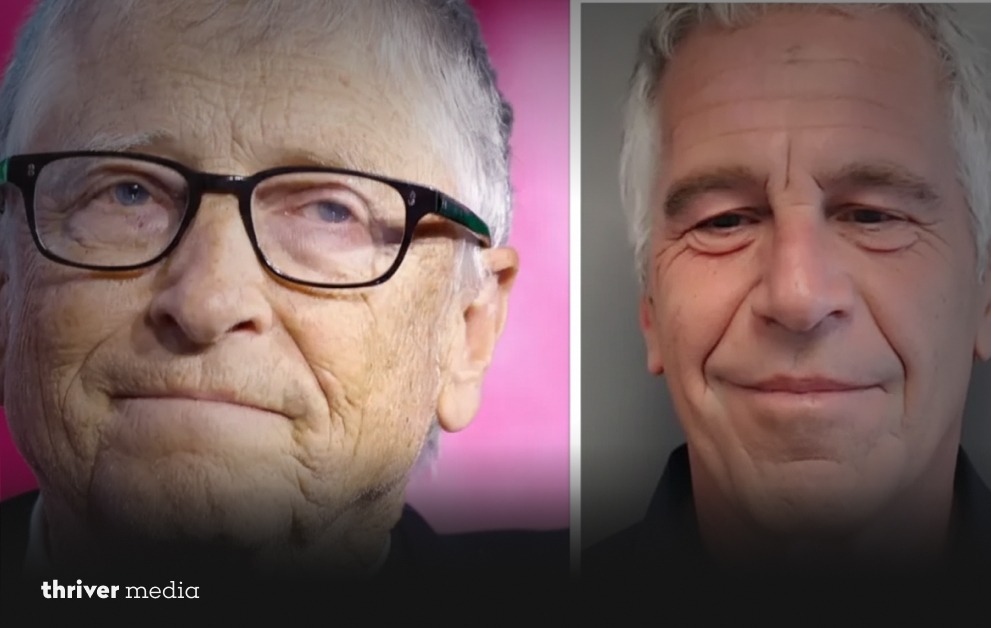
During the internal meeting, the Microsoft co-founder described his decision to meet the disgraced financier as “a huge mistake.” The phrasing signalled acknowledgement of a flawed judgment. However, critics argue it stops short of fully addressing what he understood about the man’s criminal background at the time or why contact continued despite mounting red flags.
In later remarks, he reiterated that his assessment had been poor. He said he did not grasp the full extent of the financier’s past misconduct during their earliest interactions. This claim has drawn scepticism from observers who note that troubling allegations had circulated in influential circles well before the later federal charges.
He also conceded that maintaining contact for several years after concerns surfaced reflected weak decision-making. At the same time, he insisted that the meetings were professional in nature, focused on discussions of global development and funding initiatives rather than on personal or social ties.
Extramarital Relationships Disclosure
The internal meeting also touched on his extramarital relationship, an issue that surfaced publicly during divorce proceedings with Melinda French Gates. Staff members indicated that he reflected on how personal lapses in judgment, including infidelity, contributed to broader concerns about his decision-making during the period when the controversial meetings occurred.
The admission appeared intended to convey accountability and humility to employees. Still, some critics questioned whether drawing a parallel between marital misconduct and engagement with a convicted trafficker blurred the moral distinction between private failings and far more serious legal wrongdoing.
The discussion also renewed scrutiny of the organisation’s governance structure. Observers have noted that concentrated authority in the hands of a single individual can create institutional risk, particularly when personal controversies spill into professional spheres. Several governance analysts argue that stronger structural safeguards and clearer independence mechanisms may be necessary to protect long-term credibility.
Travel and Meetings Timeline
Documented records and multiple news accounts show that the tech billionaire met the financier several times between 2011 and 2014. The encounters occurred in New York, California, and parts of Europe. At least one visit reportedly took place at the Manhattan townhouse, a location that later became central to investigations and public outrage.
He also travelled to Germany and France for gatherings that included the disgraced figure, though the specific objectives of those trips have never been clearly detailed. Representatives have said the discussions centred on philanthropy and global development funding, but few concrete initiatives from those meetings have been publicly identified.
Importantly, he has denied ever visiting the private island in the U.S. Virgin Islands, a site widely associated with the most serious criminal allegations. He also stated that he never stayed overnight at any properties owned by the financier. While those denials attempt to draw a boundary around the relationship, they leave unresolved the broader issue: why contact continued for years despite escalating reputational risks.
Impact on the Gates Foundation
The Gates Foundation is one of the world’s largest philanthropic organisations, with an endowment exceeding $50 billion and annual spending of approximately $6 billion. Its work spans global health, education, poverty reduction, and other domains. The organisation’s credibility depends significantly on the perceived integrity and judgment of its leadership and board.
The Epstein revelations have already begun to affect the foundation’s reputation. Some grantees and partner organisations have expressed concerns about whether the foundation’s judgment in allocating resources can be trusted if its founder engaged in an extended association with a convicted trafficker. Employees have reported internal morale challenges, with some questioning the organisation’s values and others wondering about the nature and extent of institutional oversight.
Additionally, the foundation faces questions about whether it should undertake structural reforms to reduce dependence on Gates’ personal decision-making. Critics have long argued that the foundation’s governance model concentrates power in ways that limit accountability, a concern that has intensified in light of the Epstein revelations.
Melinda French Gates’ Concerns
Melinda French Gates, co-founder of the Bill and Melinda Gates Foundation and now separated from Bill Gates, has previously expressed discomfort with his association with Epstein. Court documents and media reports from the couple’s divorce proceedings revealed that Melinda had raised concerns about the relationship during their marriage.
According to these accounts, Melinda reportedly questioned why Bill continued to meet with Epstein, particularly given increasing public awareness of the financier’s reputation for misconduct. Her concerns appear to have reflected both personal disapproval and worry about institutional reputation. Melinda ultimately established her own philanthropic organisation separate from the Gates Foundation, a move that many observers linked to broader governance disagreements between the two co-founders.
Melinda has not publicly commented extensively on Gates’ recent apology. However, her historical objections to the Epstein relationship lend credibility to critiques suggesting that warning signs were visible to close associates during the period when Gates continued to engage with the financier.
Who Was Jeffrey Epstein?
Jeffrey Epstein was a financier and investment manager who cultivated relationships with wealthy and powerful individuals over several decades. He is most infamously known for his crimes involving the sexual abuse and trafficking of minors, a criminal enterprise that has been characterised as one of the most egregious examples of institutional failure and predatory conduct in recent American history.
In 2008, Epstein was convicted in Florida state court on charges related to solicitation of prostitution from a minor and sentenced to 18 months in jail. The case subsequently became controversial over questions about the propriety of the plea agreement, which allowed Epstein to avoid more serious federal charges. This settlement intensified scrutiny in 2019 when federal authorities reopened the case.
In July 2019, Epstein was arrested on federal charges involving sex trafficking of minors spanning decades. The indictment detailed a systematic pattern of abuse affecting dozens of underage victims. While awaiting trial, Epstein died in custody at the Metropolitan Correctional Centre in New York in August 2019. The circumstances surrounding his death, officially ruled a suicide, have generated ongoing conspiracy speculation, though investigations by law enforcement have not found evidence of foul play.
Epstein’s legacy extends beyond his individual crimes. His case has exposed significant failures across multiple institutions, law enforcement, the financial services industry, social networks, and others that failed to detect or adequately respond to his predatory conduct despite years of opportunity to do so.
Public and Media Reaction
Gates’ apology and the broader Epstein relationship have generated significant media attention and public commentary. Journalism organisations have extensively reported on their association, with coverage ranging from investigative deep dives to critical opinion analysis.
Among the public, reaction has been notably divided. Some observers view Gates’ apology as a necessary acknowledgement of error and evidence of willingness to take responsibility. Others view it as insufficiently thorough, pointing out that the apology lacks a detailed account of the meetings, what was discussed, and why the relationship persisted despite growing awareness of Epstein’s reputation.
Critics of Gates and the foundation have seized on the revelations as evidence of broader governance failures and excessive concentration of power in the hands of a single individual. Philanthropic reform advocates have used the situation to renew calls for structural changes that would increase board independence and accountability.
The reputational impact extends beyond Gates personally. The Gates Foundation’s work in global health, education, and development is viewed with renewed scepticism by some constituencies. Questions about Gates’ judgment have prompted broader inquiries into decision-making processes at the foundation and the criteria for making large philanthropic commitments.
Frequently Asked Questions
When did Bill Gates first meet Jeffrey Epstein?
Gates first met Epstein in the early 2010s, with meetings reported between 2011 and 2014.
Did Gates visit Epstein’s private island?
No, Gates denied ever visiting Epstein’s private island or staying overnight at his properties.
What did Gates say in his apology?
Gates called his association with Epstein “a huge mistake” and admitted poor judgment.
Were the women mentioned in connection with Epstein meeting victims?
Gates’ representatives said the women in photos were staff or associates, not trafficking victims.
How long did Gates’ association with Epstein last?
The association lasted roughly three to four years, from 2011 to 2014.
Bottom Line
Bill Gates has issued an internal apology to Gates Foundation staff for his association with Jeffrey Epstein, characterising the relationship as “a huge mistake.” The acknowledgement represents the first time Gates has formally apologised for maintaining professional meetings with the convicted financier over a multi-year period from 2011 to 2014. Gates maintains that the meetings were strictly professional and that he did not visit Epstein’s private island or stay overnight at Epstein’s properties.
The apology, however, has not fully quieted criticism. Questions persist about Gates’ judgment in continuing the relationship despite growing awareness of Epstein’s reputation, about the decision-making processes that allowed such associations, and about the governance structures at the Gates Foundation that concentrate power with its founder. The reputational damage to Gates personally and to the foundation remains substantial.
Melinda French Gates’ historical opposition to the relationship lends credibility to the notion that concerns were visible to those closest to Gates during the period of engagement. The confluence of the Epstein revelations with broader questions about Gates Foundation governance, philanthropic accountability, and institutional reform has created a moment of significant scrutiny for one of the world’s most influential charitable organisations.
Conclusion: The Long Shadow of Accountability
The Epstein scandal, even in its post-mortem form, continues to cast a long shadow over institutions and individuals. For Bill Gates, the apology represents a necessary acknowledgement of error but perhaps an insufficient response to the breadth of questions his association with the financier raises. Whether framed as a failure of judgment, a failure of governance, or something more systemic, the relationship has undeniably damaged Gates’ personal credibility and raised urgent questions about the decision-making architecture of one of the world’s most powerful philanthropic institutions.
The apology itself, while publicly acknowledging error, has been characterised by some observers as insufficiently detailed and somewhat evasive in critical respects. The timing of the internal disclosure, coupled with the foundation’s broader governance vulnerabilities, suggests that reputational pressure rather than purely moral reckoning may have motivated the statement.
Looking forward, the real test of accountability will be whether the Gates Foundation undertakes meaningful structural reforms to reduce concentrated power and increase institutional independence from its founder. Without such changes, the Epstein association will likely continue to exemplify broader criticisms about philanthropic accountability and the outsized influence wielded by individual billionaires over consequential global initiatives. The long shadow cast by Epstein’s legacy ensures that Gates and the foundation bearing his name will continue to face scrutiny on these matters for years to come.
source link: https://www.bbc.com/news/articles/cnv6rjp468ro
Additional reporting from Reuters, Associated Press, New York Times, and other news organizations has contributed to the broader coverage of this story. This article synthesizes publicly available information and attributed reporting from these sources.
Disclaimer: The news and information presented on our platform, Thriver Media, are curated from verified and authentic sources, including major news agencies and official channels.
Want more? Subscribe to Thriver Media and never miss a beat.