
9th February 2026
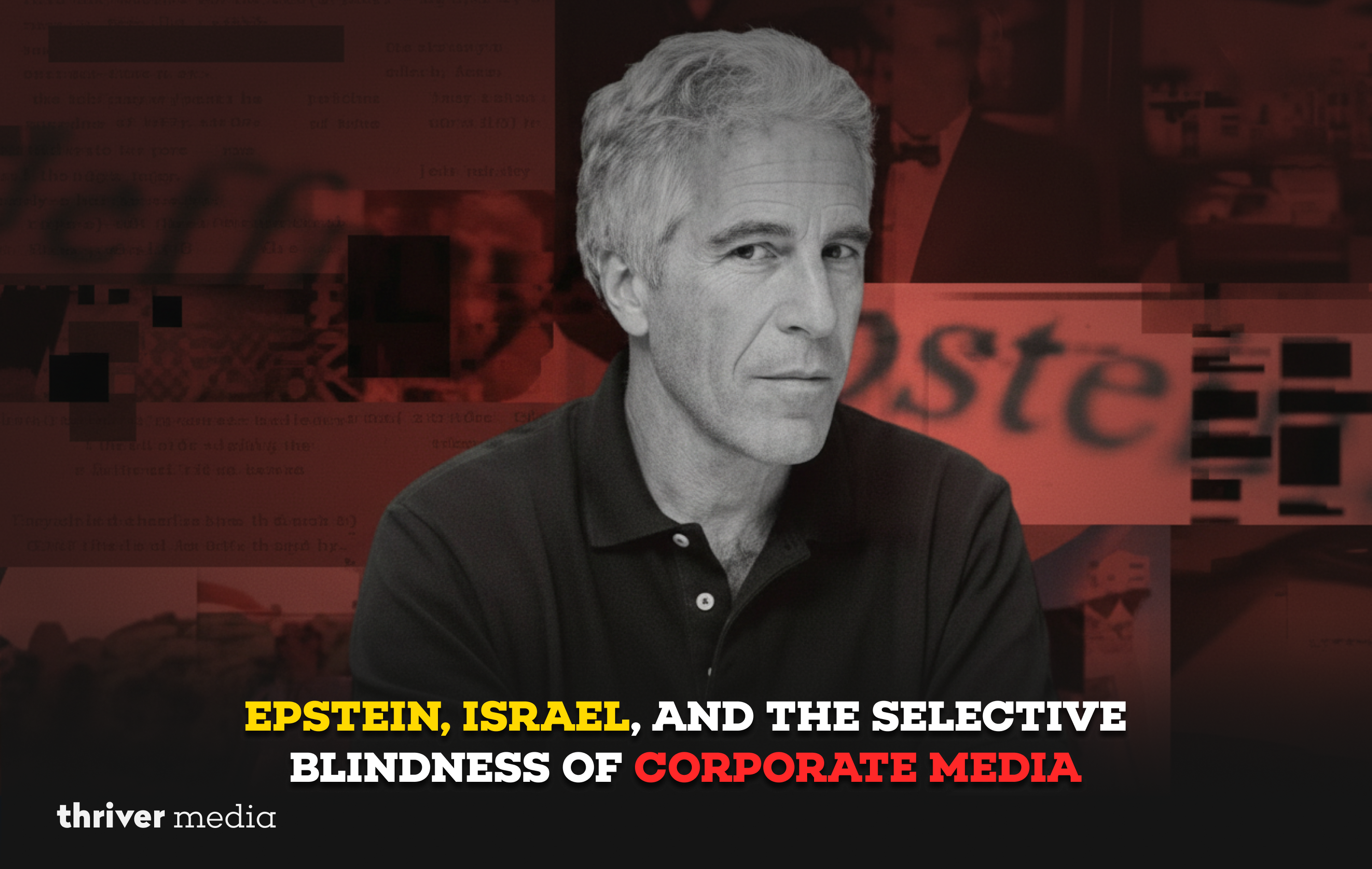
Introduction: What the Epstein story became and what it never was
The public version of the Jeffrey Epstein case settled into a familiar shape: a wealthy predator, grotesque crimes, famous acquaintances, and a legal process that ended before it ever felt complete. That framing wasn’t wrong but it was narrow.
Major media outlets quietly dropped sustained efforts to place Epstein within a broader power ecosystem. The result wasn’t clarity. It was containment.
This article looks at Jeffrey Epstein media coverage through a critical lens focusing on mainstream media silence, selective journalism, and the unanswered questions that never moved beyond the margins.
Media framing vs. documented facts
Most major outlets treated Epstein as an anomaly: a uniquely depraved individual who exploited wealth and status. That approach emphasized personal guilt while downplaying structural enablers.
Here’s the tension:
- Epstein maintained long-term relationships with people in finance, politics, academia, and philanthropy.
- Media outlets described those relationships as embarrassing associations rather than investigative leads.
This is where Epstein case media framing matters. By isolating the criminal narrative, coverage avoided deeper scrutiny into how protection, access, and impunity actually function.
That gap fuels Epstein case unanswered questions not because answers exist, but because journalists never seriously pursued many of them.
The Israel angle: what exists in the public record
Any discussion of Epstein Israel connections requires precision.
Public reporting, court documents, and investigative work have, at different moments, referenced international or intelligence-adjacent contexts involving Israel. Public reporting presents these references as fragmented, incomplete, and often ambiguous.
What matters isn’t that they prove anything definitive. What matters is that they rarely became sustained lines of inquiry in mainstream Western media.
Instead of follow-up reporting, these angles were often:
- Briefly mentioned, then dropped
- Labeled speculative without deeper examination
- Treated as reputationally risky rather than journalistically relevant
That pattern feeds the perception of selective journalism, where editors effectively pre-screen certain geopolitical questions out of serious discussion.
Absence of evidence vs. absence of discussion
One of the most common media shortcuts is conflating these two ideas.
- Absence of evidence means investigation didn’t confirm a claim.
- Absence of discussion means investigation never really happened.
In the Epstein case, many topics fell into the second category. Yet coverage often implied the first.
That distinction matters for investigative journalism failures. Journalism shouldn’t avoid difficult terrain simply because outcomes are uncertain. Its role is to clarify uncertainty.
When journalists fail to do that, audiences mistake silence for resolution.
Why corporate media avoids certain questions
This isn’t about secret coordination. It’s about incentives.
Structural factors behind corporate media bias include:
- Corporate ownership: Large parent companies prioritize risk management over prolonged controversy.
- Advertiser sensitivity: High-profile geopolitical topics can trigger backlash.
- Political alliances: Media ecosystems don’t operate in a vacuum.
- Access journalism: Reporters learn which questions preserve access and which end it.
- Reputational shielding: Editors often err on the side of avoiding labels that could damage credibility.
Add another layer: fear.
Many reporters avoid these topics out of fear of being labeled conspiratorial or accused of antisemitism. These concerns are real but when they shut down good-faith, evidence-aware inquiry, they become tools of silence rather than safeguards of ethics.
That’s how how corporate media shapes narratives without ever issuing a directive.
Context table: what was covered vs. what faded
| Area of Inquiry | Level of Coverage | Typical Framing | Result |
| Epstein’s crimes | Extensive | Criminal, moral outrage | Public awareness, limited closure |
| Wealth and influence | Moderate | Lifestyle, social circles | Treated as gossip-adjacent |
| Institutional protection | Minimal | Vague references | No sustained accountability |
| International links | Sporadic | “Unproven” or ignored | Lines of inquiry abandoned |
| Intelligence-adjacent context | Rare | High-risk topic | Effectively off-limits |
This imbalance is the heart of power and media accountability concerns.
The cost of selective blindness
When journalism draws invisible boundaries around power, several things happen:
- Public trust erodes
- Speculation fills the vacuum
- Accountability weakens at the top
Silence doesn’t prevent misinformation. It incubates it.
The Epstein case is instructive because it shows how mainstream media silence can be structural, not accidental.
What responsible journalism should look like
Responsible reporting doesn’t mean making claims without proof. It means:
- Asking difficult questions without assuming answers
- Distinguishing prejudice from inquiry
- Following documented leads even when they’re uncomfortable
- Being transparent about what is known, unknown, and unexplored
That’s how media bias gets challenged not by outrage, but by rigor.
FAQs
Because multiple documented references were never followed by sustained investigation, creating the impression of avoidance rather than resolution.
There is no publicly confirmed proof. The issue is not certainty it’s whether the topic received serious journalistic examination.
Because legitimate inquiry can be conflated with bad-faith narratives, leading outlets to avoid the subject entirely instead of handling it carefully.
No. It’s about patterns in coverage, editorial decisions, and narrative control.
Clear sourcing, transparent limits, and willingness to pursue uncomfortable questions without sensationalism.
Bottom line
The Epstein story didn’t end with answers. It ended with boundaries.
Those boundaries weren’t set by evidence alone they were shaped by risk, incentives, and editorial caution. That’s why why media ignored Epstein connections remains a live question.
Conclusion: journalism, power, and the price of silence
The Epstein case is less about one man and more about a system that decides which questions are safe.
If journalism’s role is to interrogate power, then power can’t come with exemptions. Geopolitics shouldn’t grant exemptions. Reputation shouldn’t either. Emotion shouldn’t be the line in the sand.
What remains outside the frame often tells you more than what’s inside it.
Disclaimer: The news and information presented on our platform, Thriver Media, are curated from verified and authentic sources, including major news agencies and official channels.
Want more? Subscribe to Thriver Media and never miss a beat.