
10th February 2026
Opening Crime Points
- Scrutiny of Photos in Case Files: Images within criminal disclosures attract public and media attention because they are tangible, seemingly objective records of presence or association. They are often mistaken for direct evidence of wrongdoing.
- Function as Evidence or Reference: A photograph can serve as direct evidence (e.g., showing a crime in progress) or, more commonly, as a reference document establishing only that individuals were in proximity at a point in time. Its probative value depends entirely on the context it is introduced to support.
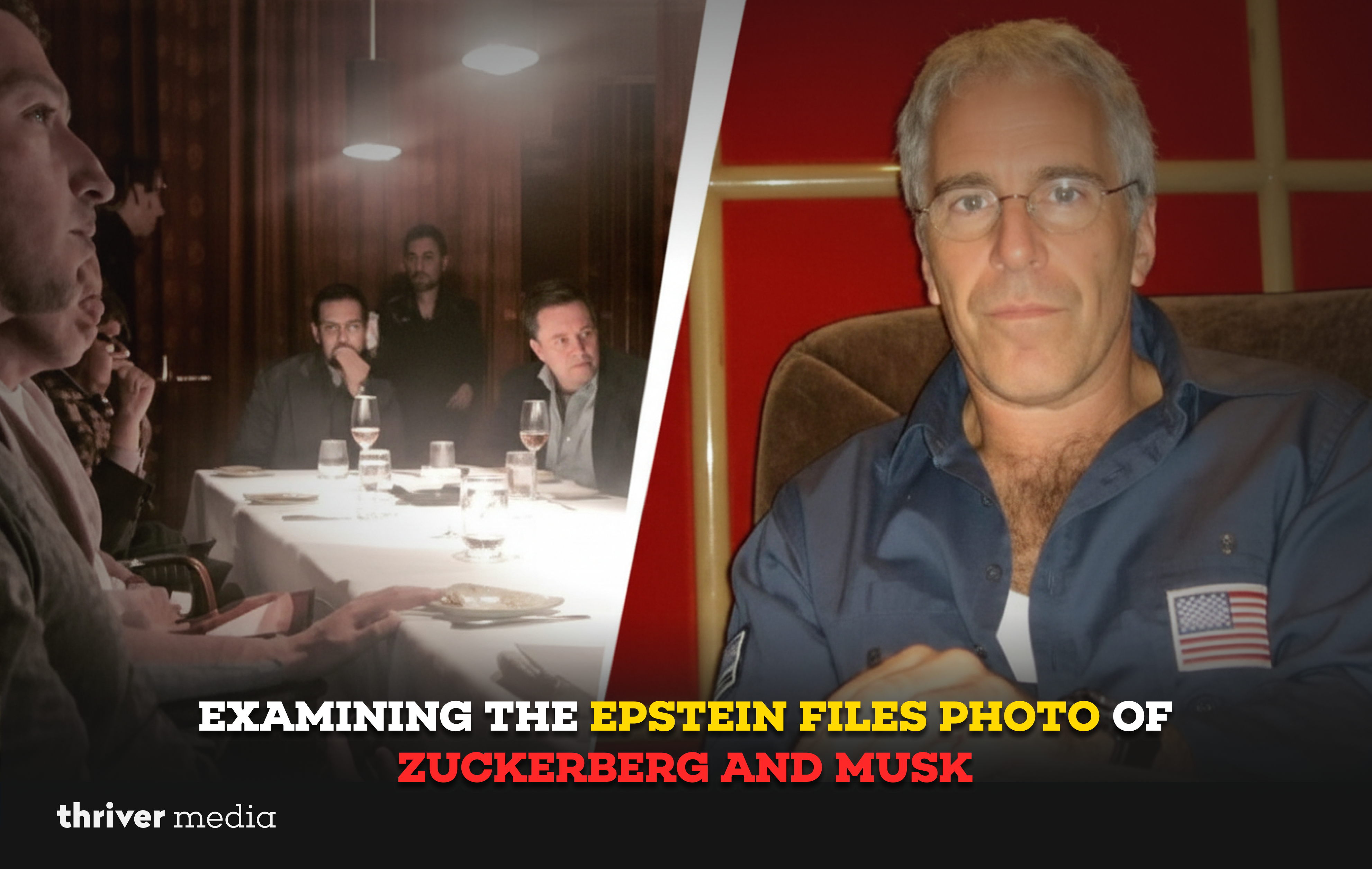
- What This Photo Confirms & Does Not: The image confirms that Mark Zuckerberg and Elon Musk attended the same private dinner at a documented moment. It does not establish the purpose of the event, the nature of conversations, the presence of other individuals outside the frame, or any connection to illegal activity.
- The Critical Absence of Context: In criminal review, a photo devoid of metadata, timestamps, location verification, and surrounding documentation has limited investigative utility. It cannot, alone, support allegations of criminal conduct.
Case Background: The Epstein Files
The “Epstein files” refer to a collection of documents entered into the court record through various civil and criminal proceedings related to the late financier and convicted sex offender Jeffrey Epstein. These include flight logs, email archives, deposition exhibits, and disclosure materials. Many individuals appear in these documents due to social, professional, or incidental contact, without any implication of criminal behavior. Legal analysis strictly differentiates between association (documented presence or contact) and evidence (material that tends to prove or disprove a fact relevant to a crime).
The Photo as Evidence
Applying crime-analysis logic to the image:
- Visibility: The frame shows Mark Zuckerberg and Elon Musk seated at a dinner table. Other attendees may be partially visible or outside the shot.
- Missing Elements: There is no visible timestamp, geotag, or certified location data. The host and stated purpose of the event are not documented within the image itself.
- Visible Conduct: No apparent criminal activity is depicted. The subjects are engaged in a social dinner setting.
- Link to Epstein Properties/Activity: The photo, as presented in public reporting, lacks accompanying documentation (e.g., flight logs, invoices, correspondence) placing it at an Epstein-owned property or linking its occurrence to Epstein’s criminal enterprises.
Chain of Custody & Documentation
Photos enter legal files as exhibits, attachments to depositions, or part of discovery materials. Their inclusion signifies they are part of the case’s universe of documents, but inclusion does not confer evidentiary weight. Investigators and courts categorize materials as:
- Exhibits: Formally admitted to prove a specific fact at trial.
- References: Background or contextual materials.
- Background Material: Items with no direct relevance to charges, but part of the investigative record.
This photo has not been presented as a trial exhibit in any criminal proceeding related to Epstein’s crimes.
Timeline Assessment
Analysts can infer the photo’s likely era by comparing the individuals’ public appearances and apparent ages. That estimate, however, does not equal a verified timestamp. In criminal analysis, investigators cross-reference such events with documented movements of key figures. To date, no public records such as schedules, travel logs, or witness testimony place Jeffrey Epstein at this dinner. Investigators rely on timeline construction to test opportunity and assess any potential association.
Evidence vs. Inference Table
| Element | Evidentiary Value |
| Photo existence | Confirmed The image appears in officially disclosed files. |
| Individuals identified | Confirmed Mark Zuckerberg and Elon Musk are visually identifiable. |
| Event purpose | Unverified No official record explains the reason for the gathering. |
| Epstein involvement | Unsubstantiated No verified documentation links Epstein to the event. |
| Criminal relevance | Not established the image alone shows no connection to alleged crimes. |
FAQs (Crime-Focused)
No. Inclusion in the document trove indicates a name or image appeared within the investigative scope. Criminal relevance requires corroborating evidence and a direct link to unlawful acts.
No. Images are circumstantial without context. They require supporting documentation timelines, testimony, communications to have probative value in alleging criminal conduct.
There are no verified criminal allegations, charges, or findings of fact from law enforcement or courts linking either individual to Epstein’s criminal activities.
Because public misunderstanding of how evidence works fuels misinformation. A disciplined analysis demonstrates what documents can and cannot prove.
Bottom Line
The photo appears as a documented item within a broader set of case-related materials, but it does not prove criminal conduct. Investigators have not established any evidentiary link connecting this dinner to Jeffrey Epstein or to his crimes. Responsible crime analysis avoids implication when probative evidence is absent.
Conclusion
Legal and investigative disciplines maintain clear distinctions between presence (documented at an event), association (documented contact with an individual), and evidence (material that supports a specific criminal allegation). Crime reporting and public analysis must apply these standards, focusing on verifiable facts rather than suspicion. Incomplete materials, viewed in isolation, distort public understanding of both the judicial process and the nature of evidence.
Disclaimer: The news and information presented on our platform, Thriver Media, are curated from verified and authentic sources, including major news agencies and official channels.
Want more? Subscribe to Thriver Media and never miss a beat.