
8th December 2025
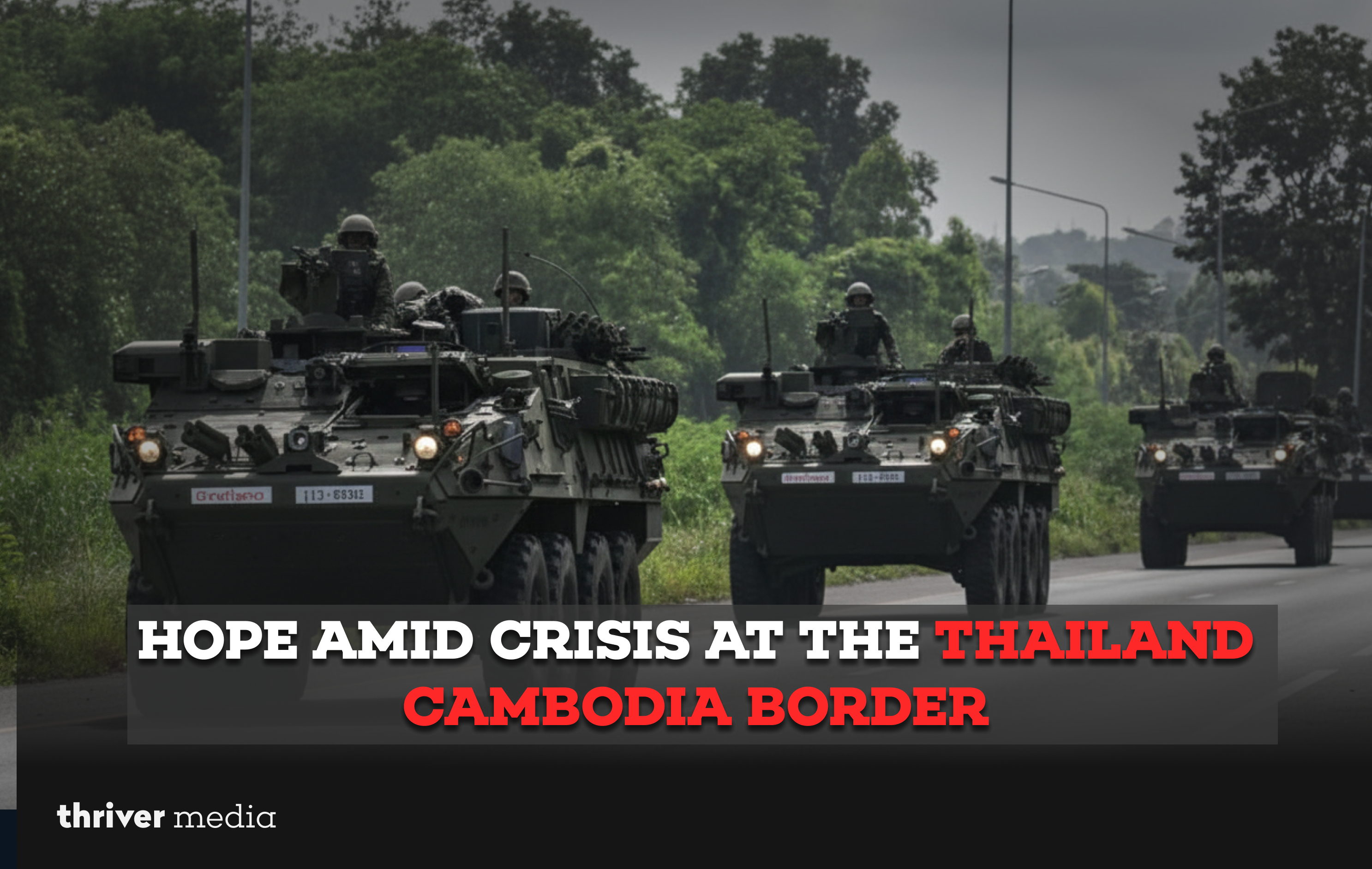
If you only read the headlines, the story at the Thailand-Cambodia border is one of unrelenting crisis. You’ll see words like “clashes,” “displacement,” and “landmines.” And for years, that’s been the painful reality for communities living in the shadow of the ancient Preah Vihear temple and other disputed areas a life suspended in a grey zone of geopolitics.
But travel there today, talk to the people, and you’ll find a different, quieter story unfolding alongside the hardship. It’s a story not of governments, but of grassroots grit. It’s about a tenacious hope that’s putting down roots in the most difficult soil imaginable.
The Scars Are Real, But So Is the Resilience
Let’s be clear: the challenges are staggering. Decades of conflict have left the earth littered with unexploded ordnance (UXO), making farming a deadly gamble. Periods of military tension have forced families to flee their homes multiple times, disrupting education and shattering livelihoods. For many, legal status is unclear, locking them out of formal healthcare, education, and the right to move freely.
Yet, in this landscape, local NGOs and community leaders are building something remarkable. They’re not waiting for a grand political solution that may never come. They’re building it themselves, day by day.
- From Ground Zero to Green Gardens: In areas painstakingly cleared of mines by organizations like Cambodia Self Help Demining, families are no longer just surviving they’re farming. They’re turning safe land into cooperative vegetable plots and fish ponds, creating their own food security and micro-economies.
- Displacement has interrupted schooling for many children, but communities are responding with hope. Volunteers from within the area are setting up makeshift schools under trees and in temporary shelters. These teachers lead daily lessons to ensure children continue learning and do not fall into illiteracy. Through these efforts, communities are protecting the future of an entire generation despite ongoing hardship. They are acts of profound defiance.
- Women Weaving Webs of Support: Women’s collectives are forming, turning traditional crafts like weaving into sustainable income. More importantly, these groups have become critical support networks for trauma, health education, and community decision-making.
A Tenuous Bridge Between Nations
The real spark of hope is the slow, quiet work of cross-border cooperation. Thai and Cambodian civil society groups doctors, trauma counsellors, disaster responders now share information and strategies. They understand the border may divide territory, but the humanitarian needs are the same on both sides.
This isn’t about politics. It’s about a Thai medic sharing best practices for treating landmine injuries with a Cambodian nurse. It’s about communities on both sides documenting ceasefire violations together to advocate for their collective safety. They are building a people’s bridge, plank by plank.
FAQs: Understanding the Border Reality
The current tensions stem from long-standing border disputes, military movements, and recent clashes that have escalated into air strikes and ground fighting. These events forced civilians to flee for safety.
Homes near the border have become unsafe due to bombings, gunfire, and security crackdowns. Families are leaving to protect children, elders, and vulnerable relatives from danger.
Most civilians are moving to temporary shelters, nearby provinces, or border camps where humanitarian groups are providing food, water, and medical aid.
Aid organizations are sending emergency supplies, while diplomatic efforts are ongoing to reduce violence and prevent further escalation.
The Bottom Line
The story of the Thailand-Cambodia border is being rewritten. It is no longer just a textbook case of a protracted border dispute. It is becoming a powerful lesson in community-led resilience.
The hope here isn’t naive. It’s hard-won. It’s calloused hands clearing a field, a teacher with a chalkboard under a tarp, and mothers building a savings fund one handwoven scarf at a time. Their progress underscores a universal truth: even in the world’s most forgotten corners, humanity’s instinct to rebuild, to nurture, and to connect outlives conflict.
Their fight is for a future where the border is defined not by fences and fear, but by shared markets, thriving schools, and clean, safe land for their children to play on. They are, against all odds, planting the seeds for that future themselves.
What does “resilience” mean to you when the odds seem insurmountable? Does this story change your perspective on a long-standing crisis? Share your thoughts in the comments.
Disclaimer: The news and information presented on our platform, Thriver Media, are curated from verified and authentic sources, including major news agencies and official channels.
Want more? Subscribe to Thriver Media and never miss a beat.