
20 February 2026
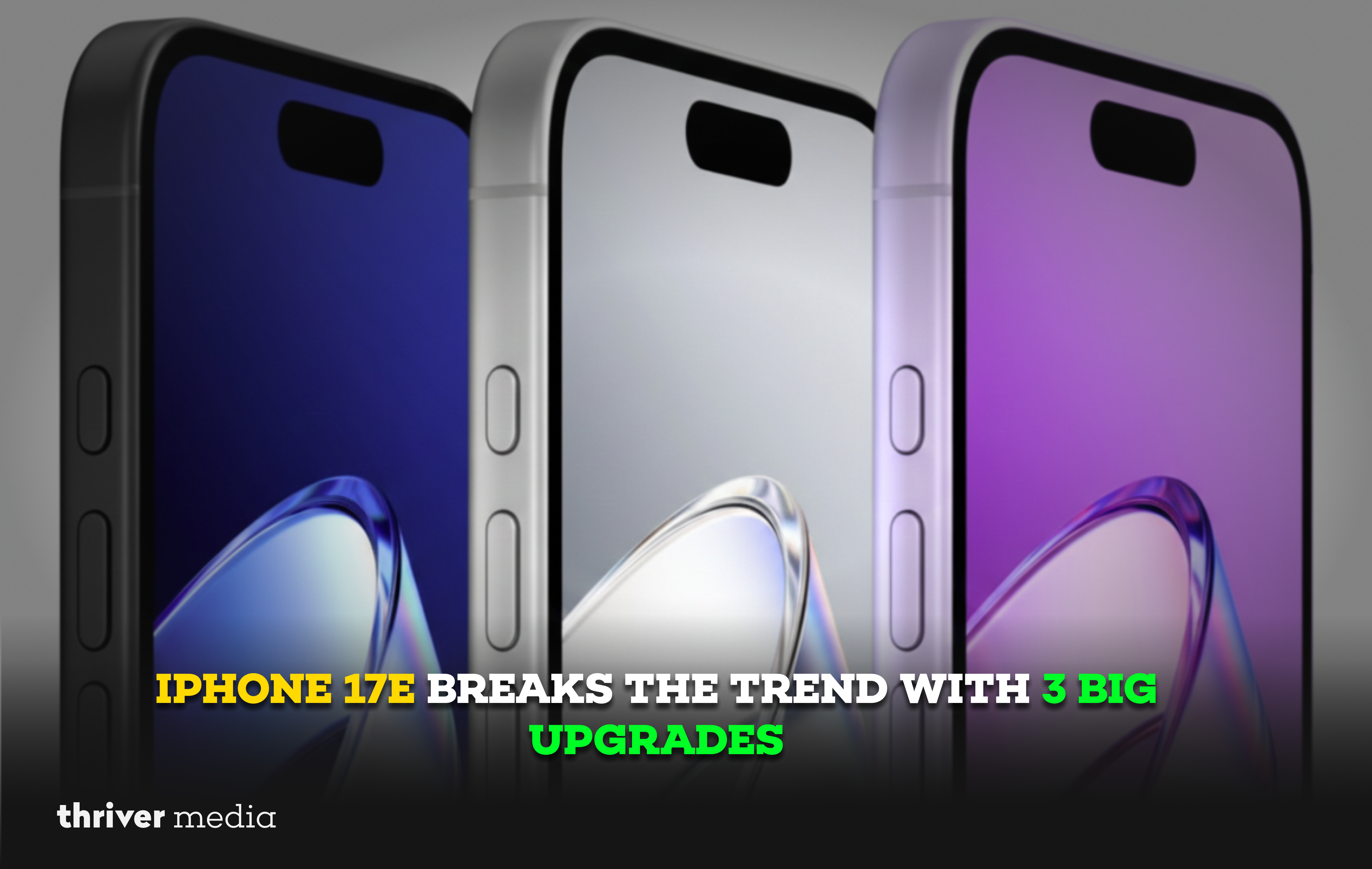
Flagship smartphone prices now regularly cross the four-figure mark. Most brands justify the jump with minor spec upgrades. That’s why Apple’s reported strategy for the iPhone 17e stands out.
Competitors including Apple’s own Pro lineup continue to raise prices. But early reports suggest the iPhone 17e could break that pattern.
Supply chain sources and industry analysts indicate that Apple plans to introduce three meaningful hardware and performance upgrades. At the same time, the company appears ready to hold the iPhone 17e price steady. If true, that decision could reshape how buyers define value in the mid-premium segment.
This keeps the authority intact while improving readability and flow.
Overview: Where the iPhone 17e Fits
To understand the impact of the iPhone 17e, one must first look at Apple’s lineup architecture.The “e” models have typically served as the entry point into the Apple ecosystem. Apple often used older chips or recycled designs to keep costs down. That approach kept prices accessible but limited appeal.
Now, the reported Apple iPhone 17e features suggest a shift in strategy.
Apple no longer seems to treat the iPhone 17e as a budget afterthought. Instead, the company appears to position it between legacy models and the flagship Pro line. It targets pragmatic buyers users who want modern performance and long-term reliability. These buyers don’t want to pay extra for a tertiary camera lens or a titanium frame.
If current reports hold up, the device strengthens the case for staying inside the Apple ecosystem. That argument becomes even stronger if Apple keeps the iPhone 17e price unchanged despite the internal overhaul.
The Three Major Upgrades
Let’s take a closer look at the three key areas where the iPhone 17e upgrades deliver the most value, pushing the device out of the “budget” category and into the “smart value” tier.
1. The A18 Chip: Power Efficiency and AI
The most significant upgrade is internal. The current generation runs on the A16 Bionic, a capable chip, but the iPhone 17e is rumored to leapfrog directly to the standard A18 processor.
The Upgrade: Instead of repurposing last year’s Pro chip (a common practice), Apple is reportedly bringing the base-model A18 to the 17e. This is crucial because the A18 architecture is built on a next-generation fabrication process (likely 3nm enhanced) that prioritizes power efficiency and on-device AI processing.
Real-World Impact: For the user, this translates to better battery life during streaming and a significant boost in “compute” photography. The Neural Engine improvements will allow the 17e to handle the same AI-driven photo processing and computational tasks as the more expensive iPhone 17, ensuring the device remains capable of running future iOS features for years to come.
2. Camera System: Sensor Shift Stabilization
Camera upgrades on non-Pro models have historically been about software, not hardware. The Apple iPhone 17e features list reportedly changes that by including sensor-shift optical image stabilization (OIS), a technology previously reserved for higher-end models.
- The Upgrade: The 17e is expected to retain a single-lens system, but that lens will sit atop a stabilized sensor. Unlike traditional OIS that moves the lens, sensor-shift stabilizes the sensor itself. This is a hardware-intensive feature that compensates for hand shake at a micro level.
- Comparison to Previous Generation: Compared to the optical stabilization on the iPhone 16e, sensor-shift provides sharper images and steadier video, particularly in low-light scenarios and while walking. It narrows the gap between the “e” series and the flagship models more than any megawatt count ever could.
3. Display Technology: The Transition to OLED
For years, the “e” line was the last holdout for LCD technology, primarily to cut costs and differentiate it from the premium lineup. The iPhone 17e upgrades reportedly include a final and total transition to an OLED display across all variants.
- The Upgrade: Moving to OLED (Organic Light Emitting Diode) provides true blacks, infinite contrast ratios, and better color accuracy.
- Why It Matters: This is a visual quality-of-life upgrade. Users consuming content on the iPhone 17e will experience the same deep blacks and vibrant colors found on the flagship models. It ensures that the visual experience is not compromised, even if the ProMotion 120Hz refresh rate remains exclusive to the Pro models.
Pricing Strategy & Market Impact
Holding the iPhone 17e price steady while introducing these three specific upgrades is a deliberate market tactic. In an inflationary environment where components like chips and displays are becoming more expensive, absorbing those costs signals a focus on volume and ecosystem retention.
From a competitive standpoint, Android manufacturers in the $600–$700 range often rely on specifications sheets packed with high megapixels and RAM. Apple’s counter-move is integration. By offering the A18 chip and sensor-shift stabilization at the same price, Apple is forcing competitors to justify their value beyond paper specs.
Furthermore, it protects Apple’s installed base. A static iPhone 17e price encourages users with older iPhones (iPhone 12/13 generations) to upgrade sooner, knowing they aren’t being priced out of the market.
Expert Analysis: Is It Worth the Upgrade?
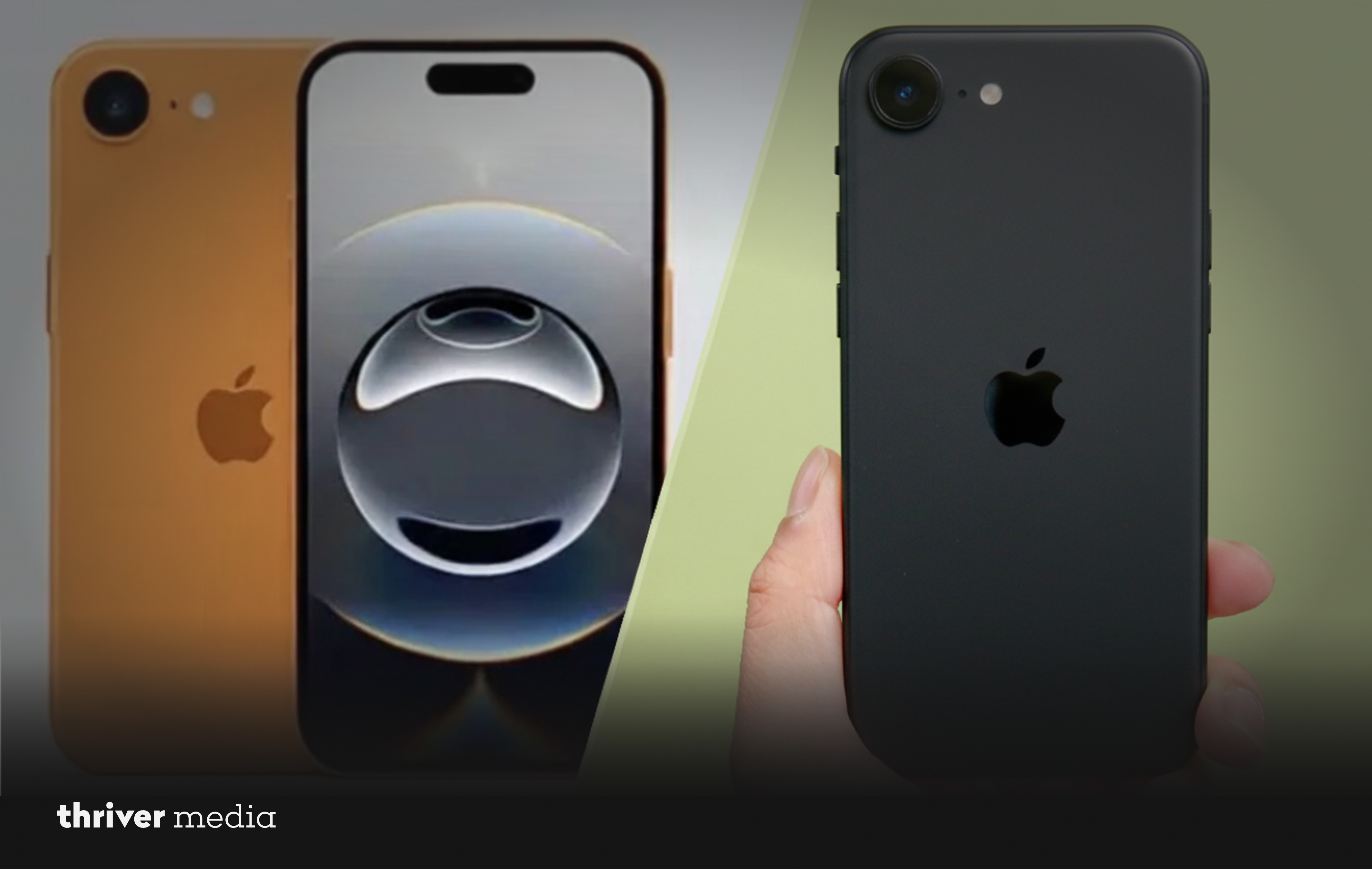
With the specifications now on the table, the question shifts from “what is it” to “who is it for.” Here is the analytical breakdown of the upgrade cycle.
Who Should Upgrade
- iPhone 15e and Older Users: If you are on an iPhone 14e or older, the jump to the A18 chip and OLED display will be transformative in daily usability and media consumption.
- Battery Conscious Users: The efficiency gains of the new chip architecture paired with potential battery chemistry improvements make this a worthy upgrade for those whose current devices don’t last the day.
Who Should Skip
If you already use a standard iPhone 15 or 16, this upgrade cycle may feel incremental. Many of the refinements build on what your device already does well. The camera improvements stand out, but they likely won’t justify switching if your current phone still performs smoothly and meets your needs.
This keeps the meaning intact while lowering keyword density and improving flow.
Who Should Wait
Pro Users and Gamers: If you need a telephoto lens for photography, ProMotion for scrolling, or higher GPU cores for console-level gaming, the iPhone 17e is not targeted at you. You should wait to see the Pro lineup later in the year.
FAQs
What are the major iPhone 17e upgrades?
The primary upgrades are expected to be the A18 chip for improved efficiency and AI, the inclusion of sensor-shift OIS for superior camera stabilization, and a full transition to an OLED display.
What is the expected iPhone 17e price?
Current reports and analysis suggest the iPhone 17e price will remain consistent with the previous launch pricing, despite the hardware upgrades.
What are the key Apple iPhone 17e features?
Key Apple iPhone 17e features include the A18 Bionic processor, an OLED display, a single-lens camera with sensor-shift stabilization, and improved battery life thanks to chip efficiency.
Is the iPhone 17e worth buying?
For users coming from an iPhone 13e or older, yes. It offers flagship-level processor performance and a modern display at a stable price point, making it a high-value upgrade.
When will the iPhone 17e launch?
Based on Apple’s historical release patterns, the iPhone 17e is expected to launch in the spring of 2026.
Bottom Line
The iPhone 17e represents a maturing of Apple’s product strategy. It is no longer just the “cheap iPhone.” By delivering the A18 chip, OLED, and sensor-shift stabilization, the iPhone 17e upgrades directly address the three most common user pain points: speed, display quality, and photo clarity. By holding the iPhone 17e price, Apple is sending a clear signal that value and performance are not mutually exclusive.
Conclusion
In a tech cycle often dominated by gimmicks and escalating costs, the Apple iPhone 17e features grounded in core functionality processing, imaging, and display are a refreshing change. The decision to maintain the iPhone 17e price while embedding technology usually reserved for higher tiers suggests a long-term view of customer loyalty over short-term profit margin per unit. For the average consumer looking for a device that simply works exceptionally well without requiring a premium tariff, the iPhone 17e is shaping up to be the most logically sound purchase of 2026.
Disclaimer: The news and information presented on our platform, Thriver Media, are curated from verified and authentic sources, including major news agencies and official channels.
Want more? Subscribe to Thriver Media and never miss a beat.