
29th December 2025
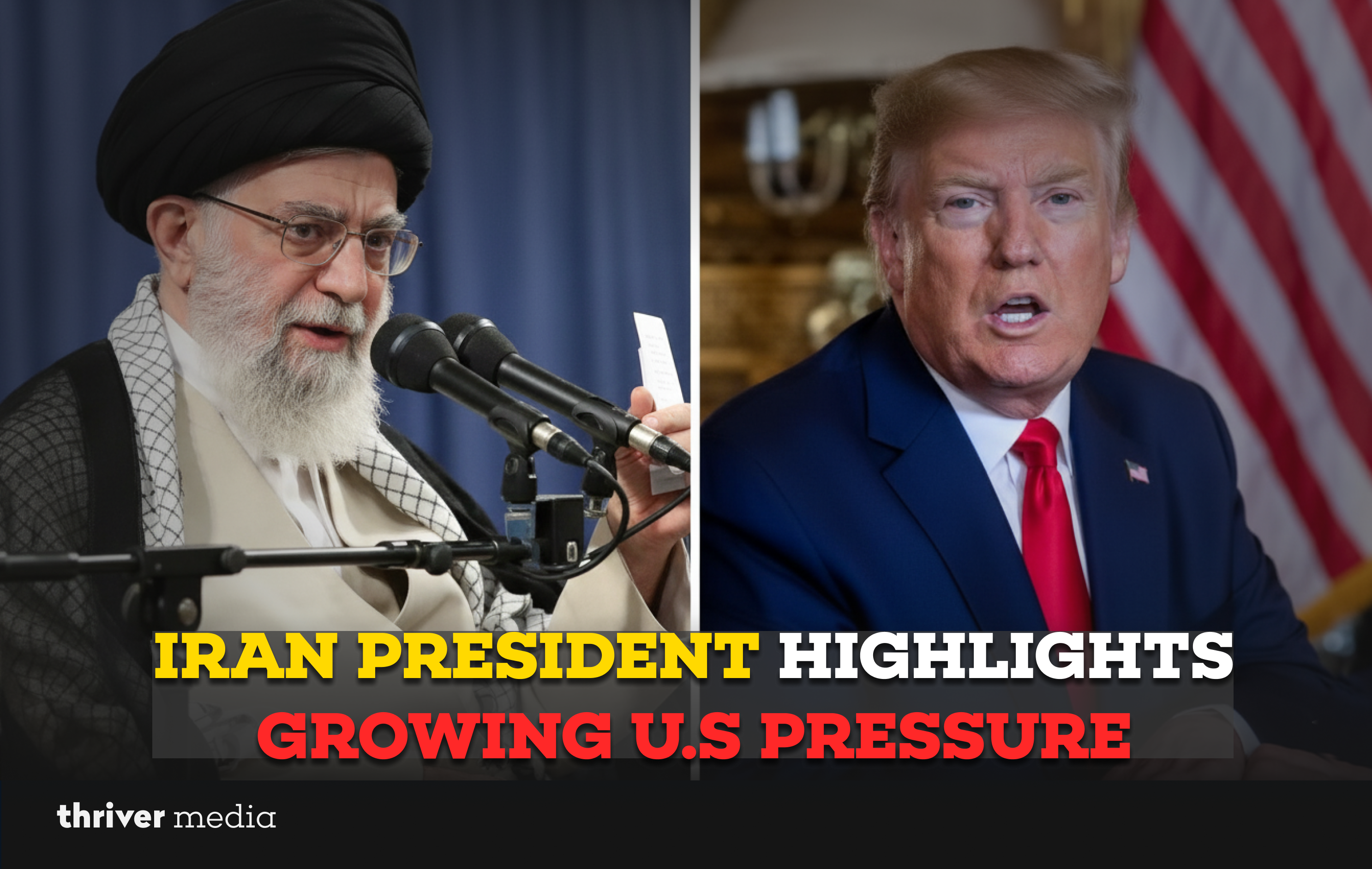
President! You know that tense moment in a thriller where the hero stares down the villain and says, “You should have taken me out when you had the chance?” That’s the vibe coming from Tehran right now.
Iran’s President, Masoud Pezeshkian, isn’t mincing words. In a recent, blunt interview, he declared that Iran is already in a “full-fledged war” with the United States, Israel, and Europe. His message was clear: the pressure is mounting, but Iran is digging in.
“They do not want our country to stand on its feet,” he stated, framing the sweeping sanctions and past military strikes as part of a sustained campaign to cripple the nation.
But here’s the line that’s echoing across diplomatic channels: “If they want to attack, they will naturally face a more decisive response.”
Why This Critical Warning Feels Different
This isn’t just routine political posturing. Pezeshkian is drawing a stark comparison to past conflicts, even the brutal 1980-88 war with Iraq, which claimed hundreds of thousands of lives. He calls the current situation “far more complex and difficult.”
The context adds serious weight to his words:
- The Clock is Ticking: Israeli PM Benjamin Netanyahu is headed to meet with U.S. President Donald Trump. On the agenda? Reports suggest Netanyahu is pushing for more strikes, specifically targeting Iran’s missile program.
- The “Maximum Pressure” Reload: President Trump has revived his aggressive sanctions policy, aiming to choke Iran’s economy and oil revenue.
- The June Strikes Are Fresh: It’s only been six months since unprecedented joint U.S.-Israel attacks on Iranian nuclear and military sites. Tehran hasn’t forgotten.
- Yet, Pezeshkian claims a strategic shift: “Our dear military forces… are stronger than when they attacked.” It’s a bold claim of resilience and preparation in the face of isolation.
The Stakes at a Glance: What’s Happening Now
| The Pressure | Iran’s Stance | Upcoming Flashpoints |
| New U.S. sanctions intensifying pressure on Iran’s economy and currency | Iran says it is already in a “full-fledged war” | Netanyahu–Trump meeting at Mar-a-Lago |
| Europe moving to re-impose UN sanctions over nuclear concerns | Military leadership claims Iran is stronger after June attacks | Israeli push for action against Iran’s missile programs |
| Continued accusations of pursuing nuclear weapons | Iran warns of a “more decisive response” to any future attack | Nuclear talks remain stalled with no restart timeline |
Broken Families, Lost Hope: The True Toll of This “War”
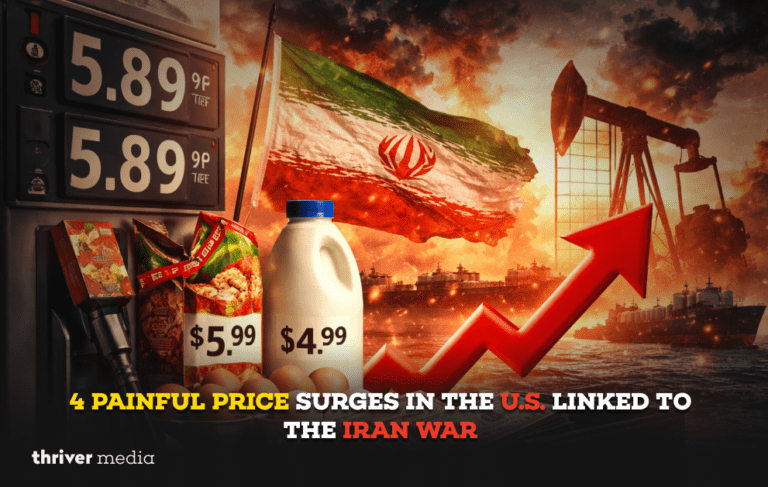
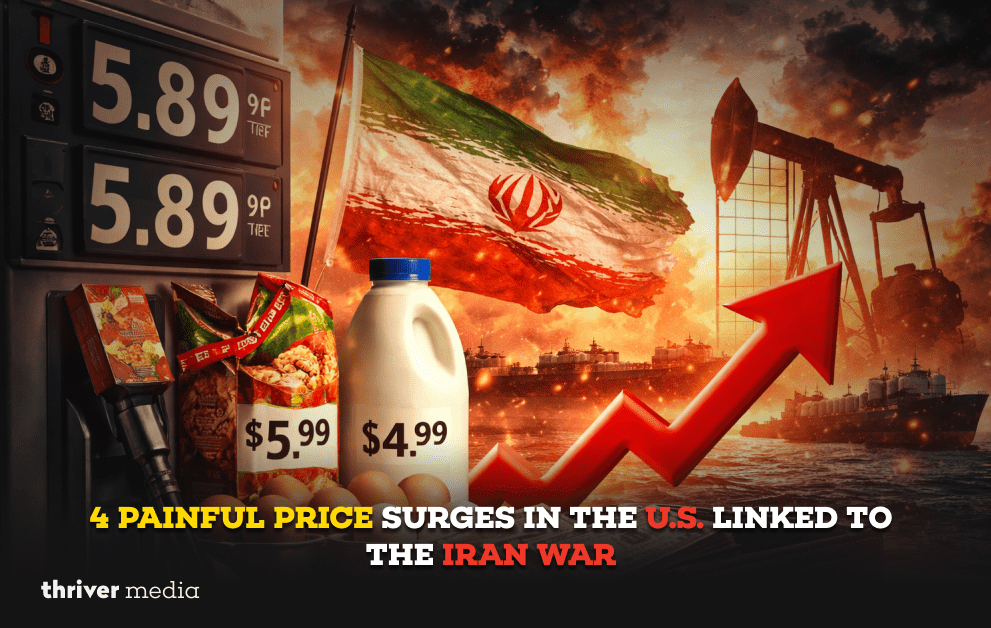
Pezehskian insists this is an economic, political, and military war all at once. For the average Iranian, this translates to a plummeting currency, soaring prices, and a deepening sense of siege. The government’s budget reveals a tough road ahead, but the leadership is channeling this hardship into a narrative of national defiance.
It’s a high-stakes game of chicken. The U.S. and Israel believe pressure will force concessions. Iran’s leadership believes showing weakness will only invite more aggression.
FAQs: Cutting Through the Noise
Officially, it seeks the lifting of all sanctions and a guarantee it can pursue a peaceful nuclear program. Regionally, it wants its influence and security recognized.
It’s a policy of applying severe economic sanctions and diplomatic isolation to force Iran to renegotiate a broader deal that also covers its missile program and regional activities.
Not necessarily. Both sides have shown they prefer to operate in the “gray zone” sanctions, cyberattacks, proxy engagements. But miscalculation, like a targeted strike going too far, is the real danger.
In a tough spot. They oppose Trump’s unilateral sanctions and want to save the nuclear deal but are also concerned about Iran’s missiles and regional actions, leading to their own sanctions.
The Bottom Line: A Dangerous New Phase
President Pezeshkian’s interview is more than a warning; it’s a declaration of a new phase. The aftermath of the June strikes isn’t submission it’s preparation. Iran feels it has weathered the first big storm and is fortifying its walls.
The upcoming Netanyahu-Trump meeting isn’t just another photo op. It’s a potential decision point. Will the “maximum pressure” strategy pivot toward more direct confrontation, or is there a off-ramp no one is discussing?
One thing is clear: the room for miscalculation is shrinking. The next move could define the Middle East for a generation.
What to Read Next:
- Trump’s “New Middle East”: What’s Really Changed? – A deep dive into the current administration’s regional strategy.
- Netanyahu vs. Trump: The Iran Policy Divide – Analyzing the nuances between the two allies’ approaches.
- Inside Iran’s Economic Battle: Sanctions & the Currency Crisis – Understanding the pressure on Iranian citizens.
Disclaimer: The news and information presented on our platform, Thriver Media, are curated from verified and authentic sources, including major news agencies and official channels.
Want more? Subscribe to Thriver Media and never miss a beat.