

15 January 2026
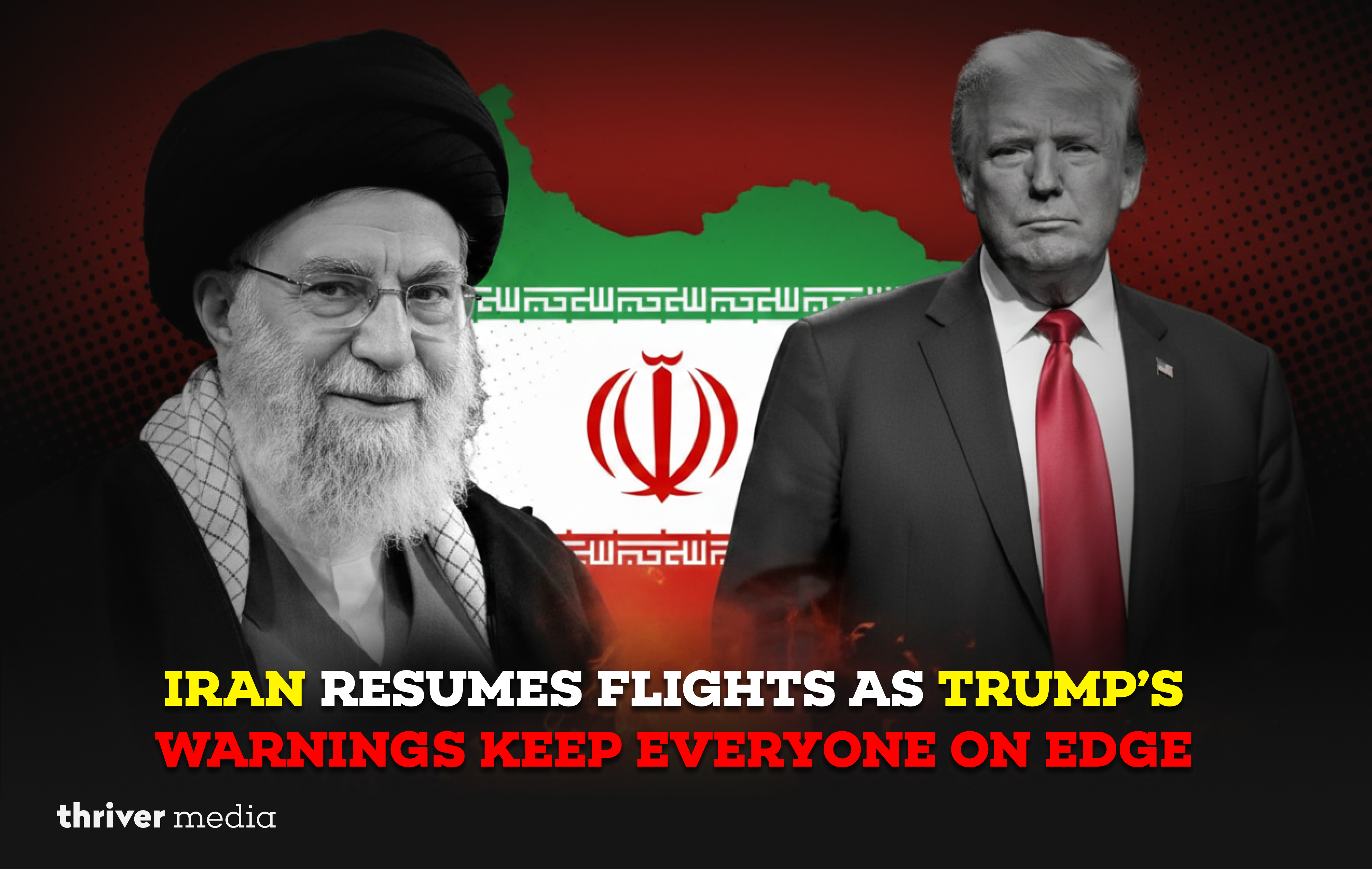
If you’ve checked the news lately, you’ve felt that familiar prickle of tension whenever headlines mention Iran, airspace, and a Trump warning in the same sentence. It’s a geopolitical recipe we’ve seen before, but the ingredients feel freshly measured.
Iran resumes flights as Trump’s warnings keep everyone on edge.
This isn’t just about planes and politics. It’s about a fragile, watchful moment where a nation tries to resume normalcy while the world waits for the other shoe to drop.
What’s Really Going On?
Let’s break down the chessboard. After a period of heightened alert and restricted air travel, Iran has reopened its airspace to commercial flights. This usually signals a de-escalation, a breath held and then slowly released.
Simultaneously, former President Donald Trump has publicly issued stark warnings directed at Iran. The content and tone of these warnings are classic Trump blunt, delivered via social media or rally speeches, and designed to project maximum pressure.
The combination creates a confusing signal: one side moves toward calm (reopening skies), while the other amplifies threats. It leaves airlines, travelers, and observers in a state of managed anxiety.
The Situation at a Glance
| The Move | What It Signals | The Immediate Effect |
| Iran Reopens Airspace | A step toward normalcy and reduced immediate threat | Cheaper and faster flight routes resume for international carriers |
| Trump’s Renewed Warnings | A promise of severe retaliation if provoked | Political and market uncertainty; analysts remain on alert |
| The Combined Effect | A “cold peace” that feels provisional and tense | Public unease and cautious diplomacy on both sides |
Why This “On Edge” Feeling Feels Familiar
We’ve been here before. This cycle of threat, escalation, cautious pullback has defined this relationship for years. For the average person, it translates to:
- Checking news alerts before booking long-haul flights over the region.
- Watching oil prices tick up with every fiery statement.
- Feeling that global stability often hangs by a thread in the Middle East.
Iran’s move is likely economic and practical: keeping skies closed hurts their economy and isolates them further. Trump’s warnings are political and strategic: reinforcing his trademark “maximum pressure” stance for his audience.
You Asked, We Answered
Major international airlines will conduct their own safety assessments. Reopening is a positive sign, but always check with your airline and government travel advisories for the latest safety guidance.
While the exact context shifts, the warnings typically involve threats of severe retaliation if Iran or its proxies attack U.S. interests or allies, particularly Israel.
Significantly. Iran’s airspace is a key corridor for flights between Europe and Asia. Closure forces longer, costlier routes. Reopening is a relief for global aviation.
Indirectly, yes. Every action and threat feeds into the broader atmosphere of negotiation and confrontation surrounding Iran’s nuclear program and regional influence.
The situation remains tense but contained. This pattern of calibrated actions and rhetoric has, so far, managed to avoid all-out war. However, the risk of miscalculation always exists.
The Bottom Line
The bottom line: We are in a phase of tense normalization. Iran is making a logistical and economic decision to resume business, while Trump is making a political decision to maintain a posture of dominance. The world is left navigating the gap between the two.
Conclusion: Living with the Edge
This isn’t just a news cycle; it’s the new normal for international relations in a fractured world. The fact that we can so quickly parse headlines about “airspace” and “warnings” shows how accustomed we’ve become to this simmering tension.
Iran’s reopened skies offer a practical relief. Trump’s sustained warnings remind us that the underlying disputes are far from resolved. For now, we watch, we plan, and we hope that cooler heads and clear communication prevent a spark from catching.
As always, the situation is fluid. For verified updates on airspace status, pilots and airlines rely on official NOTAMs (Notices to Airmen). You can track these through official aviation authorities like the Federal Aviation Administration (FAA).
Official Source for U.S. Aviation Advisories: FAA International Affairs
What’s your take? Does this “on-edge” stability feel sustainable, or are we just between crises? Share your thoughts in the comments.
Disclaimer: The news and information presented on our platform, Thriver Media, are curated from verified and authentic sources, including major news agencies and official channels.
Want more? Subscribe to Thriver Media and never miss a beat.