
13th January 2026
The streets of Iran have become a warzone. It’s not a war of armies, but of a people against their rulers. The smell of tear gas has yet to clear, but now, a new, more dangerous scent is in the air: the smell of gasoline on a global fire, poured by Washington. This is no longer just an Iranian story. This is the world’s most volatile ticking clock, and the hands are moving toward midnight.
The Uprising: A Nation’s Cry, Drowned in Blood
It started with the price of bread, but it was never about the bread. It was about a generation suffocating economically strangled by hyperinflation, politically silenced, and spiritually drained. For three relentless weeks, the protests haven’t just continued; they’ve evolved. They’ve spread from city squares to university campuses, from the Kurdish highlands to the balconies of Tehran apartments. The chants are unambiguous:
- The response has been medieval in its brutality. Credible human rights groups like HRANA and Iran Human Rights are tracking the carnage. The numbers are not statistics; they are lives extinguished:
- At least 646 souls confirmed dead. The count ticks up daily. Among them are teenagers, students shot in the head, bystanders caught in crossfire, and women beaten to death.
- Over 10,000 have been snatched from the streets and their homes, vanished into the regime’s notorious prison system, where torture and forced confessions are the norm.
- To hide the evidence, the regime has plunged the nation into a digital abyss. The internet blackout is near-total a deliberate strategy to shroud atrocities in darkness, leaving families to search morgues in person for their missing children.
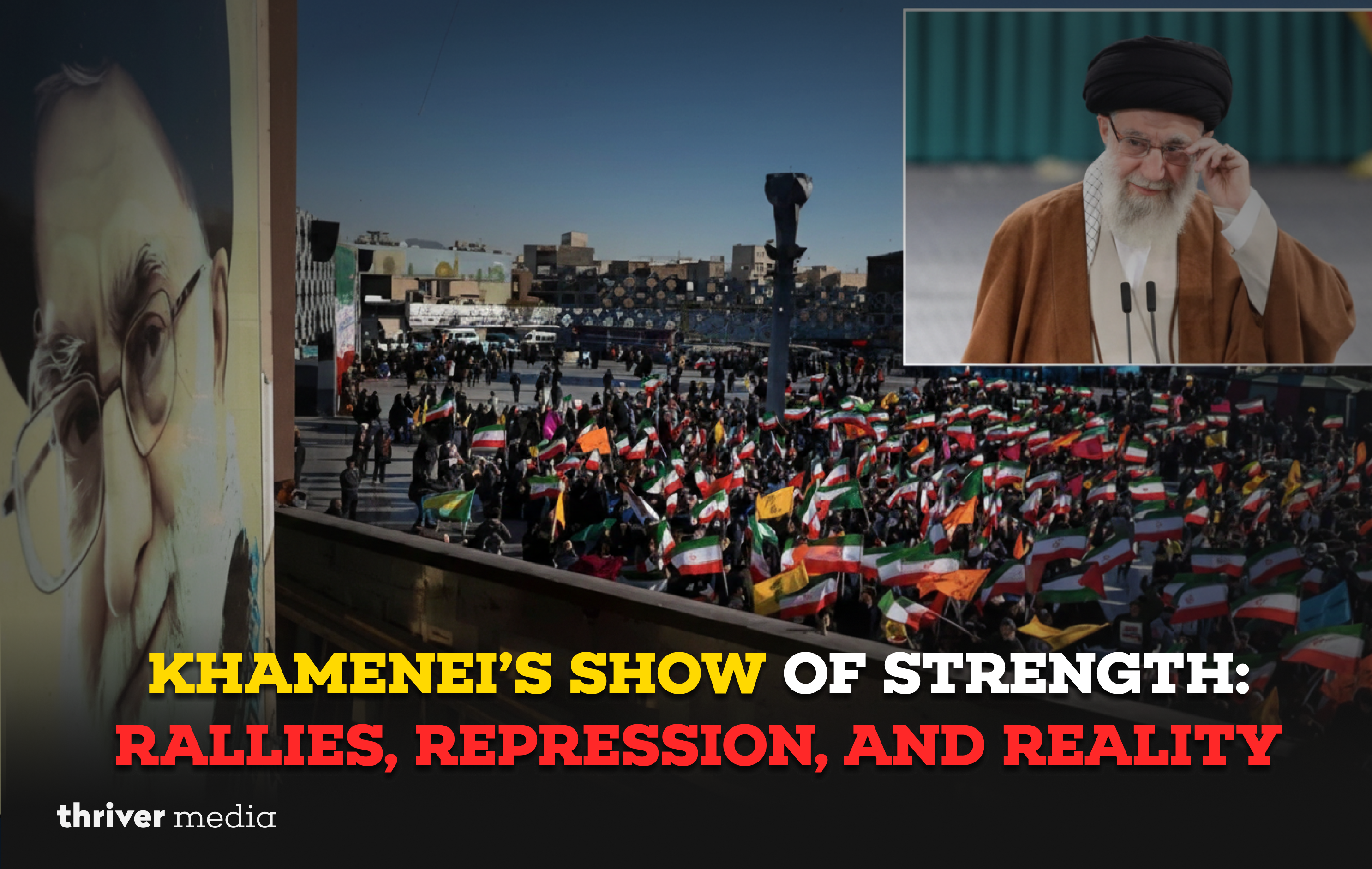
And while this horror unfolds, the regime stages its own grotesque theater. This week, state TV broadcast massive, state-organized pro-government rallies in Tehran. Buses ferried in participants, a spectacle of forced loyalty. Supreme Leader Ali Khamenei praised the turnout as a “spontaneous” show of strength that foiled “enemy plots.” The dissonance is chilling: real protests are met with bullets; staged rallies are met with praise.
The American Gambit: Trump Throws a Match
Just as the regime thought it was suppressing one fire, Washington lit another. In a move that shocked diplomats and markets alike, President Donald Trump announced an immediate 25% tariff on ANY country doing business with Iran. This isn’t a sanction; it’s an economic declaration of war on Iran’s few remaining trading partners. The goal? To strangle the Iranian economy into submission over the crackdown.
But Trump didn’t stop there. He delivered a stark ultimatum: He claimed Iran has “reached out” for talks (a claim Tehran quickly muddied), but warned that if more protesters are killed, the US has “very strong” military options ready, including targeted strikes.
The message is a dangerous cocktail: maximum economic pressure with a loaded gun on the table.
Iran’s Response: “Open to Talks, Ready for War”
Iran’s Foreign Minister, Abbas Araghchi, responded with the cold, calculated defiance the Islamic Republic has honed for decades. “We are open to talks,” he stated, “but only on the basis of mutual respect.” Then came the steel: “We are also ready for war if attacked.” He flatly rejected what he called US “interference” in Iran’s internal affairs, framing the entire protest movement as a foreign conspiracy.
This is the deadly dance. Tehran cannot be seen to buckle under American threats, especially not while fighting for its life at home. Its survival script requires an external enemy.
The Shadow War: Israel’s Unspoken Role
While public statements focus on the US, in the corridors of power in Tehran, Riyadh, and Tel Aviv, another name is whispered: Israel. The regime’s propaganda outlets work overtime to link the protests to Mossad and “Zionist agitators.” This is strategic. By blaming Israel, the regime:
- Attempts to delegitimize the purely domestic, organic rage of its own citizens.
- Rallies its hardline base with a familiar, hated foe.
- Justifies any future escalation or provocation in the region as a defensive act against a “Zionist-American plot” to fracture the nation.
The danger is a miscalculation. A covert action by Israel against Iranian nuclear or military assets during this internal crisis could provide the regime the perfect pretext to lash out externally, uniting the country against a common enemy and sparking a regional war.
FAQ: Understanding the Brink
While sparked by economic collapse, the core demand has become fundamental political change. Many are risking their lives for basic freedoms, an end to theocratic rule, and a future defined by Iranians, not by the Revolutionary Guards.
The US administration’s rhetoric supports the protesters, but its drastic actions like crippling new tariffs may actually worsen the economic despair that fuels public anger, while giving the regime a scapegoat for all of Iran’s problems.
Absolutely. The combination of a regime fighting for survival, unprecedented US economic warfare, and explicit military threats creates a tinderbox. An accidental clash, a misread signal, or a deliberate strike could ignite a conflict.
It’s a decades-old survival tactic. By externalizing the threat, the regime deflects blame for its own failures and attempts to convert patriotic fervor into support for the government against foreign enemies.
It’s incredibly difficult due to the blackout. Reliance on satellite imagery, smuggled videos, and reports from brave NGOs and citizen journalists on the ground is critical.
Context Table: The Crisis by the Numbers
| Aspect | The Reality | Verified Source |
| Confirmed Death Toll | At least 646 deaths, including protesters, bystanders, and security forces | Iran Human Rights (IHR) |
| Estimated Arrests | 10,000+ detainees as crackdown intensifies | Human Rights Activists News Agency (HRANA) |
| Duration of Protests | Over 3 weeks ongoing, despite heavy security repression | Internal Security Reports |
| US Economic Action | 25% tariff imposed on any nation trading with Iran | White House Executive Order |
| Internet Status | Severe nationwide blackout, restricting real-time information flow | NetBlocks & Reuters |
The Bottom Line
We are witnessing a triple crisis: a popular revolution against a theocratic state, an economic war waged by a superpower, and a shadow war with a regional adversary. The Iranian people are trapped in the middle, fighting for their future while global powers play a game of chicken over their heads. The regime’s survival depends on crushing the first and blaming the latter two.
Conclusion: The Silence is the Story
The most telling detail is not the gunfire, but the silence. The digital blackout over Iran is a metaphor. It is the regime’s attempt to erase a story it cannot control. But whispers cut through firewalls. Blurred videos of bravery and loss seep out. The world must choose: will it hear only the shouts of strongmen and the roar of jets, or will it strain to listen to the voices rising from the darkness in Iran’s streets?
The path ahead forks violently: toward a free Iran born of unimaginable courage, or toward a regional war born of miscalculation. The next chapter will be written by those who decide which voices to amplify. Watch. Listen. Speak. The silence helps only the oppressor.
Official Sources for Verification:
- Iran Human Rights (IHR): https://iranhr.net/
- HRANA (Human Rights Activists News Agency): https://www.en-hrana.org/
- NetBlocks Internet Tracker: https://netblocks.org/
Disclaimer: The news and information presented on our platform, Thriver Media, are curated from verified and authentic sources, including major news agencies and official channels.
Want more? Subscribe to Thriver Media and never miss a beat.