
24th February 2026
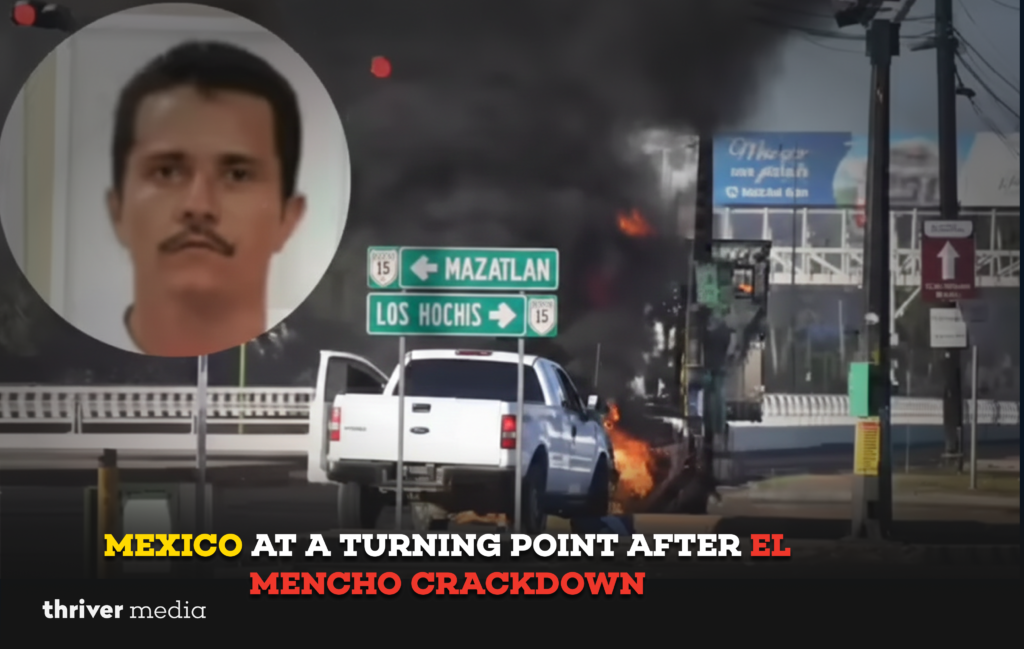
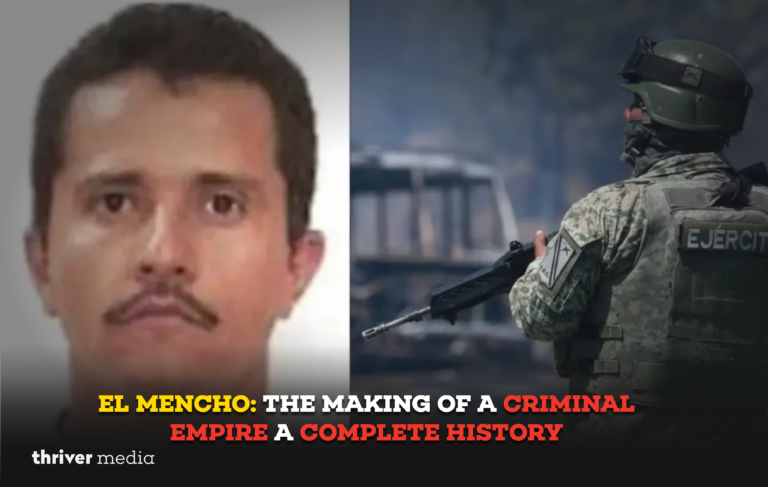
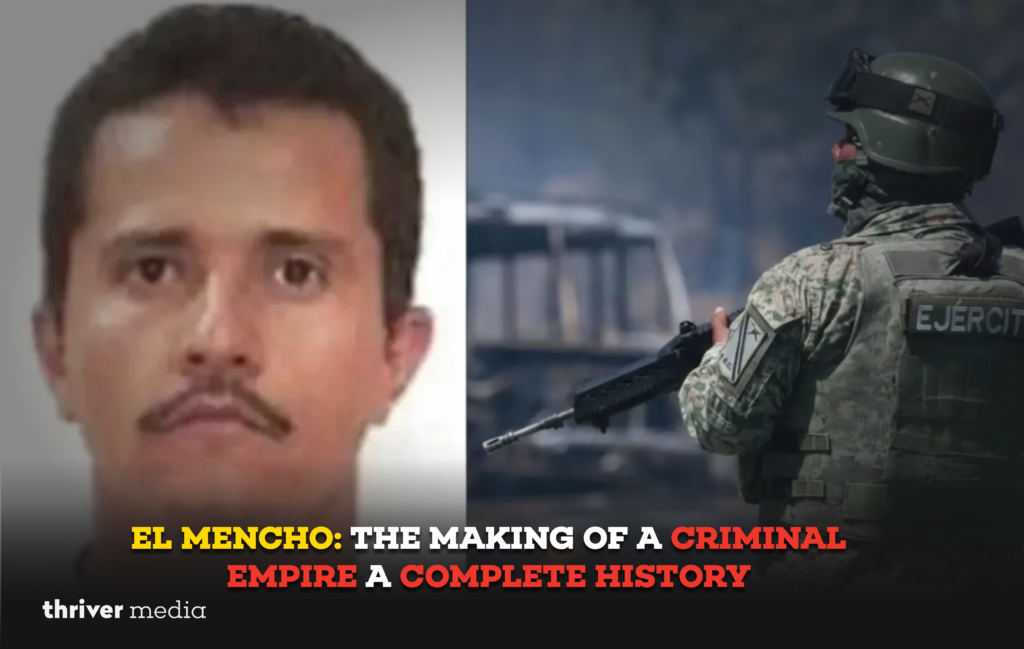
For years, his name was whispered in the same breath as “Chapo” Guzmán, yet he operated with a far lower profile. Nemesio Oseguera Cervantes, better known as “El Mencho,” became the most wanted man in Mexico. As the leader of the Cartel Jalisco New Generation (CJNG), he built an empire of fentanyl, violence, and territorial control that rivaled anything seen since Pablo Escobar.
Recent operations by Mexican security forces suggest a significant escalation in the government’s strategy. While the Mexican government has not confirmed his capture or death, a series of coordinated raids and military actions targeting his inner circle signal the most serious crackdown on his organization to date. This moment may define the future of Mexican cartel politics.
This article provides context on who El Mencho is, the rise of CJNG, and what this turning point means for Mexico and the United States.
Who is El Mencho? From Migrant Worker to Kingpin
To understand the current turning point, one must understand the man at the center of it. Nemesio Oseguera Cervantes was born in rural Michoacán in 1966. His early life was not one of inherited power. Like many Mexicans, he emigrated to the United States in the 1980s, working low-wage jobs in California. He was eventually deported for drug trafficking and assault.
This history matters. Unlike some capos who inherited their positions, El Mencho clawed his way up. He started as a hitman for the Milenio Cartel. When that organization fractured, he took control of its remnants, forming the CJNG in 2010. His background gave him a unique understanding of the U.S. market and a ruthless pragmatism that would come to define his leadership.
The Jalisco New Generation Cartel (CJNG): A Different Kind of Threat
CJNG is not your father’s drug cartel. While groups like the Sinaloa Cartel often relied on complex networks of bribes and discreet operations, CJNG utilized a paramilitary model.
- Military Tactics: They are known for their use of advanced weaponry, including drones armed with explosives and armored vehicles known as “monstruos” (monsters).
- Fentanyl Domination: Their primary source of power lies in the production and trafficking of fentanyl. This synthetic opioid is cheap to produce and deadlier than heroin. CJNG effectively flooded the United States with the drug, fueling the ongoing overdose crisis.
- Territorial Expansion: Under El Mencho, CJNG expanded from Jalisco to become a presence in over half of Mexico’s states. They didn’t just want a piece of the pie; they wanted the entire bakery.
The U.S. Drug Enforcement Administration (DEA) has long considered CJNG a more significant threat to American lives than any other cartel, specifically due to their fentanyl production.
The Crackdown: What Just Happened?
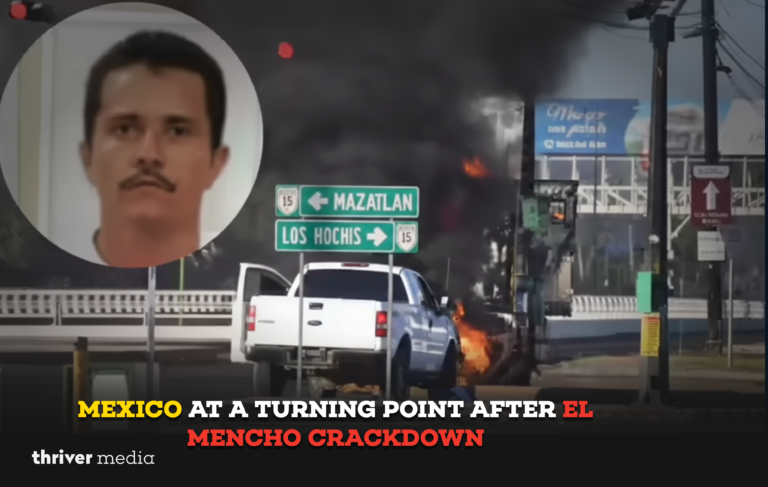
The recent operations referred to as the “El Mencho crackdown” are not a single event but a concentrated campaign. In recent months, Mexican marines and the National Guard have conducted high-impact raids in Jalisco and Michoacán.
Key actions include:
- Seizure of Assets: Authorities have seized hundreds of properties, ranches, and financial assets linked to El Mencho’s family.
- Arrest of Operators: Security forces have detained key financial operators and logistics chiefs. These are the people who keep the cartel running, managing money laundering and precursor chemical shipments for fentanyl.
- Intelligence Gathering: The raids appear designed to gather real-time intelligence on El Mencho’s location, forcing him to move constantly and sever his communication lines.
This crackdown signals that both the Mexican and U.S. governments have made El Mencho the top priority.
Why This Crackdown Matters
This is more than just another chapter in the drug war. This is a structural turning point.
- Decapitation Strategy: The strategy mirrors the one used against Pablo Escobar and “Chapo” Guzmán. By removing the head, the theory goes, the organization will implode.
- Fentanyl Supply: Taking down El Mencho could, in the short term, disrupt the supply chains of fentanyl flowing into the U.S., potentially saving lives.
- Moral Victory: For the Mexican government, a win against El Mencho would be a massive political victory, proving they can go after the most powerful actors despite their resources and violence.
The Consequences: The Specter of a Power Vacuum
While the crackdown is significant, it opens a dangerous door. The most immediate consequence of removing a strong leader from a violent organization is a power vacuum.
Internal Fragmentation
CJNG is a large, complex entity. It is held together by El Mencho’s authority and the flow of money he guarantees. If he is neutralized, we will likely see a split. Two or three high-ranking lieutenants may battle for control of the most lucrative plazas (territories).
Regional Impact: The Battle for the Pacific
Jalisco and Michoacán will become battlegrounds. These states are vital for both port access (shipping chemicals and drugs) and production. The Sinaloa Cartel, CJNG’s arch-rival, will almost certainly attempt to move into weakened CJNG territory. This leads to one outcome: a spike in violence as new alliances form and old debts are settled.
The “Balkanization” of Cartels
Instead of one dominant CJNG, we may see the rise of several smaller, even more vicious splinter groups. These groups are often harder to track because they are smaller and more agile. They fight harder to survive because they lack the resources of a major cartel.
FAQ Section
What happened to El Mencho in Mexico?
He has not been captured or confirmed dead and remains a fugitive despite intensified military operations.
Was El Mencho assassinated?
No, there is no credible evidence or official confirmation that he has been assassinated.
Who is the cartel in Breaking Bad?
The cartel in Breaking Bad is fictional, mainly inspired by the real-life Juárez and Sinaloa cartels.
Was El Mencho in the US?
Yes, he lived in the United States in his youth before being arrested and deported in the 1990s.
The Bottom Line
The crackdown on El Mencho represents a pivotal moment in Mexico’s modern history.
If successful, it would eliminate the leader of the country’s most aggressive cartel. However, history teaches a sobering lesson: removing a kingpin does not end the drug trade. It simply resets the board. The violence that follows is often worse than the violence that preceded it, as smaller, more desperate factions fight for supremacy.
For the United States, the short-term disruption of fentanyl supply might be a win, but the long-term instability could lead to a more unpredictable security situation along the border.
For Mexico, it is a test of the rule of law. Can the state control the chaos that follows such a seismic event? The answer to that question will determine the safety and security of millions of Mexicans living in the shadow of the cartels.
Conclusion: An Uncertain Horizon
Standing at this turning point, Mexico faces an uncertain horizon. El Mencho’s grip on the Jalisco New Generation Cartel has been absolute for over a decade. Breaking that grip is a monumental task.
The recent crackdown shows bravery and commitment from security forces. But the war on drugs is not won by capturing one man. It is won or lost in the streets of Mexican cities, in the fields of poppy growers, and in the demand centers north of the border.
As the world watches, one thing is clear: the era of El Mencho may be ending, but the story of the cartels and Mexico’s struggle for peace is far from over. The next few months will reveal whether this crackdown leads to justice or merely opens the door for the next, more ruthless empire to rise.
Disclaimer: The news and information presented on our platform, Thriver Media, are curated from verified and authentic sources, including major news agencies and official channels.
Want more? Subscribe to Thriver Media and never miss a beat.