
25th February 2026
Michael Jackson
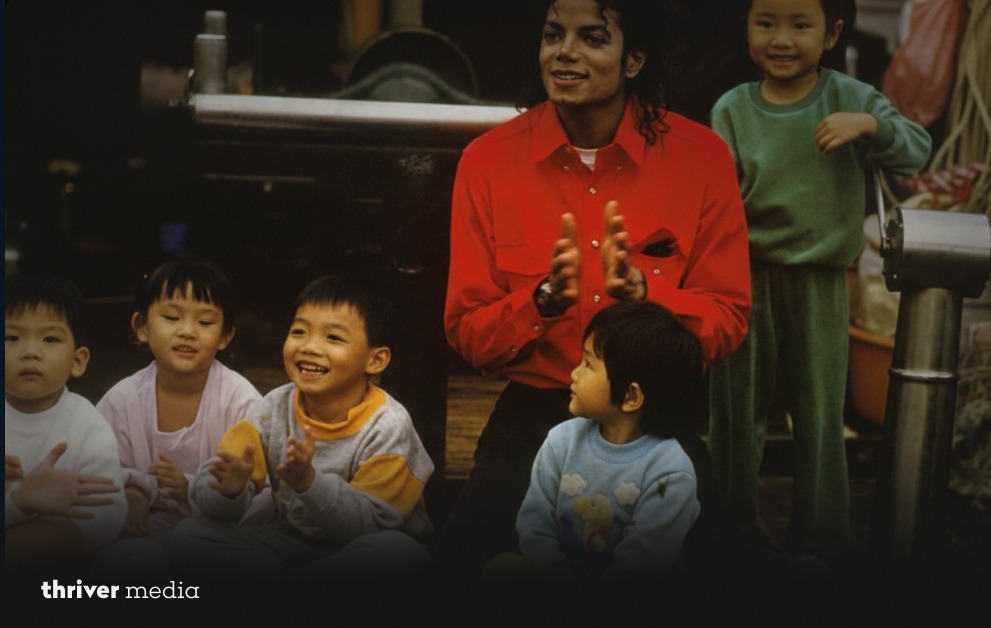
The King of Pop often appeared surrounded by children at his Neverland Ranch, a property designed as a fairy-tale escape.
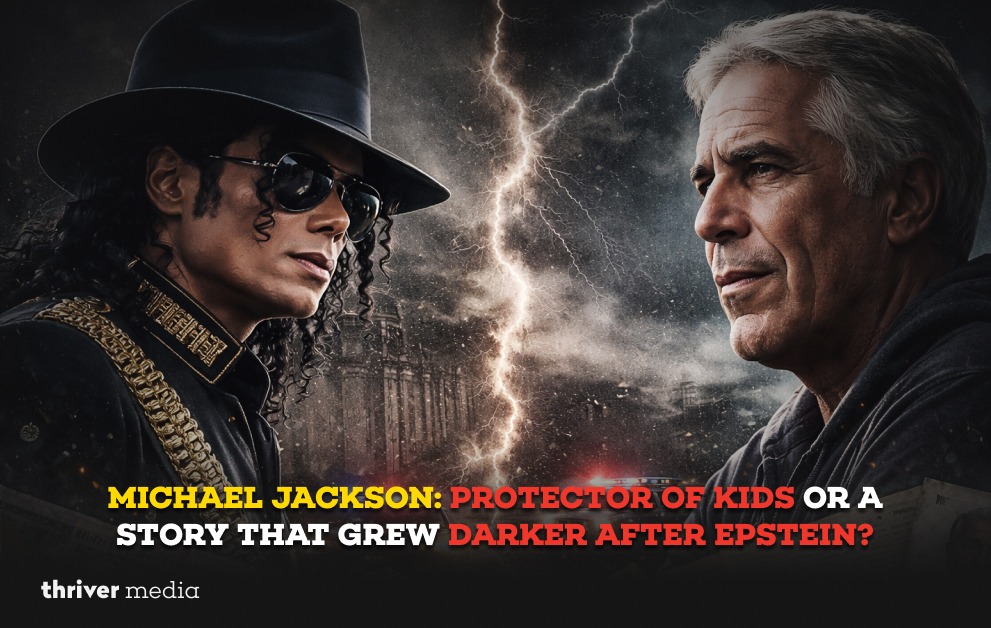
To millions, Michael Jackson represented a global humanitarian and a self-described protector of childhood innocence. At the same time, a parallel narrative followed him one shaped by allegations and high-profile legal battles.
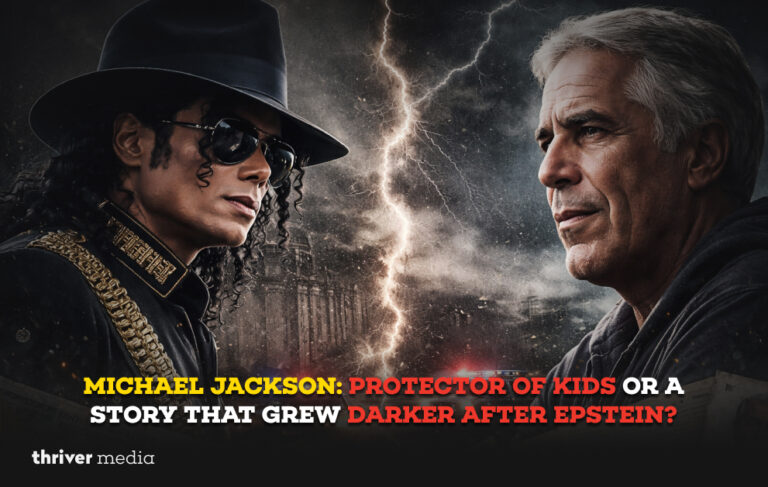
In recent years, that debate has intensified under a darker backdrop: the world of Jeffrey Epstein. As courts unsealed documents and government agencies released files tied to Epstein’s case, public scrutiny widened beyond one man.
The renewed attention reignited an old question. Was Michael Jackson a misunderstood eccentric devoted to helping children, or does his story appear more troubling when viewed through the lens of the Epstein era?
This enduring divide sits at the center of the michael jackson allegation debate a controversy that continues to resist closure in the public mind.
Key Context at a Glance
Before examining the complexities of the debate, the table below outlines the key events, legal outcomes, and points of contention that form the foundation of Michael Jackson’s legacy.
| Context Area | Key Details | Status / Evidence |
| 1993 Allegation | Jordan Chandler accused Michael Jackson of abuse and a civil lawsuit was filed. | No criminal charges were brought. Civil case settled for a reported $20M+ with no admission of guilt. |
| 2003 Allegation & Trial | Gavin Arvizo alleged abuse following the Living with Michael Jackson documentary. | 2005 trial verdict: Acquitted on all 14 criminal counts. |
| Posthumous Allegations | Wade Robson and James Safechuck alleged abuse in Leaving Neverland (2019). | Lawsuits filed; earlier dismissals occurred on corporate technical grounds. Claims remain legally contested and disputed. |
| Epstein Connection | A photograph of Jackson with Jeffrey Epstein was released in 2024/2025 document disclosures. | Verified: The photograph exists. Unverified: Any knowledge of or involvement in Epstein’s crimes. Claims beyond the photo are speculative. |
| Defender Arguments | Supporters argue Jackson was innocent, helped children, was targeted, and that aspects of his 2009 death raise suspicion. | Supported by 2005 acquittal and public defenders (e.g., Macaulay Culkin). Broader conspiracy claims lack verified evidence. |
| Circumstances of Death | Died June 25, 2009, from acute propofol intoxication administered by Dr. Conrad Murray. | Dr. Murray was convicted of involuntary manslaughter. Official cause of death ruled a medical tragedy. |
Background: The Original Allegations
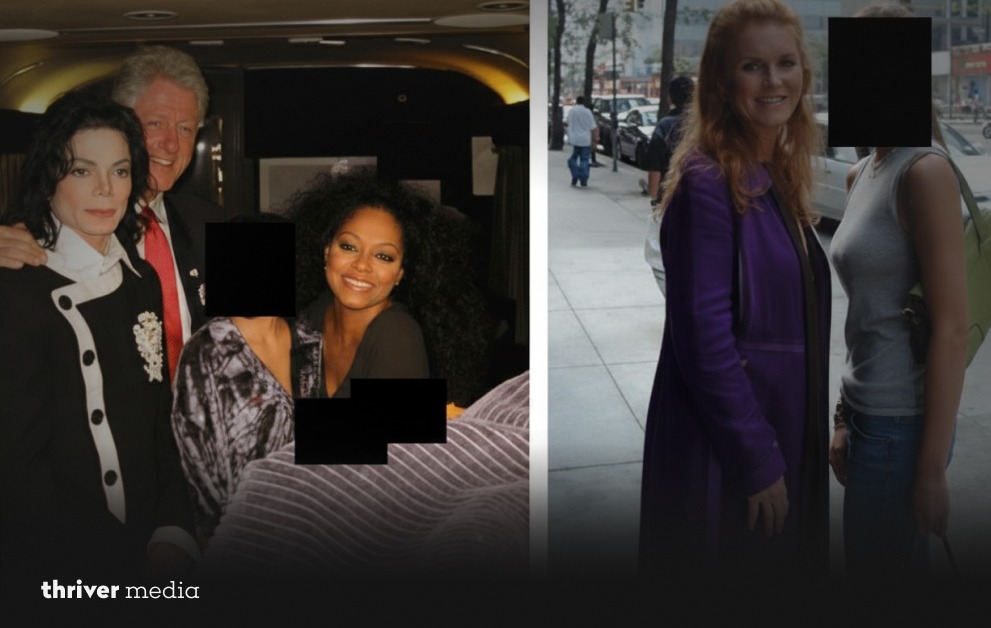
To understand the current controversy, one must return to the two pivotal legal battles that defined Jackson’s later life.
The first major public storm erupted in 1993 when Jordan Chandler, a 13-year-old boy, accused Jackson of sexual abuse. The allegation triggered an unprecedented media frenzy. Police searched Neverland, and the scandal pushed Jackson’s career into crisis.
Prosecutors did not file criminal charges. Jackson later settled a civil lawsuit with the Chandler family for a reported sum exceeding $20 million. He and his supporters insisted the settlement avoided a prolonged legal fight rather than signaling guilt, but the payment left a lasting stain on his reputation.
A second and far more consequential allegation surfaced in 2003. The controversy followed the British documentary Living with Michael Jackson, which showed Jackson holding hands with 13-year-old cancer survivor Gavin Arvizo and speaking about sharing his bedroom with children, calling it “the most loving thing to do.” Those comments ignited public outrage and prompted authorities to launch a full-scale criminal investigation.
In 2005, Jackson stood trial in Santa Maria, California, on charges that included molesting Arvizo, administering alcohol to a minor, and conspiring to hold the boy’s family captive. The trial was a media circus. Jackson’s defense team portrayed the Arvizo family as grifters seeking to extort money from a vulnerable celebrity. After a 14-week trial and seven days of deliberation, the jury returned a verdict on June 13, 2005: not guilty on all counts. For Jackson and his fans, it was a complete vindication.
The Acquittal as the Final Word
For Jackson’s defenders, the 2005 acquittal is decisive. To them, a not-guilty verdict on all counts closed the legal chapter. They argue that a man who created a haven for sick and underprivileged children does not fit the image painted by tabloids.
In this view, Jackson did not harm children he offered safety and comfort. Neverland, supporters insist, was not a predatory space but a sanctuary where vulnerable kids could escape the pressures tied to fame, illness, or difficult home lives.
Public Defenses and Philanthropy
Public defenders who have stood by Jackson for decades reinforce this perspective. Former child stars such as Macaulay Culkin, who spent time at Neverland, have repeatedly said that Jackson never mistreated them.
Supporters also point to Jackson’s own childhood shaped by intense fame and a demanding career to explain his affinity for children. They argue that he tried to give others the innocence he believed he had lost. They cite his philanthropic work, including support for children’s charities and hosting terminally ill children at Neverland, as further evidence of that intent.
Claims of Targeting and Conspiracy
Some defenders go further. They argue the allegations were amplified by individuals or institutions with ulterior motives. According to this perspective, the timing of accusations coincided with moments when Jackson was challenging influential figures within the music industry.
Jackson himself spoke of feeling targeted, referencing what he described as a broader conspiracy. In a March 2005 interview, he stated, “I am completely, completely innocent. Please know a lot of conspiracy is going on as we speak.”
Questions Surrounding His Death
Others raise doubts about the circumstances of his 2009 death. They point to the propofol overdose and the role of his physician, suggesting the timing just before a major comeback tour fueled speculation beyond the official ruling.
While these claims remain speculative, they strengthen the belief among supporters that Jackson was more victim than perpetrator. In audio recordings later featured in The Trial, Jackson said, “Children … wanna just touch me and hug me,” and “Kids end up just falling in love with my personality sometimes it gets me into trouble.”
For his defenders, that “trouble” reflects misunderstanding rather than misconduct the consequence of a world that struggled to interpret his unusual connection with youth.
The Epstein Era and Renewed Scrutiny
The acquittal in 2005 did not silence the allegations, but they became a quieter, more uncomfortable footnote in his legacy after his death in 2009. That changed with the rise of the #MeToo movement and, more specifically, the bombshell revelations surrounding Jeffrey Epstein. The financier’s network of wealthy and powerful associates brought a new, disturbing lens through which to view historical allegations of abuse.
In early 2024 and again in 2025, the U.S. government began releasing millions of files pertaining to Epstein. As expected, these documents contained flight logs, contact lists, and photographs featuring numerous high-profile figures. Among them was Michael Jackson.
One photograph, in particular, sparked a firestorm of speculation. It showed Jackson posing next to Jeffrey Epstein in what appeared to be a private residence, both standing in front of a large painting. The image, initially released in December 2025, immediately went viral. For many online, this single photo served as proof of a connection they had long suspected.
But a careful, investigative approach calls for pause. The image provides no metadata that shows where or when someone took it. Investigators have uncovered no documented evidence, emails, testimony, or entries in Epstein’s “little black book” that show Michael Jackson knew about, participated in, or witnessed Epstein’s crimes. The fact that both men moved in circles of immense wealth and fame could explain why they appeared in the same frame.
The release of the Epstein files fueled renewed scrutiny, yet no verified evidence has established a direct link. For now, claims beyond the existence of the photograph remain speculative.
Media, Algorithms, and Public Memory
he renewed debate shows how the internet and modern media constantly reshape public memory. In an algorithm-driven culture, famous names resurface whenever a related scandal breaks. When authorities released documents tied to Epstein’s case, newsrooms and social feeds immediately searched for recognizable figures. A single image linking a global pop icon to Epstein became highly shareable built for virality in a system that rewards outrage and intrigue.
This dynamic taps into a basic psychological instinct: people prefer clear moral categories. We want heroes to remain spotless and villains to stay irredeemable. Few public figures challenge that binary more than the King of Pop a man celebrated for artistic brilliance yet long shadowed by controversy.
Even an unproven association can feel meaningful in that environment. For some, the photograph alone reinforces suspicions. For others, it proves nothing. Social media amplifies this divide, where an image can circulate faster than context and implication can overshadow legal outcomes.
Where the Evidence Stands Today
After decades of speculation, investigation, and litigation, it is crucial to separate verified fact from online speculation.
- Legal Outcomes: Michael Jackson was investigated twice. He was never convicted of any crime. The 2005 trial ended in a full acquittal.
- Civil Settlement: The 1993 allegation resulted in a civil settlement. While not an admission of guilt in a court of law, it is a matter of public record and a key piece of the puzzle for those who believe he was culpable.
- Epstein Connection: To date, the only verified link between Michael Jackson and Jeffrey Epstein is a photograph of them together. No credible evidence has emerged from the thousands of pages of Epstein documents to place Jackson at the center of Epstein’s trafficking operation.
- Posthumous Allegations: Since his death, two men who were boys at the time (Wade Robson and James Safechuck) have come forward with detailed allegations of abuse in the documentary Leaving Neverland. They recently filed a lawsuit against Jackson’s companies, but a court dismissed the case on technical grounds, ruling that the companies could not bear liability for actions that allegedly occurred years before their incorporation. The dispute continues to fuel intense debate over his legacy..
- Circumstances of Death: Michael Jackson died in 2009 after his personal physician, Dr. Conrad Murray, administered a fatal dose of propofol. A court later convicted Murray of involuntary manslaughter. Medical and legal records document these findings.
Frequently Asked Questions
Was Michael Jackson ever convicted of child abuse?
No, he was acquitted of all criminal charges in 2005.
Did the Epstein files mention Michael Jackson?
His name and a photograph appeared, but no court document identified him as a co-conspirator or participant in Epstein’s crimes.
Why do some people link Michael Jackson to Jeffrey Epstein?
The connection largely stems from a single photograph and renewed online speculation after Epstein file releases.
What were the outcomes of the 1993 and 2005 cases?
The 1993 civil case was settled out of court, and the 2005 criminal trial ended with a full acquittal.
Why does the debate about Michael Jackson continue today?
Because his fame, the seriousness of the allegations, documentaries, and ongoing media coverage keep public opinion divided.
What is confirmed fact vs online speculation?
Confirmed facts include his 2005 acquittal and the 1993 settlement, while claims linking him to Epstein’s crimes remain unproven speculation.
Conclusion
The story of Michael Jackson is a hall of mirrors, where image and reality constantly shift. On one side stands a legally exonerated man, defended by childhood friends and admired for his art and philanthropy.
Supporters see someone who offered safety to vulnerable children and believe he was systematically targeted by powerful forces. Some even question the timing and circumstances of his sudden death in 2009.
On the other side lies a record of troubling associations, settled lawsuits, and the painful testimonies of men who say they were abused as boys.
The emergence of the Epstein files added another layer to an already complex legacy. Yet they delivered no definitive answers only another image for the public to interpret.
How history ultimately judges the King of Pop may depend less on the evidence itself and more on which reflection society chooses to believe.
Bottom Line
No criminal conviction was ever secured against Michael Jackson, who was acquitted in a 2005 trial. However, a civil settlement from 1993 and posthumous allegations have permanently shaped public opinion. The much-discussed connection to Jeffrey Epstein currently rests on a single photograph, and any involvement in Epstein’s crimes remains purely speculative unless supported by verified documents from the official case files. As a result, Michael Jackson’s legacy remains deeply and perhaps permanently divided between artistic genius and unanswered questions.
Disclaimer: The news and information presented on our platform, Thriver Media, are curated from verified and authentic sources, including major news agencies and official channels.
Want more? Subscribe to Thriver Media and never miss a beat.