
26th January 2026
Key Points at the Top
- OpenAI’s AI likeness technology now allows creators to generate realistic digital replicas of their face and voice.
- YouTube is integrating this tech into creator tools, enabling new forms of content like multi-language dubbing and digital doubles.
- This promises massive efficiency gains for creators, breaking down language barriers and scaling production.
- Significant concerns around consent, deepfakes, and digital identity theft come hand-in-hand with this powerful tool.
- This move is a pivotal moment in the shift towards AI-augmented digital personas across social platforms.
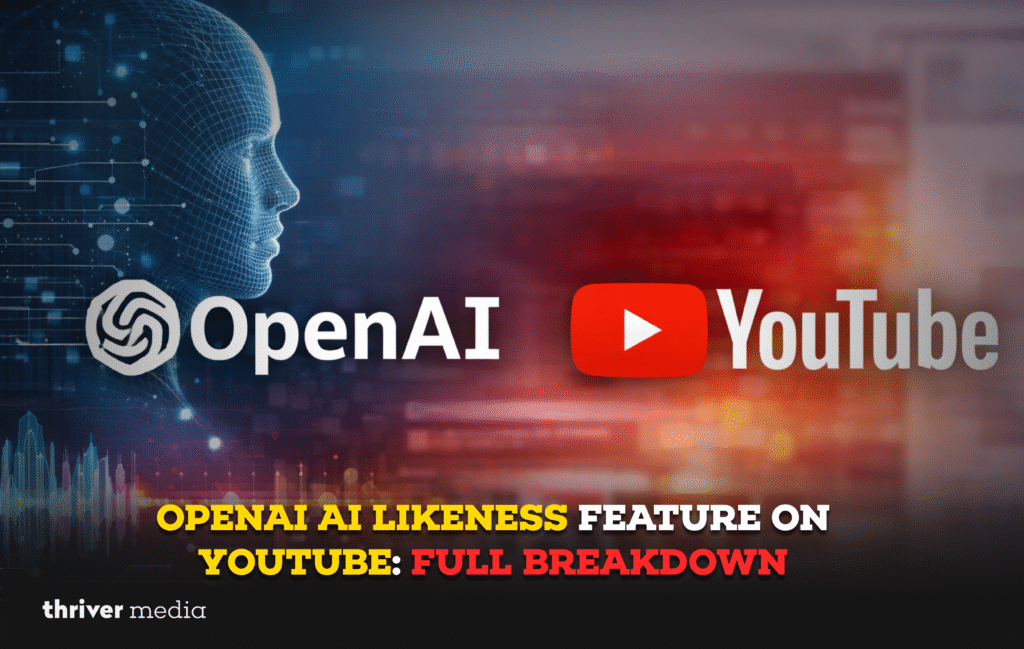
The relationship between creators and AI is about to get a lot more personal. YouTube, the world’s largest video platform, is taking a monumental step by integrating OpenAI’s cutting-edge AI likeness technology directly into its creator toolkit. This isn’t just another filter or effect. Instead, it signals a major shift in how video personalities create content and interact with their audiences. Let’s break down what this means, how it works, and why it’s poised to change the game for good.
What Is AI Likeness Technology?
At its core, AI likeness technology is about creating a functioning digital double. Using generative AI models like those pioneered by OpenAI the software can analyze a sample of a person’s face and voice to learn their unique characteristics.
- For Face: It goes beyond a static 3D model. It understands how you express emotion, how your mouth moves for different phonemes, and the subtle quirks of your smile or eyebrow raise.
- For Voice: It captures your tone, pitch, cadence, and accent, creating a synthetic voice that can say things you’ve never physically recorded.
OpenAI’s role here is providing the powerful underlying engine. Their research in models like DALL-E (for image generation) and Whisper/Vall-E (for audio) has paved the way for systems that can replicate human likeness with startling accuracy. This YouTube integration is one of the most mainstream, practical applications of this tech we’ve seen yet.
How YouTube Is Using It
YouTube isn’t just releasing a scary-deepfake button. The integration is rolling out as a suite of controlled, creator-focused tools within YouTube Studio, designed to solve real production problems.
The flagship features are expected to include:
- AI-Powered Dubbing & Translation: A creator records a video in English. Using their AI voice likeness, the tool can generate a dubbed version in Spanish, Japanese, or French that still sounds like them. This tackles the immense challenge of localization head-on.
- Digital Double for B-roll: Need to film an intro but short on time? A creator could generate a clip of their AI double delivering the script, which they can splice into their edited footage.
- Accessibility Narration: Automatically generate voiceovers for videos in the creator’s own voice, making content more accessible.
- The platform’s goal is clear: empower creators to scale their presence and reach without being physically constrained by time, language, or resources.
Why This Matters for Creators
For creators, this is a potential productivity revolution. Imagine producing a single video that automatically publishes in a dozen languages, all with your authentic vocal tone. The opportunity to grow a global audience exponentially is now tangible.
It also opens doors for new content forms. A history channel host could “appear” in period-appropriate settings. An educator could generate supplementary lessons in their own voice without re-recording. It protects against vocal strain and allows for the correction of minor flubs without a full reshoot.
Crucially, this is about brand continuity. Your face and voice are your brand. This technology allows you to extend that brand consistently across more content than any human could physically produce, strengthening your connection with viewers everywhere.
The Bigger Tech Picture
YouTube’s move isn’t happening in a vacuum. It’s a decisive battle in the platform war for AI-augmented creativity. We’ve seen AI script helpers, image generators, and auto-edits. But the likeness is the final frontier your digital identity.
This signals that the future of being a “creator” may involve managing your AI persona as carefully as your real-world one. Every major platform from TikTok to Instagram will likely follow suit, integrating similar tools to retain their top talent. The era of the purely human-driven channel is evolving into a human-AI collaborative model.
AI Likeness on YouTube At a Glance
YouTube’s AI likeness tools aren’t just shiny new features. They’re practical creator utilities designed to save time, expand reach, and reshape how video content is produced. Here’s a quick look at where these tools fit and why they matter.
| Feature Area | What It Does | Why It Matters |
| Voice Localization | Generates dubbed audio in multiple languages using a creator’s AI-modeled voice. | Removes language barriers and opens the door to global audiences without re-recording content. |
| Visual Double | Creates short video segments of a creator’s likeness speaking in sync with generated audio. | Helps scale production, reduces repetitive filming, and unlocks new creative formats. |
| Accessibility | Automatically produces voiceovers and narrated versions of content. | Makes videos more accessible while saving creators from extra recording sessions. |
| Brand Scaling | Keeps a consistent face and voice identity across large volumes of content. | Builds stronger brand recognition and a deeper viewer connection at scale. |
Major Drawbacks / Concerns
The power of this technology is matched by its perils. The concerns are immediate and serious:
- Consent & Identity Theft: What stops a bad actor from training a model on a creator’s public videos without permission? Robust verification and control will be critical.
- Deepfake Proliferation: While intended for creators, the tech could lower the barrier for creating malicious deepfakes, spreading misinformation or harassment.
- Copyright & Ownership: Who owns the output? The creator, YouTube, or OpenAI? Clear licensing terms are a minefield.
- Erosion of Trust: If any video can be faked, how does an audience know what’s real? Platforms will need visible authentication systems (like “AI-generated” labels) to maintain trust.
- The “Uncanny Valley”: Imperfections in early generations could be off-putting, and over-reliance might dilute the authentic human connection that built fanbases.
Quick Summary Recap
YouTube is integrating OpenAI’s AI likeness technology to give creators tools to dub videos in their own voice and generate digital doubles. This aims to solve scaling and localization challenges but introduces significant ethical and practical concerns around digital identity and trust.
FAQs
Not yet. Access will roll out first to selected creators before going public.
Yes. YouTube will require clear disclosure on AI-generated content.
That depends on the platform’s licensing terms. Creators should review them carefully.
There’s risk, but YouTube plans strict consent and security controls.
Some routine work may decline, but new creative roles will emerge.
Bottom Line
YouTube’s integration of AI likeness is a pragmatic and powerful step into an AI-augmented future for content. It solves real problems for global creators but introduces profound challenges around authenticity and security. Its success won’t be measured by its technical wow factor, but by how well the platform manages the inevitable ethical pitfalls. The genie is out of the bottle; the focus now is on building a responsible lamp.
This integration marks a point of no return for digital content creation. The tools are moving from editing what we capture to generating who we are online. For creators and viewers alike, the coming years will be a turbulent, fascinating adjustment period as we learn to navigate a world where seeing and hearing isn’t always believing. Stay informed, stay critical, and watch this space closely.
Official Sources
- YouTube Official Blog: https://blog.youtube
- OpenAI Official Site: https://openai.com
Disclaimer: The news and information presented on our platform, Thriver Media, are curated from verified and authentic sources, including major news agencies and official channels.
Want more? Subscribe to Thriver Media and never miss a beat.