
13th March 2026
Qatari official denies political motives for decision to halt LNG production following Iranian strikes.
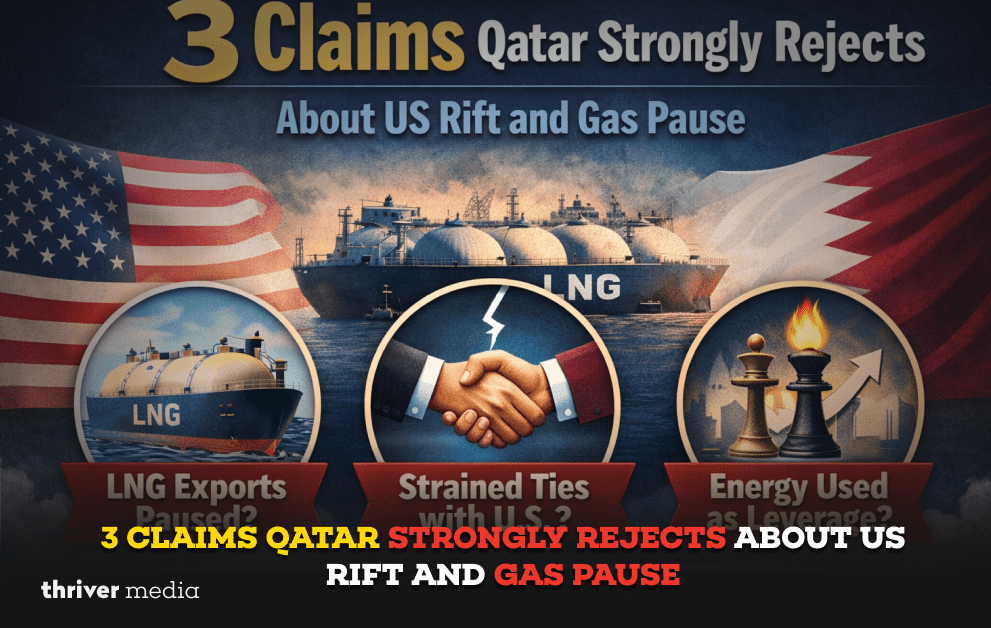
Qatar Executive Summary
The government in Doha has pushed back against recent reports suggesting growing tensions with Washington and speculation about a pause in liquefied natural gas shipments. Officials say such claims misrepresent the reality of a long-standing strategic partnership between the two countries.
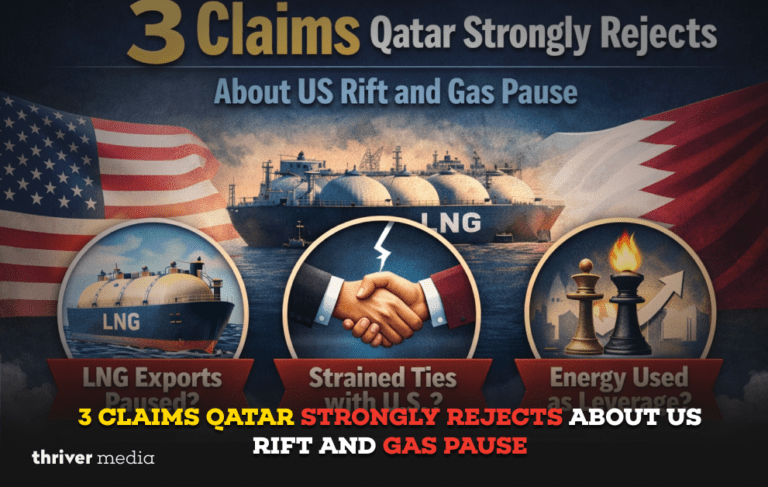
Authorities point to three narratives circulating in recent discussions: that gas exports could be halted, that policy disagreements are weakening bilateral ties, and that supply decisions are being used as diplomatic leverage. According to officials, these assertions are exaggerated or inaccurate. They stress that the country remains committed to stable global energy supplies and continues working closely with international partners, including the United States.
Representatives also note that export strategy is shaped primarily by long-term market stability and contractual commitments rather than political disputes. As a major supplier of liquefied natural gas, the nation says maintaining reliable deliveries and strong international relationships remains central to its energy policy.
Overview: Qatar-US Relations & Claims Summary
| Claim # | Claim Description | Context/Background | Qatar’s Position |
| Claim 1 | US-Qatar relations have deteriorated significantly | Recent geopolitical disagreements and policy misalignments reported in media | Relations remain strong; denies deterioration narrative |
| Claim 2 | Qatar pausing LNG exports to US over tensions | Supply reports and energy market speculation during diplomatic discussions | Firmly denies weaponizing energy; follows market principles only |
| Claim 3 | Qatar shifting partnerships away from US intentionally | Expansion of Qatar deals with Asian and European markets observed | Diversification is commercial strategy, not political retaliation |
Understanding the Context
Why These Claims Matter:
Energy security plays a central role in global stability. Even the perception that geopolitical tensions could disrupt LNG supply can influence markets, prices, and policy decisions worldwide. As a leading gas exporter, the Gulf nation remains strategically important to international energy infrastructure.
The Timeline:
These claims surfaced during wider Middle East policy discussions, ongoing engagement between Washington and the Gulf Cooperation Council (GCC), and shifting global demand for natural gas. Officials say their responses should be viewed within this broader regional context rather than as evidence of a specific dispute.
Key Takeaway:
Authorities emphasize that national energy policy is guided by contractual commitments, market conditions, and operational efficiency. They maintain that gas exports have never been used as a tool of diplomatic pressure.
The 3 Disputed Claims: Detailed Analysis
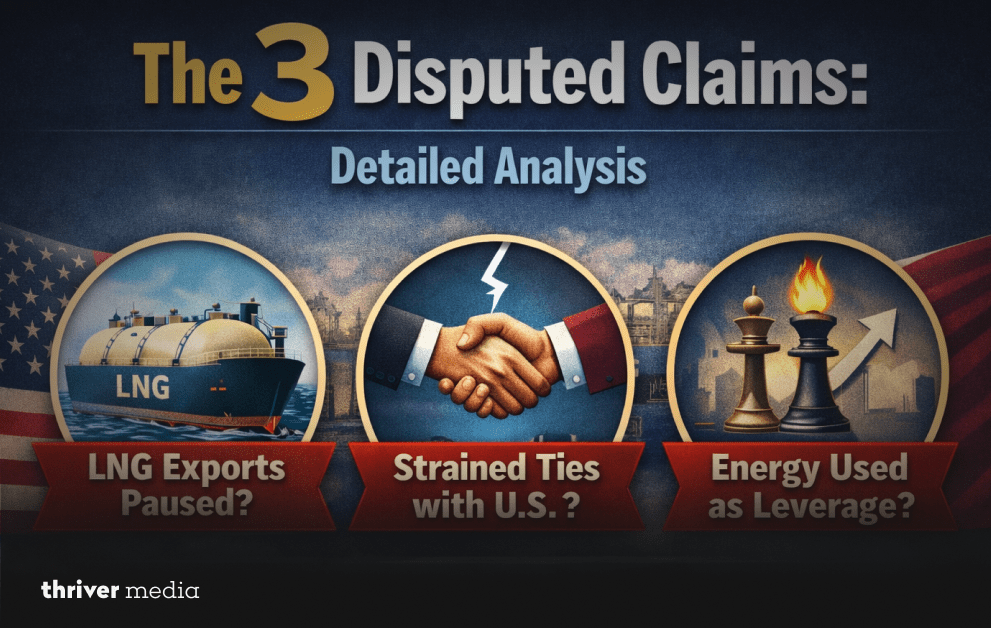
Claim 1: US-Qatar Diplomatic Breakdown
The Claim:
Some reports suggest that ties between Washington and the Gulf nation have significantly worsened following recent geopolitical developments.
Official Response:
Authorities say the partnership remains stable and cooperative, highlighting continued collaboration in regional security, counter-terrorism coordination, and long-standing energy partnerships. Officials dismiss claims of a diplomatic breakdown, pointing to ongoing military, intelligence, and economic cooperation between the two allies.
Claim 2: LNG Export Pause Due to Tensions
The Claim:
Some reports allege that LNG shipments to the United States are being paused or delayed in response to political tensions.
Official Response:
Authorities strongly reject the idea that energy exports are used as political leverage. They emphasize that supply decisions follow long-term contracts, market demand, and operational factors, with strict obligations that ensure reliable deliveries regardless of diplomatic disagreements.
Claim 3: Qatar Favoring Alternative Energy Partners
The Claim:
Some reports suggest the country is redirecting its energy partnerships away from the United States in favor of other markets.
Official Response:
Officials say their energy strategy is based on diversification and commercial opportunity, not political retaliation. Expanding partnerships with multiple countries reflects global demand and standard industry practice for managing supply risk, while cooperation with the United States continues.
Frequently Asked Questions
What is Qatar current LNG export capacity?
The Gulf state is among the world’s largest LNG exporters, with production capacity exceeding 77 million tons per year, making it a key player in global energy security.
How much LNG does Qatar export to the US?
The United States sources about 10–15% of its LNG from the Gulf exporter, while the rest increasingly comes from domestic shale output and other global suppliers.
Are US-Qatar relations actually strained?
Both countries continue to emphasize strong diplomatic ties, and while policy differences occasionally arise, there is no indication of a serious breakdown in relations.
What alternatives does Qatar have for LNG exports?
The country supplies LNG to Europe, Asia, and other regions, with new expansion projects focused on rising demand in India, China, and Southeast Asia.
Bottom Line
Doha’s official statements reject claims that its relationship with Washington is deteriorating or that energy exports are being used for political leverage. Authorities say many of the circulating reports misinterpret routine policy discussions and overstate tensions between the two long-standing partners.
In reality, cooperation between the two countries continues across security, diplomacy, and global energy markets. The Gulf state’s export strategy is largely shaped by commercial considerations, long-term supply agreements, and shifts in international demand.
Energy deals are structured as binding contracts negotiated years in advance. Because of that framework, supply decisions tend to follow economic logic and market stability rather than short-term diplomatic disputes.
Conclusion
While geopolitical tensions can occasionally arise between any two countries, Doha’s firm rejection of claims about strained ties with Washington and a possible LNG export pause deserves careful consideration. Current evidence indicates that energy supply decisions are largely shaped by market forces, long-term contracts, and shifts in global demand rather than political pressure.
Analysts note that the Gulf nation’s energy strategy has historically focused on stability and reliability in international markets. That approach has helped it maintain strong partnerships with major allies, including the United States.
Even so, observers will continue watching developments closely, since diplomacy and global energy markets often influence each other. For now, the relationship between the two countries remains strategically important, despite occasional policy differences.
At its core, managing natural gas exports is viewed in Doha as an economic decision tied to market realities not a geopolitical tool.
Disclaimer: The news and information presented on our platform, Thriver Media, are curated from verified and authentic sources, including major news agencies and official channels.
Want more? Subscribe to Thriver Media and never miss a beat.