
13th March 2026
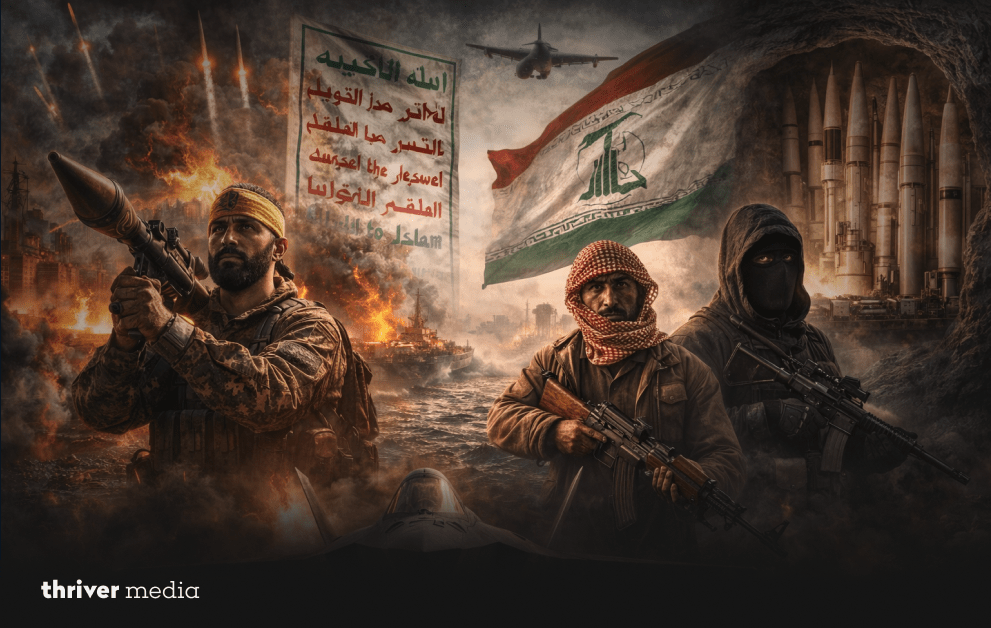
Urgent Reports Reveal Cabinet Members Securing Survival Shelters Amid Iran Conflict
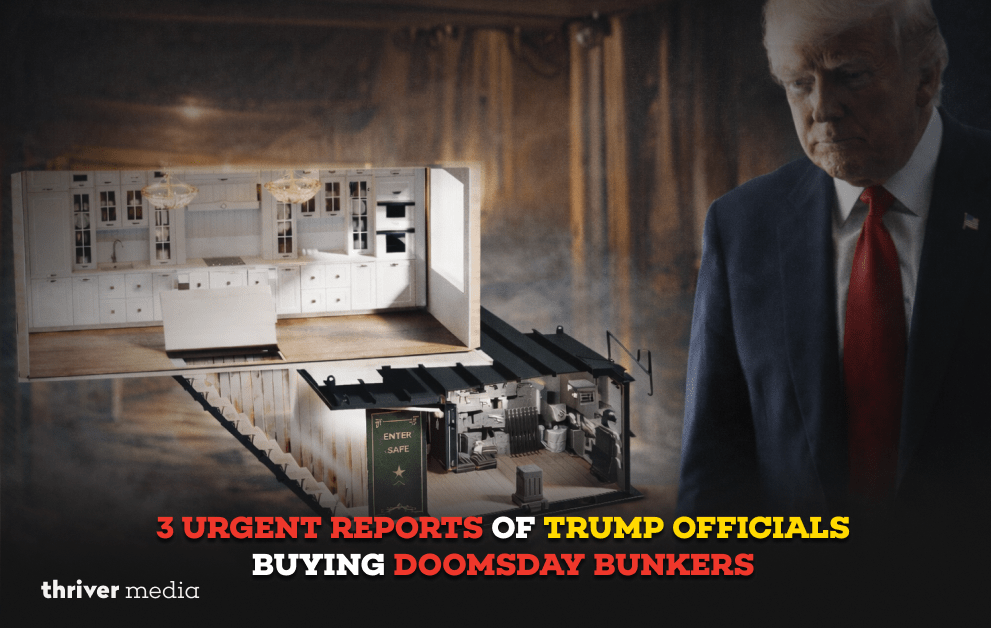
Secret Bunker Purchases by Trump Officials Spark New War Fears
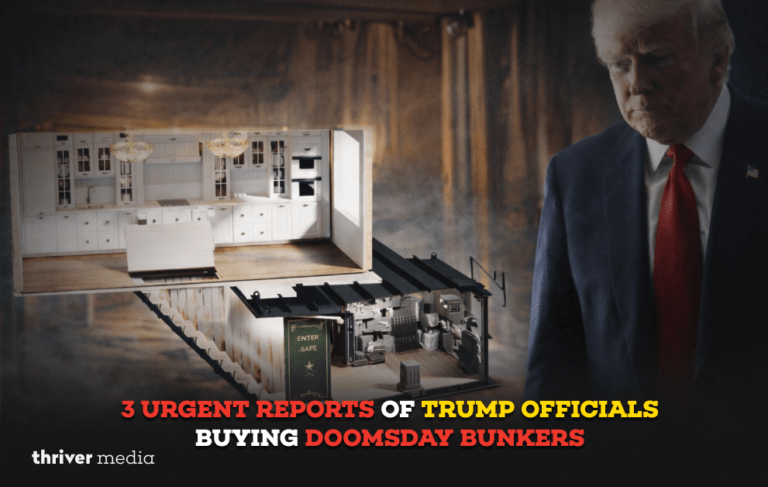
In a stunning revelation that reveals the private anxiety within the Trump administration, two senior Cabinet members have secretly purchased nuclear-proof survival bunkers from Texas-based Atlas Survival Shelters. The bunker manufacturer reported a staggering tenfold surge in orders since U.S. and Israeli military strikes on Iran in late February 2026. Business that typically generated $2 million monthly is now projected to reach $50 million raising alarming questions about what administration insiders privately fear about escalating Middle East tensions.
The Bunker Boom: 3 Context Behind the Panic-Buying
The timeline is critical. On February 28, 2026, the United States and Israel launched coordinated military strikes against Iran. Within days, inquiries for high-end nuclear bunkers exploded. Ron Hubbard, CEO of Atlas Survival Shelters, told The Telegraph: “I’ve been inundated with calls.” One of the Cabinet members texted him directly asking when their custom bunker would be ready a telling sign of urgency and genuine concern.
Hubbard refused to publicly identify the officials by name, citing privacy agreements, but confirmed they were senior Trump administration members. He also revealed that his customer base has expanded far beyond these two officials: most buyers are described as “Christian, conservative CEOs,” with several being among the wealthiest individuals on the planet.
Why Are Elites Buying Bunkers Now?
Escalating Middle East Conflict: U.S. Central Command is planning military operations through September 2026, contradicting Trump’s public statements about a rapid four-week resolution. This extended timeline concerns insider stakeholders.
Draft Reinstatement Fears: Political analysts warn the Iran conflict could trigger mandatory military conscription for the first time since Vietnam a scenario that concerns both officials and wealthy citizens.
Strait of Hormuz Crisis: The current standstill at the Strait of Hormuz is unprecedented in recorded history, creating unprecedented economic and strategic uncertainty.
Public vs. Private Messaging Gap: While Trump administration officials publicly downplay war escalation risks, their private actions purchasing multimillion-dollar survival bunkers suggest they privately assess the situation very differently.
Atlas Survival Shelters: Market Data & Specifications
| Metric | 2026 Baseline | Post-Iran Crisis |
| Monthly Sales | $2 million | $50 million+ |
| Order Surge | Baseline | 10X increase |
| Bunker Cost Range | $200K | $5 million |
| Cabinet Members Purchasing | 0 | 2 confirmed |
Frequently Asked Questions
Which Trump officials purchased bunkers?
Ron Hubbard, CEO of Atlas Survival Shelters, says two senior Trump Cabinet members privately purchased bunkers but declined to reveal their names due to confidentiality agreements.
What protections do these nuclear bunkers provide?
Premium Atlas bunkers are designed to survive nuclear, EMP, and missile threats while high-end $5M models include luxury features like pools, underground farms, cinemas, armories, and long-term food storage.
Why is demand surging specifically now?
Late February 2026 U.S.-Israeli strikes on Iran, plans for a prolonged conflict, and Strait of Hormuz disruptions have fueled urgency among wealthy buyers seeking secure bunkers.
Who else is buying bunkers?
Hubbard says many bunker buyers are wealthy conservative CEOs and billionaires, with some potential clients even approached during meetings at Mar-a-Lago.
What’s the disconnect between public and private actions?
One Cabinet member’s urgent message requesting faster bunker completion suggests that some insiders may privately anticipate a longer or riskier conflict than the optimistic public timeline implies.
Bottom Line: What This Reveals
When senior government officials privately purchase multimillion-dollar nuclear bunkers while publicly downplaying conflict risk, it signals a stark divergence between official messaging and genuine threat assessment. The tenfold surge in elite bunker demand, projected sales jumping from $2M to $50M monthly, and Cabinet members’ urgent bunker inquiries together paint a picture of institutional anxiety that contradicts Trump administration public statements. Markets and media can interpret this divergence as a warning: those with insider knowledge are hedging against worst-case scenarios.
Conclusion: The Bunker Boom as Political & Economic Indicator
The 2026 doomsday bunker surge among Trump administration officials is more than a salacious news story it’s a crucial economic and geopolitical bellwether. When America’s elite start fortifying private bunkers against nuclear apocalypse, rational observers should ask why. The answers are sobering:
- Trump’s Iran policy carries escalation risks that administration insiders privately assess as genuinely severe.
- Public messaging about conflict duration (4 weeks) appears inconsistent with Pentagon planning horizons (September).
- Elite preparedness behavior often precedes broader market reactions and policy shifts.
- Geopolitical stability is less assured than official rhetoric suggests.
As U.S. Central Command plans operations through September and the Strait of Hormuz remains closed for the first time in recorded history, the bunker boom serves as a powerful reminder: when those with access to classified intelligence start securing survival shelters, the risk premium for global conflict has genuinely increased. The question for markets and voters is not whether the bunkers are necessary it’s why insiders believe they might be.
Source Link: https://newrepublic.com/post/207516/donald-trump-officials-buying-bunkers-iran
Disclaimer: The news and information presented on our platform, Thriver Media, are curated from verified and authentic sources, including major news agencies and official channels.
Want more? Subscribe to Thriver Media and never miss a beat.