


22nd January 2026

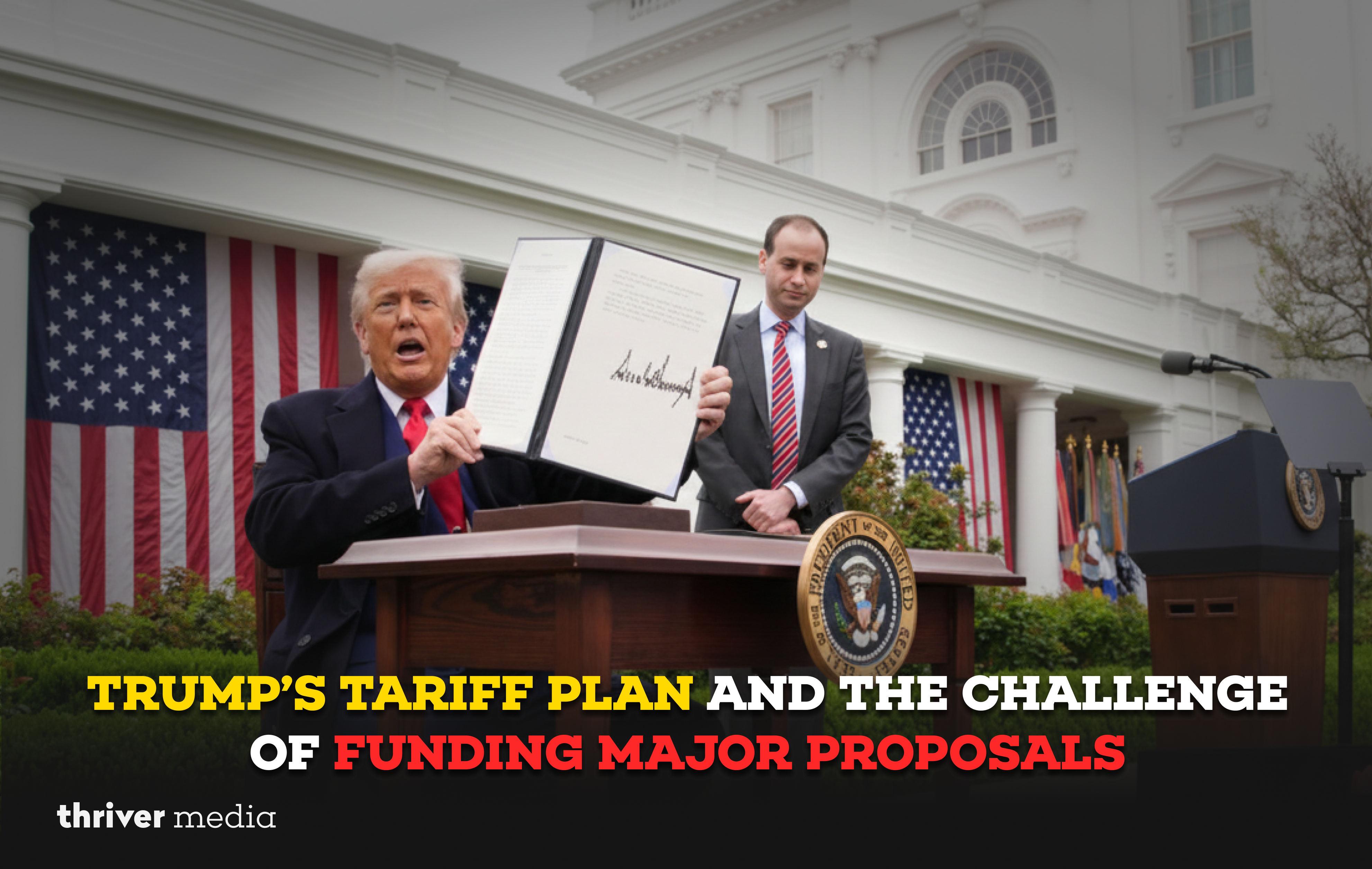
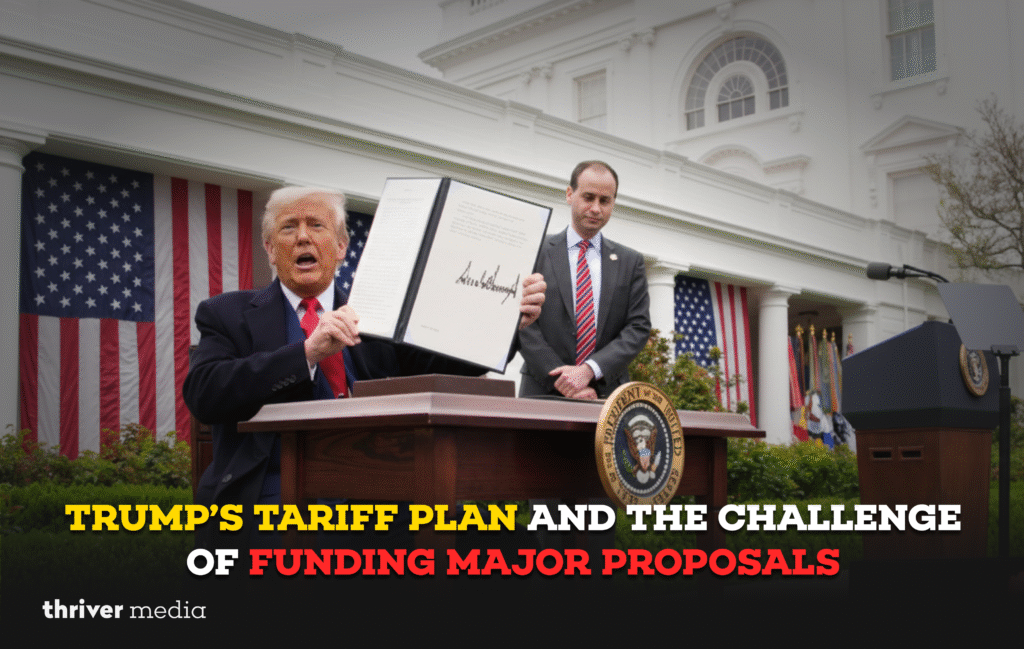
In American politics, grand proposals often come with even grander price tags. From infrastructure and tax cuts to defense and social programs, the question of “how to pay for it” is a constant in policy debates. Former President Donald Trump has introduced a bold answer to that question, one that harks back to an earlier era of American economics: using broad-based tariffs on imports as a major revenue engine.
This approach ties together two headline-grabbing promises: a more aggressive trade posture toward China and other nations, and the funding of large-scale domestic initiatives. The central idea is that money collected at the border can help finance priorities at home. But this raises a critical and complex question: can the revenue from tariffs realistically cover the cost of major government proposals, or does the math reveal a significant funding gap?
Key Takeaways
- What Trump’s tariff plan proposes: A universal baseline tariff on most imports, with significantly higher rates for certain countries like China.
- How tariffs generate government revenue: U.S. importers pay these taxes, and the Treasury collects the revenue.
- The funding gap: The scale of proposed spending on programs like tax cuts and infrastructure vastly outpaces even the most optimistic projections of tariff revenue.
- Impact on U.S. consumers and businesses: Higher import costs typically lead to increased consumer prices and supply chain expenses for companies.
- Global trade and diplomatic effects: Such a policy risks triggering retaliatory tariffs from trading partners, disrupting global supply chains, and escalating trade tensions.
Table of Contents
What Are Tariffs, and What’s Being Proposed?
In simple terms, a tariff is a tax on imported goods. U.S. companies pay it when they bring products into the country. Many then raise prices to cover the added cost.
Trump’s proposal centers on sharply increasing these taxes. The plan has often mentioned a universal 10% baseline tariff on nearly all imports from every trading partner. It also calls for much higher “reciprocal” tariffs on Chinese goods. In some cases, those rates could exceed 60%.
The proposal has three main goals. First, it aims to generate significant new government revenue. Second, it seeks to protect and boost domestic manufacturing by making foreign goods more expensive. Third, it tries to strengthen the U.S. position in trade talks by making access to its market more conditional.
How Does Tariff Revenue Actually Work?
It’s crucial to understand the mechanics. When a shipment of goods arrives at a U.S. port, the American importer (a retailer, manufacturer, or distributor) pays the tariff to U.S. Customs and Border Protection. This money flows into the U.S. Treasury as federal revenue.
Historically, tariffs were the federal government’s primary income source in the 19th century. However, as the economy exploded in size and the government’s role expanded, they became a much smaller piece of the pie. In the modern era, even during the trade disputes of the last decade, tariff revenue has been a modest income stream. For context, in 2023, the U.S. collected about $80 billion in customs duties. While a large sum, it represented less than 2% of total federal revenue, which is dominated by income and payroll taxes.
The Core Funding Challenge: Ambition vs. Arithmetic
Here lies the central tension. Major policy proposals whether extending the 2017 tax cuts, launching large infrastructure projects, or enhancing defense spending carry costs that can run into the trillions of dollars over a decade.
Even with aggressive tariff rates, projected revenues face a hard ceiling. Most economic analyses estimate that a 10% universal tariff could raise, at most, several hundred billion dollars annually. This is because higher tariffs don’t just generate revenue; they also alter behavior. They can reduce the volume of imports as goods become more expensive, and they may spur retaliation that hurts U.S. exports.
Furthermore, some proposals involve using tariff revenue to offset income tax cuts. This creates a circular challenge: the revenue from new tariffs would need to fill the multi-trillion-dollar hole left by reduced income tax collection. Most nonpartisan budget experts conclude that there is a vast gap between the scale of proposed spending and tax cuts and the revenue that tariffs could reliably generate.
Impact on the U.S. Economy: Winners, Losers, and Inflation
The domestic economic impact is where theory meets the kitchen table.
- Consumer Prices: Most economists agree that tariffs act as a tax on consumers. When importers pay more for goods, they generally pass those costs along. This could mean higher prices for everything from electronics and clothing to automobiles and components used in homebuilding.
- Business Supply Chains: Companies that rely on imported parts or materials face higher production costs. This can squeeze profits, force difficult decisions about absorbing costs, and potentially lead to layoffs or reduced investment. Some businesses, however, may benefit from reduced foreign competition.
- Jobs and Manufacturing: Proponents argue that making imports more expensive will spur a “reshoring” boom, bringing manufacturing jobs back to the U.S. Critics counter that modern supply chains are deeply integrated and that retaliation could cost more jobs in export-focused industries like agriculture and aerospace.
- Inflation: Injecting widespread new costs into the economy is generally seen as inflationary, potentially complicating the Federal Reserve’s efforts to maintain price stability.
The Global Ripple Effect: Trade, Retaliation, and Diplomacy
A policy of this magnitude would not occur in a vacuum. The global impact would be significant.
- Retaliatory Tariffs: Major trading partners like the European Union, Canada, Mexico, and China would almost certainly respond with tariffs on U.S. exports. This was observed during the previous trade disputes, where American farmers and manufacturers faced steep barriers in key markets.
- Supply Chain Disruption: Global supply chains, still recovering from recent shocks, would face new uncertainty and inefficiency, potentially slowing global economic growth.
- Diplomatic Strains: Using tariffs as a primary tool can strain diplomatic relations, moving discussions away from cooperation and toward transactional, zero-sum negotiations.
Major Drawbacks and Risks to Consider
Beyond the immediate economic effects, several structural risks are inherent in relying on tariffs as a major funding source:
- Regressive Consumer Tax: Tariffs tend to hit lower- and middle-income households hardest, as they spend a larger share of their income on affected goods.
- Revenue Uncertainty: Tariff income is highly volatile. It depends on trade volumes, which can plummet during economic downturns or due to retaliation, making it an unreliable budget cornerstone.
- Political and Legal Challenges: Implementing such sweeping changes would face legal scrutiny and intense lobbying from affected industries, both domestic and foreign.
- Potential for Job Loss: While some manufacturing jobs might be created, jobs in industries reliant on exports or affordable imports could be lost, with no guarantee of a net gain.
Quick Policy Snapshot: At a Glance
Before getting into the economic debate and political arguments, it helps to see the tariff plan in simple terms. This snapshot lays out what the proposal aims to do, where the money would come from, and how it could affect both domestic markets and global trade.
| Aspect | Details |
| Policy Type | Import Tariff Plan |
| Primary Goal | Revenue generation & trade leverage |
| Revenue Source | Taxes on imported goods |
| Intended Use | Funding large-scale proposals |
| Domestic Impact | Prices, manufacturing, consumers |
| Global Impact | Trade relations & supply chains |
This overview captures the core of the discussion: using tariffs as a revenue engine sounds straightforward, but the real-world effects ripple through households, businesses, and international trade networks.
FAQ
A tariff is a tax that a government places on goods coming into the country from abroad. The U.S. importer pays the tax at the border.
The U.S. importing company pays the tax directly to the government. However, these companies typically raise the prices of their goods to cover the cost, meaning the financial burden is ultimately shared with American consumers and businesses.
While tariffs generate revenue, most economic analyses show that even steep, across-the-board tariffs would likely fall trillions of dollars short of funding major, multi-trillion-dollar proposals like permanent tax cuts or vast infrastructure plans.
Most economists and historical evidence suggest yes. Tariffs increase the cost of imported goods and domestic goods that compete with them, which typically leads to higher prices for a wide range of products.
Yes, this is a common and expected response. Trading partners often retaliate with their own tariffs on U.S. exports, which can hurt American farmers, manufacturers, and workers in those industries.
The Bottom Line
The fundamental challenge of using tariffs to fund major proposals is one of scale. Tariffs can raise significant revenue, but the amounts discussed are orders of magnitude smaller than the costs of the ambitions they are meant to finance. This suggests tariffs would need to be part of a much broader and likely more painful fiscal strategy involving spending cuts, new taxes elsewhere, or increased borrowing.
The debate, therefore, is less about a simple funding swap and more about a fundamental recalibration of U.S. trade and fiscal policy, with trade-offs that include higher consumer costs, potential inflationary pressure, and global economic friction.
Conclusion
The discussion around tariffs as a funding tool is a powerful reminder that economic policies are interconnected. A change in trade policy doesn’t just affect imports and exports; it ripples through federal budgets, household wallets, and global alliances. As voters and markets assess these proposals, the key is to look beyond the headline promise of “other countries paying” and examine the full chain of cause and effect. The enduring question will be whether the promised benefits of such a shift in revenue, jobs, and industrial policy would outweigh the very real costs and risks it introduces to the economic landscape.
Official Source
For specific policy details and positions, readers should refer to official campaign policy statements and U.S. government trade data from agencies like the U.S. International Trade Commission and U.S. Census Bureau.
Disclaimer: The news and information presented on our platform, Thriver Media, are curated from verified and authentic sources, including major news agencies and official channels.
Want more? Subscribe to Thriver Media and never miss a beat.