
10th March 2026

The bombs are already on the tarmac. The paperwork was signed in the dead of night. And Congress the very body meant to check the president’s power was left in the dust.
On March 6, 2026, Secretary of State Marco Rubio did something that hasn’t happened often in American history. He declared an “emergency.” Not a natural disaster. Not a cyberattack on the homeland. An emergency that required 12,000 heavy bombs to be shipped to Israel immediately skipping the congressional review that lawmakers insist is there for a reason. This isn’t peacetime logistics. This is wartime acceleration. And it comes exactly one week after the US and Israel launched the strike that killed Iran’s Supreme Leader and plunged the Middle East into its most dangerous crisis in decades.
The Midnight Waiver: How 12,000 Bombs Bypassed Democracy
When the Arms Export Control Act was written, it included Section 36(b) for a reason. Congress wanted a say. They wanted to debate whether sending massive amounts of American firepower to a conflict zone was a good idea. But Section 36(b) has a loophole one Rubio just drove a truck through.
The Emergency That Wasn’t
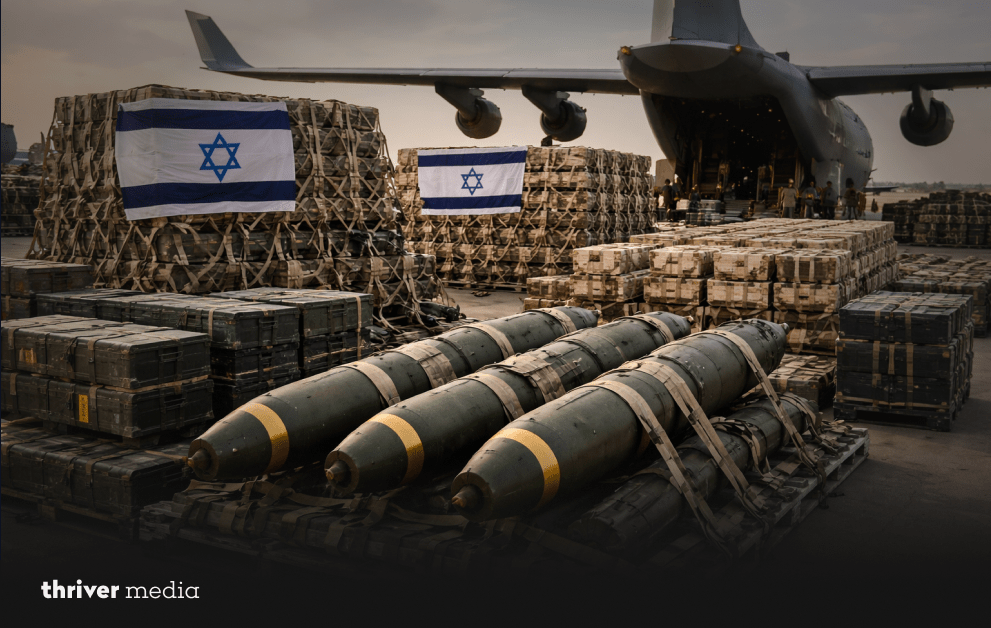
The Secretary of State determined that an “emergency exists that requires the immediate sale” to Israel, and that this sale is in the “national security interests of the United States”. The emergency? Israel needed bombs. Specifically, they needed 12,000 BLU-110A/B general-purpose bomb bodies each weighing 1,000 pounds. These aren’t precision-guided marvels. They’re the blunt instrument of modern warfare, designed to be dropped from aircraft onto targets below. According to Defense Mirror, these very bombs were recently used in the assassination of the Iranian supreme leader and his top commanders.
The Contractor Cashing In
The deal also includes engineering, logistics, and technical support services from both the US government and private contractors. The principal contractor is Repkon USA, based in Garland, Texas. Part of the bomb bodies will come from existing US military stockpiles meaning the Pentagon is literally pulling weapons off its own shelves to ship to Israel. The rest will be newly manufactured, keeping the production lines humming and the profits flowing.
The $650 Million Question: What Else Is in the Pipeline?
Here’s where it gets interesting. The $151.8 million deal announced publicly is just the tip of the iceberg.
The Bombs They Didn’t Tell You About
According to The New York Times, the State Department’s announcement on March 6 was only part of the story. Sources familiar with the negotiations revealed that the current round of arms sales also includes 10,000 500-pound bombs and 5,000 small diameter bombs. Combined with other services and accessories, these additional weapons are valued at over $500 million.
The Commercial Backdoor
But wait, there’s more. An anonymous State Department official told Reuters that Israel will also be purchasing an additional $298 million worth of “critical ammunition” through direct commercial sales. That’s separate from the government-to-government Foreign Military Sale. That’s private companies cutting private deals. When you add it all up the $151.8 million for the 12,000 bombs, the $500 million for the additional munitions, and the $298 million for commercial sales you’re looking at roughly $950 million in new weaponry flowing to Israel in a single week. And Congress got to vote on exactly none of it.
The Political Firestorm: Democrats Cry Foul
The backlash was immediate. And it came from the very people Rubio just cut out of the process.
“A Self-Created Emergency”
Representative Gregory Meeks, the top Democrat on the House Foreign Affairs Committee, did not mince words. In a scathing statement, he said that Rubio’s decision to invoke emergency authority exposed the Trump administration’s “lack of preparation” for the war they started. “The Trump administration repeatedly claimed to be fully prepared for this war,” Meeks said. “Yet now they are hastily invoking emergency authority to bypass congressional oversight, which highlights the opposite. This emergency is a consequence of the Trump administration’s own actions”.
The Irony of the Waiver
Meeks’s point is sharp. The administration spent weeks insisting that the military was ready, that the plans were in place, that the strikes on Iran were carefully calibrated. But if that were true, why the rush? Why the need to bypass Congress if the stockpiles were already full? The waiver suggests the opposite of readiness. It suggests that the bombs are running low and the Pentagon needs to restock Israel’s arsenal fast before the next wave of strikes.
The Strategic Context: Why Now?
To understand why this sale is happening, you have to understand what happened on February 28, 2026.
The Strike That Changed Everything
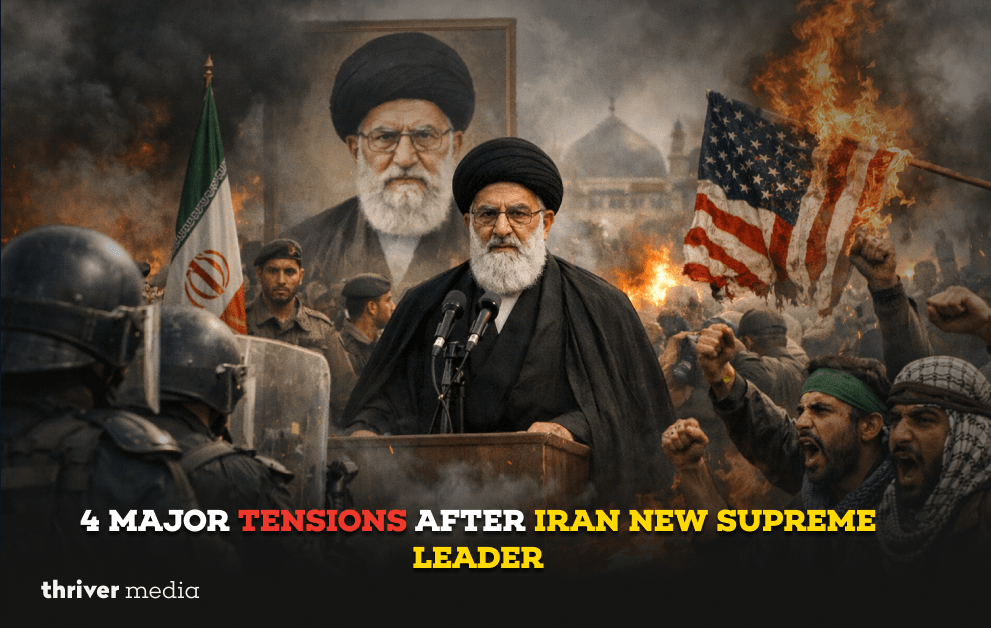
On that day, the US and Israel launched massive attacks on Iran. The target list included the compound of Supreme Leader Ali Khamenei. When the dust settled, Khamenei was dead. So were multiple senior military commanders. So were hundreds of civilians. The strike also killed members of Khamenei’s family his son Mojtaba lost his wife, mother, sister, and nephews.
Iran’s Response
Iran did not sit idle. In the days following the assassination, Iran launched multiple waves of missile and drone attacks targeting Israel and US assets across the region. The war is no longer a shadow conflict. It is a direct, open, and escalating exchange of fire between two nuclear-capable powers and their superpower backer.
The Numbers Behind the Headlines
FAQs
What exactly did the US approve selling to Israel?
The official deal includes 12,000 BLU-110A/B 1,000-pound bomb bodies, along with engineering, logistics, and technical support services. However, additional unreported sales include 10,000 500-pound bombs, 5,000 small diameter bombs, and $298 million in critical ammunition.
Why did they bypass Congress?
Secretary of State Marco Rubio invoked an emergency waiver under Section 36(b) of the Arms Export Control Act. He determined that an “emergency exists that requires the immediate sale” to Israel in the national security interests of the United States.
What is the BLU-110A/B bomb?
It’s a 1,000-pound general-purpose bomb body. It doesn’t have a guidance system on its own it’s the “dumb” part of a “smart” bomb, designed to be fitted with guidance kits or simply dropped as unguided ordnance. These specific bombs were reportedly used in the assassination of Iran’s Supreme Leader.
The Bottom Line
The emergency waiver wasn’t about a sudden, unforeseen threat. It was about logistics. The bombs are running low, and the administration needs to keep its partner supplied for the next phase of the war. By bypassing Congress, Rubio avoided the uncomfortable questions that lawmakers might have asked: How many bombs have already been dropped? How many civilians have been killed? And how long is this war supposed to last? The answers, apparently, are not for public consumption.
Conclusion
As the 12,000 bomb bodies make their way from Texas to the Middle East, the political fallout is just beginning. The emergency waiver has exposed the gap between the administration’s confident rhetoric and its frantic behind-the-scenes scramble to keep the arsenal stocked. Representative Meeks and other Democrats are vowing to scrutinize the decision, but scrutiny comes after the fact. The bombs are already on the move. The war is already escalating. And Congress, the body constitutionally empowered to declare war and control the purse strings, was left reading about it in the news. The next few weeks will determine whether this “emergency” was a one-time logistical fix the new normal for a superpower at war.
Official Source Link: https://www.bernama.com/en/world/news.php?id=2531487
Disclaimer: The news and information presented on our platform, Thriver Media, are curated from verified and authentic sources, including major news agencies and official channels.
Want more? Subscribe to Thriver Media and never miss a beat.