
Geopolitical Analysis | February 28, 2026
US-Iran Diplomacy on a 72-Hour Clock as War Risk Surges
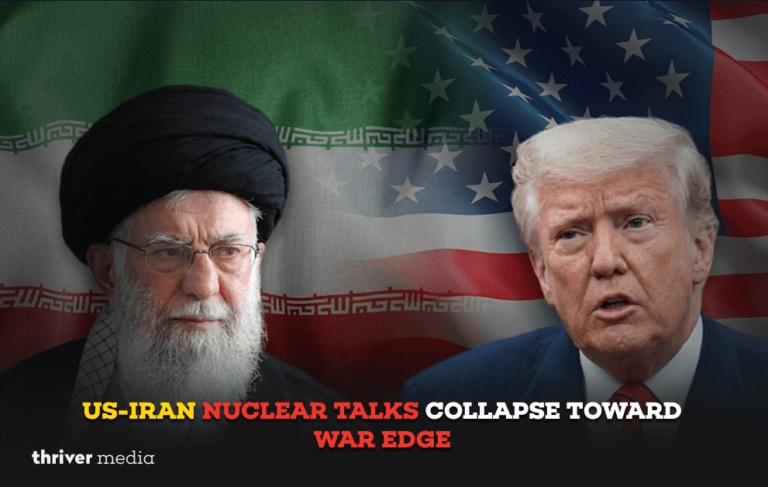
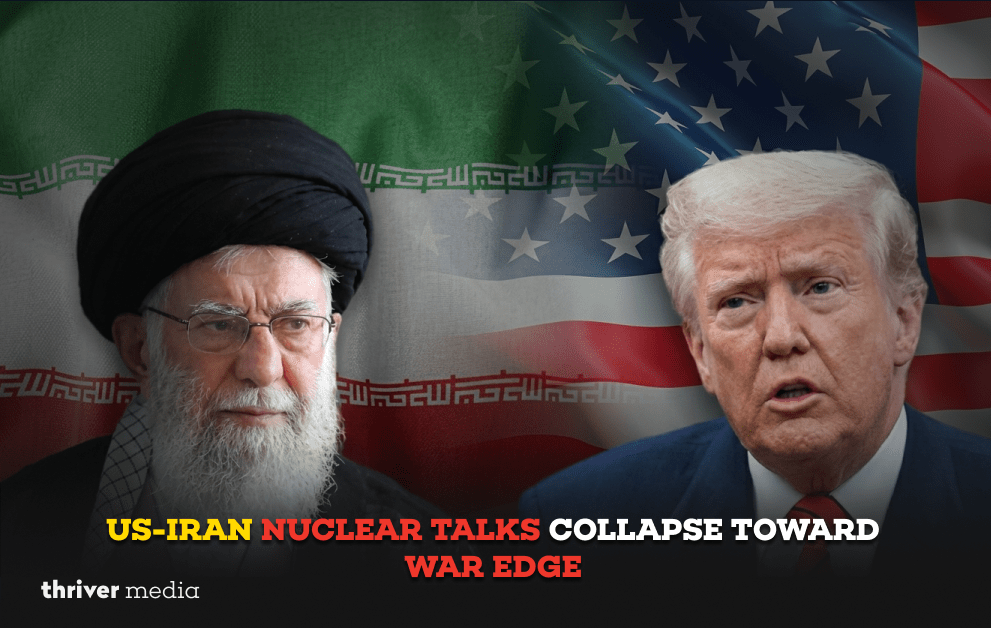
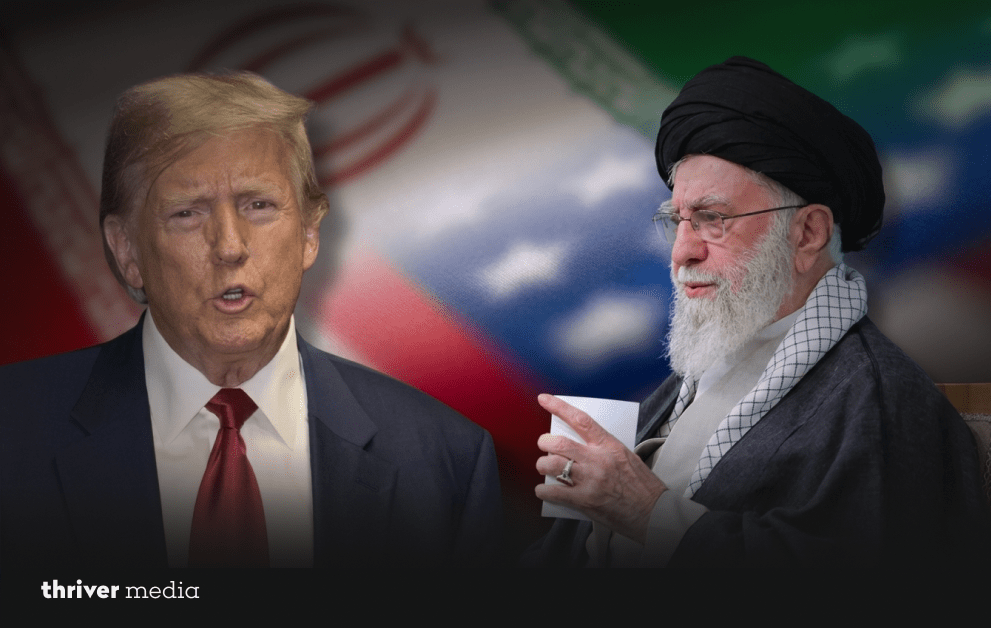
The divide between Washington and Tehran has grown in the last day. President Trump recently said he is “not happy” with Iran’s negotiating stance, showing the administration’s frustration with slow progress. While Oman’s foreign minister remains hopeful about a “peace deal within reach,” the gap between US demands and Iran’s positions now seems impossible to bridge, and a solution is needed within days. US military forces are on standby, and Congress is debating War Powers authorisation. The chance for diplomacy is fading fast. If neither side changes course in the next 72 hours, talks will likely collapse, leaving military action as the administration’s main option.
Washington’s Non-Negotiable Demands: The Maximalist Redline
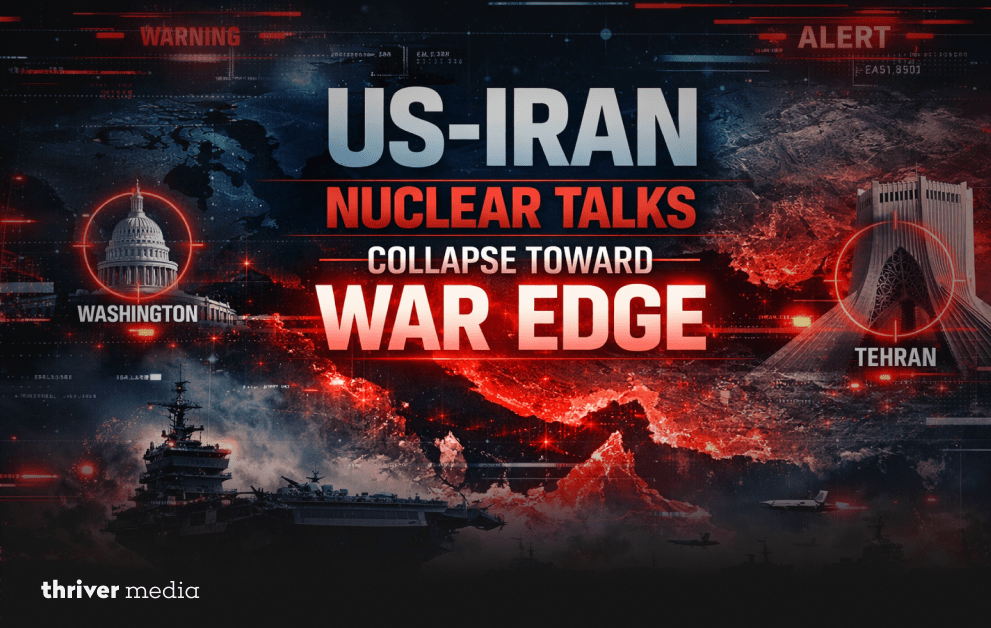
Trump’s unhappiness shows the US is standing firm on its tough demands. The US has five requirements that it says cannot be negotiated, each tied to a part of Iran’s nuclear program.
The Trump administration insists on zero uranium enrichment in Iran, demanding that the country end all domestic enrichment. This is not about setting limits, but about banning enrichment entirely. The 2015 JCPOA allowed Iran to enrich uranium up to 3.67 per cent for civilian use, but Trump’s stance allows no enrichment or related technology at all. This is the hardest demand for Iran, since it would mean giving up a key part of its nuclear program and relying on foreign fuel suppliers.
The second firm US demand is that Iran dismantle its main enrichment sites, Fordow and Natanz. Removing these facilities would mean tearing down years of scientific work, and rebuilding them would take a long time and outside help. Since Iran views its nuclear program as a sign of progress and independence, this demand is politically very difficult for its leaders.
The third US demand is that Iran must get rid of or convert its uranium stockpiles. The US wants Iran to export all uranium enriched above 20 per cent, especially the 240 kilograms of 60 per cent material at Natanz. Whether Iran sends it abroad or dilutes it is less important the key point is that this uranium must leave Iran or be made harmless. The US sees this material as the most dangerous part of Iran’s nuclear program because it is close to weapons-grade.
The last main US demand is that restrictions on Iran’s nuclear program must be permanent, with no expiration dates. The administration rejects the 10 to 15-year limits in the JCPOA and wants any deal to last indefinitely. This shows the US does not trust Iran’s intentions and believes that temporary deals only postpone the problem.
Taken together, these demands would force Iran to give up its ability to enrich uranium, dismantle its nuclear sites, export important materials, and allow ongoing international inspections. Iran’s leaders, especially Supreme Leader Khamenei and the Revolutionary Guard Corps, see this not as a negotiation, but as surrender.
Oman’s Optimism: Misreading the Room or Strategic Hope?
Badr Al Busaidi remains optimistic, in stark contrast to Trump’s scepticism. The Omani foreign minister has described the recent talks as “substantial” and believes a peace deal is “within reach” if they continue. This shows Oman truly believes a compromise can be made.
Oman is still seen as a trustworthy go-between, having helped the West and Iran engage in talks for many years. The country has no sectarian bias, territorial disputes, or strong opposition to Iran. Sultan Haitham bin Tariq has kept Oman in this neutral role. Busaidi’s optimism comes from hints that Iran might be open to technical steps like down-blending stockpiles, IAEA checks, and converting uranium.
Still, Oman’s optimism might mistake technical progress for real agreement on the big issues. Iran seems willing to talk about managing stockpiles and allowing inspections, since both sides care about safety. But these steps do not solve the main political problem: Iran will not dismantle Fordow and Natanz or agree to zero enrichment. Oman might be giving Trump a way to claim some success, but Trump wants a full deal. This gap is at the heart of the current deadlock.
Iran’s Immovable Red Lines: Sovereignty Over Compromise
Foreign Minister Abbas Araghchi’s recent comments show Iran’s tough stance in the talks. Tehran has said no to zero enrichment, will not dismantle its nuclear sites, and wants all sanctions lifted. These are not just starting points, but firm red lines that matter a lot in Iranian politics.
Iran’s strategy rests on three core pillars.
First, preserving nuclear facilities is framed as a matter of national sovereignty. Fordow and Natanz are not just enrichment sites they are symbols of scientific progress and resistance to foreign pressure. Dismantling them would be portrayed domestically as surrender, risking political backlash and internal instability.
Second, uranium enrichment gives Iran strategic leverage. Even low-level enrichment keeps technical expertise alive and preserves the ability to scale up if needed. Without that capability, Tehran would be dependent on foreign suppliers and lose a key bargaining chip in regional power dynamics.
Third, sanctions relief is non-negotiable. Iran wants meaningful removal of oil, banking, and trade restrictions before making major nuclear concessions. From Tehran’s perspective, giving up enrichment capacity without guaranteed economic relief would mean surrendering leverage for nothing.
In practical terms, Iran is offering to reduce its immediate nuclear hedge through stockpile dilution and enhanced monitoring while keeping the infrastructure intact. That allows Tehran to de-escalate pressure without permanently closing the door on future capability.
This incremental approach directly clashes with Trump’s maximalist demands, which seek permanent dismantlement rather than temporary restraint.
Military Pressure: Accelerating Escalation or Negotiating Tool?
The Trump administration’s military posture is no longer just rhetoric.
The USS Gerald R. Ford carrier strike group has joined other US naval assets in the Persian Gulf. This is not symbolic positioning. It is a visible escalation designed to reinforce diplomatic pressure with credible force.
At the same time, the Pentagon is conducting drills simulating strikes on Iranian nuclear facilities. These exercises are meant to signal operational readiness, not hypothetical planning.
Congress is debating War Powers authorization, another sign that Washington is preparing for potential action. Even if no vote has occurred, the discussion alone reflects how serious the moment has become.
The US Embassy in Israel has also authorized voluntary departure for non-essential staff. Historically, such moves often precede periods of regional instability.
Military pressure works only if the opponent believes two things: that force will actually be used, and that compromise is less costly than conflict.
Iran appears to accept that strikes are possible if talks collapse. But from Tehran’s perspective, surrendering enrichment rights and dismantling facilities may be more dangerous politically than absorbing limited military retaliation.
Reports suggest Iranian planners are preparing contingency responses, including potential strikes on US bases and shipping routes in the Strait of Hormuz. That posture signals deterrence, not capitulation.
In short, both sides are signaling resolve and that symmetry increases the risk of miscalculation.
Military tensions are already pushing up global oil prices amid expectations of potential supply problems. As the risk of conflict is priced in, it gets harder for leaders to calm things down, since higher energy prices have quick economic effects.
Vienna: The Last Technical Window Before Political Breakdown
Technical talks will start again in Vienna next week, with IAEA Director-General Rafael Grossi taking part. The goal is to work out the details of inspections, stockpile management, and facility conversions. But these technical talks only matter if there is a strong political agreement, which is missing right now.
The Vienna talks will likely clarify the next steps. If Iran is willing to compromise on dismantling facilities and limiting enrichment, Trump might accept a partial deal and claim a win, even if it is not everything he wanted. If Iran does not change its position and both sides repeat their views, talks will probably end, and Trump will have a reason to move toward military action.
The IAEA has an important but limited job in Vienna. Grossi can talk with Iran about inspections, schedules, and monitoring technology, but he cannot negotiate the main political issues like zero enrichment or dismantling sites. Those decisions are up to Khamenei in Tehran and Trump in Washington.
Scenario Analysis: Three Paths Forward
Scenario 1: Partial Agreement
In this scenario, Iran would keep enrichment below 20 per cent, dilute its 60 per cent uranium, and grant the IAEA greater access, in return for some sanctions relief on oil and banking. Fordow and Natanz would stay open but under monitoring. Trump would claim he did better than the last president. This is the most likely technical solution and the one Oman is pushing for, with a 30 per cent chance.
Scenario 2: Stalemate and Frozen Conflict
Vienna talks. In this scenario, the Vienna talks do not lead to a breakthrough. Both sides stick to their positions. Trump extends the talks, showing he is still open to negotiation, but keeps the military threat in place. Diplomacy stalls: talks go on without progress, tensions stay high, but neither side escalates. This situation could last for months, with a 35 per cent chance.: Escalation and Conflict
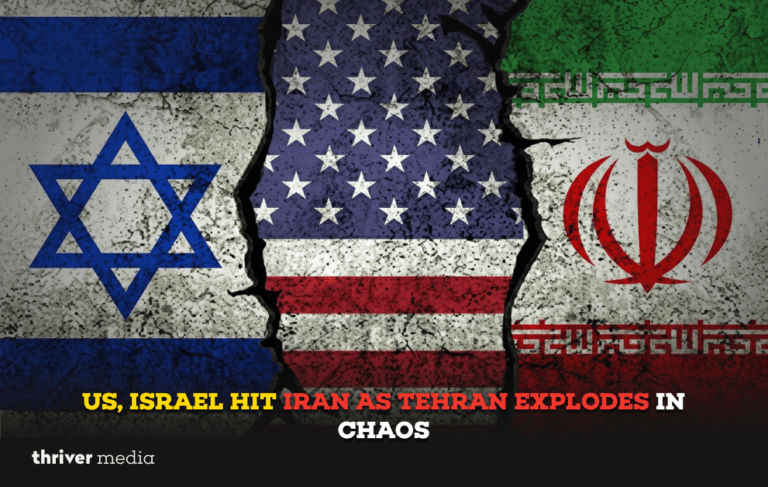
Trump determines that diplomatic channels are exhausted and authorises military strikes targeting Natanz, Fordow, and other nuclear facilities. Iran responds with missile and drone attacks on US bases in the region and harassment of shipping in the Strait of Hormuz. Israel enters the conflict to degrade Iranian military capabilities. Regional allies are drawn in. Oil prices spike, global markets convulse, and the conflict escalates beyond initial military operations, with a 35 per cent probability.
Comparative Position Matrix
The following table outlines the key structural gaps that Vienna must address:
| Issue | U.S. Demand | Iran’s Position | Gap Level |
| Uranium Enrichment | Zero domestic enrichment; all fuel imported | 3–5% civilian enrichment; sovereign right under NPT | UNBRIDGEABLE |
| Nuclear Facilities | Dismantle Fordow and Natanz completely | Maintain all facilities under IAEA monitoring | UNBRIDGEABLE |
| Uranium Stockpiles | Export or irreversibly dilute all 60% material | Down-blend in-country; maintain technical knowledge | BRIDGEABLE |
| Sanctions Relief | Conditional on continuous verification | Comprehensive and immediate lifting | HIGH |
| Deal Duration | Permanent restrictions with no expiration | Sunset clauses after 8–10 years | MODERATE |
Frequently Asked Questions
Why won’t Trump accept a partial deal?
He sees the 2015 deal as flawed and wants a permanent, comprehensive agreement.
A limited deal would undercut his “maximum pressure” narrative at home.
Can Iran realistically accept zero enrichment?
No, it would force permanent reliance on foreign fuel suppliers.
Domestically, it would be viewed as a surrender and a threat to regime stability.
Is Oman’s optimism justified?
There is room for improvement in technical steps, such as stockpiles and inspections.
But the core political disputes remain largely unresolved.
What triggers military action?
If Vienna talks show no meaningful shift on enrichment or dismantlement.
The decision hinges on whether Trump concludes diplomacy has run its course.
How do Gulf states view the escalation risk?
They support pressure on Iran but fear the fallout of a regional war.
Israel favours decisive action, while Gulf states prioritise stability.
What is the oil market impact of escalation?
Conflict could sharply disrupt supply, especially through the Hormuz Strait.
Prices could surge dramatically, shaking global energy markets.
The Bottom Line
The structural gap. The main differences between US demands and Iran’s red lines now seem impossible to bridge in the time the Trump administration wants. The US insists on zero enrichment and dismantling nuclear sites, which Iran sees as threats to its survival. Iran’s offers on managing stockpiles and inspections are not enough for the US. Oman’s efforts have led to some technical progress but no real political deal. Trump’s public frustration suggests the administration is moving closer to military action unless Vienna brings about a major change. The 35 per cent chance of escalation might even be too low. Time is making conflict more likely. Narrowing Window
Diplomacy is still possible for now. The Vienna talks could lead to progress on inspections, stockpile management, and facility monitoring. If Iran is willing to limit enrichment or convert its sites, Trump might accept a partial deal and call it a win. But right now, it looks like neither side will make the needed compromises. Iran will not give up enrichment or dismantle its sites, and the US will not settle for less. This means military action is becoming more likely. The next 72 hours will show if Vienna can turn things around or if diplomacy is over. Time and trust are almost gone, and there is no room for mistakes.
Authoritative Source Links
For reference and citation within the article:
- U.S. Department of State
https://www.state.gov - International Atomic Energy Agency (IAEA)
https://www.iaea.org - CBS Face the Nation (Interview references)
https://www.cbsnews.com/face-the-nation/ - Reuters – Middle East Coverage
https://www.reuters.com/world/middle-east/ - Al Jazeera – Iran Nuclear Coverage
https://www.aljazeera.com/tag/iran-nuclear/
Disclaimer: The news and information presented on our platform, Thriver Media, are curated from verified and authentic sources, including major news agencies and official channels.
Want more? Subscribe to Thriver Media and never miss a beat.