
Geopolitical Analysis | February 28, 2026
Tehran Rocked by Explosions as US and Israel Launch Attack
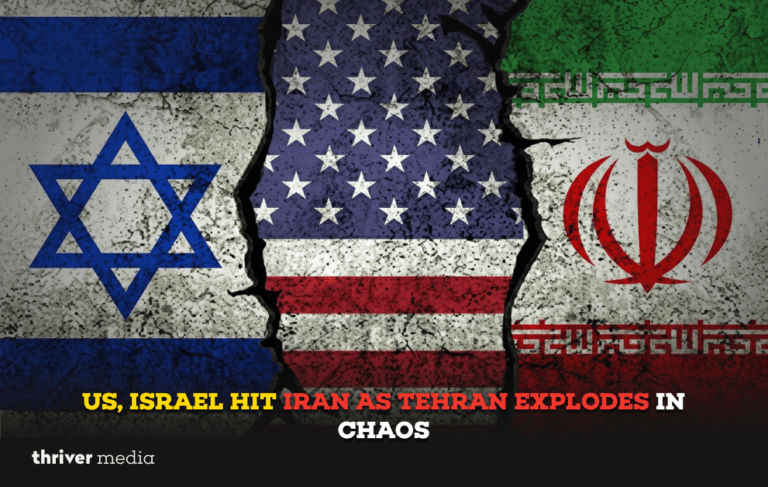
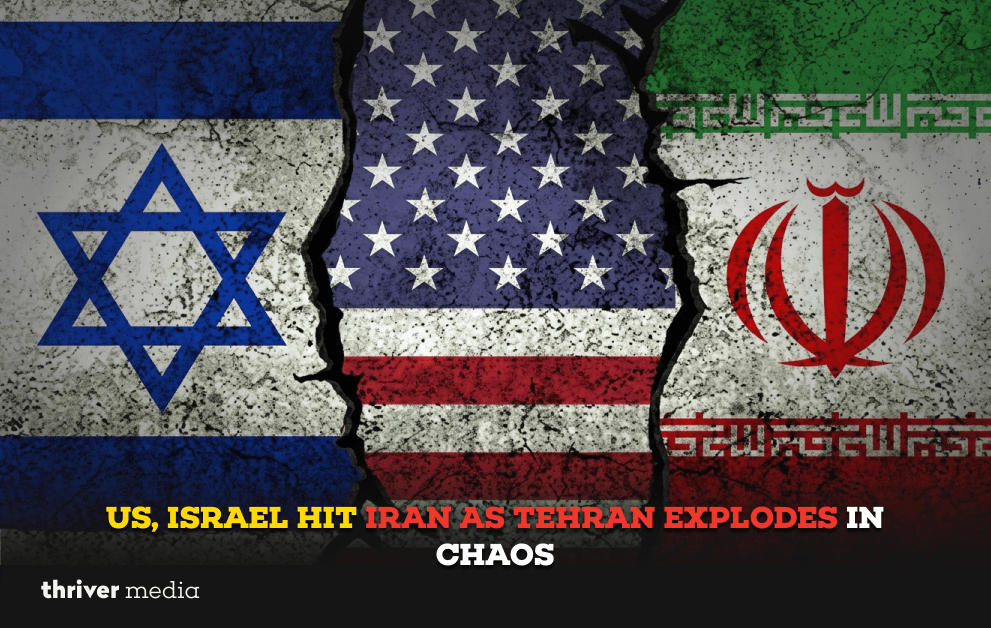
In a dramatic escalation of regional tensions, the United States and Israel have launched a coordinated military strike against Iran, with explosions reported across Tehran and multiple other locations nationwide. The attack marks a dangerous turning point in Middle East geopolitics, signaling the breakdown of diplomatic channels and raising the prospect of a broader regional conflict. Intelligence officials confirm this is a joint military operation, and the consequences are unfolding in real time.
This analysis examines what happened, who struck Iran, and what the attack means for regional stability and global security.
A Confirmed US-Israel Joint Military Operation
A U.S. official confirmed to Al Jazeera that the attack was a coordinated military operation between the United States and Israel. This is not an Israeli operation conducted alone, but a joint strike involving direct American participation. The confirmation from U.S. authorities signals that the attack has full support from Washington and represents American commitment to the operation.
The joint nature of this attack is significant. It demonstrates alignment between the two nations on Iran policy and willingness to take military action simultaneously, without waiting for further negotiations or UN approval.
Explosions Reported Across Tehran and Multiple Regions
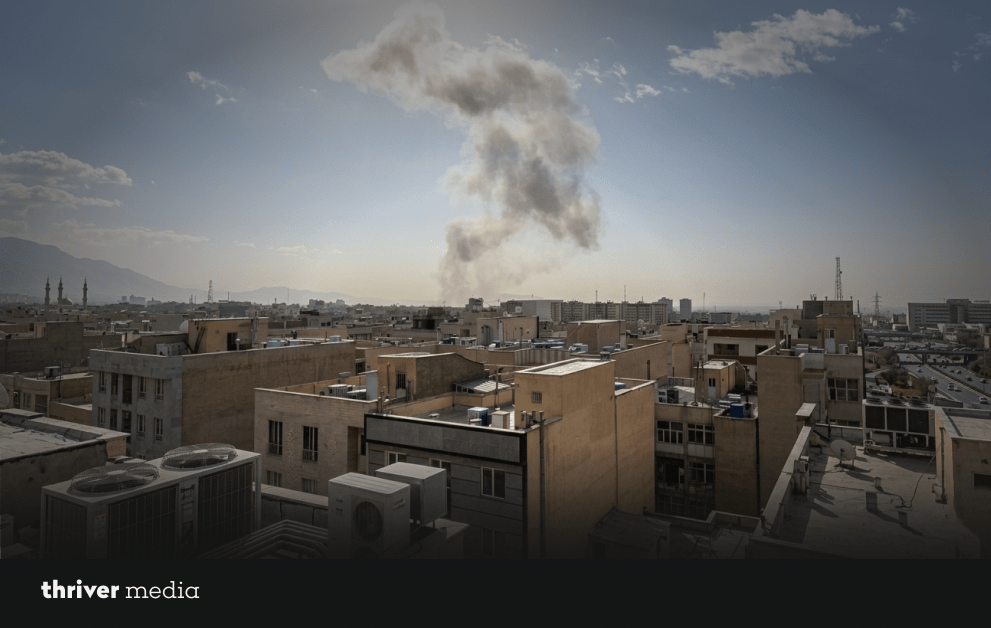
Explosions were clearly heard and seen across Tehran, Iran’s capital, with smoke rising visibly over the city. Residents reported multiple blasts in quick succession, indicating a coordinated strike targeting multiple locations simultaneously.
Missiles struck University Street and the Jomhouri area in central Tehran, two strategically important zones in the heart of the capital. Additional explosions were reported in northern Tehran’s Seyyed Khandan area, suggesting the strike was designed to target multiple neighborhoods and government facilities.
Iranian media reported attacks nationwide, indicating that the operation extended far beyond the capital. This nationwide scope demonstrates the scale and coordination of the assault, with strikes hitting targets across Iran’s territory.
Communications were disrupted in parts of Tehran following the strikes, complicating efforts to assess the full extent of damage and casualties. The disruption also hampers the Iranian government’s ability to respond and coordinate its own defense.
Direct Targeting of Supreme Leadership
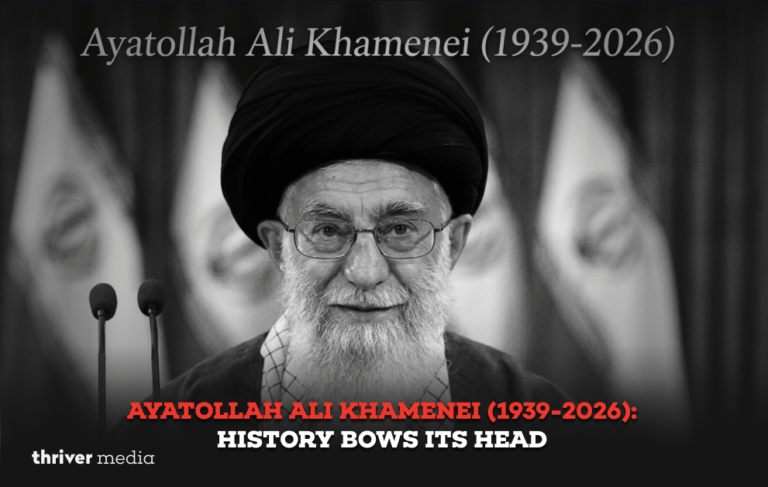
Reports indicate that strikes occurred near the offices of Supreme Leader Ayatollah Ali Khamenei, Iran’s most powerful political figure. In response, officials moved Khamenei to a secure undisclosed location, removing him from his regular headquarters. This targeting of the Supreme Leader’s facilities represents an attack on the highest echelons of Iranian government.
The focus on Khamenei’s facilities signals that the operation was designed not just to degrade Iranian military capabilities, but to directly threaten the country’s supreme authority. This adds a political dimension to what might otherwise appear as purely military targeting.
Israeli Defense Ministry Claims Targeting of Threats
Israeli Defense Minister Israel Katz stated that the strike was conducted to remove threats to Israel’s security. According to Katz, the operation targeted capabilities that posed a direct danger to Israeli territory and citizens. This justification frames the attack as defensive rather than preemptive aggression.
Israel declared a state of emergency across the country following the strikes, activating civil defense protocols. Sirens sounded in Israeli cities, and the country’s airspace was closed to civilian traffic. These measures indicate heightened tensions and preparation for potential Iranian retaliation.
Regional Lockdown and Global Concern
The impact of the strikes spread rapidly across the Middle East. Iraq closed its national airspace in response to the escalation, preventing aircraft from flying over Iraqi territory. The U.S. Embassy in Qatar issued a shelter-in-place order for personnel and citizens, reflecting concerns about potential regional instability or retaliatory action.
These regional responses underscore how quickly the attack has destabilized the Middle East. With multiple nations implementing emergency measures, the operation has created uncertainty and concern far beyond Iran and Israel.
Months of Planning and Timing During Negotiations
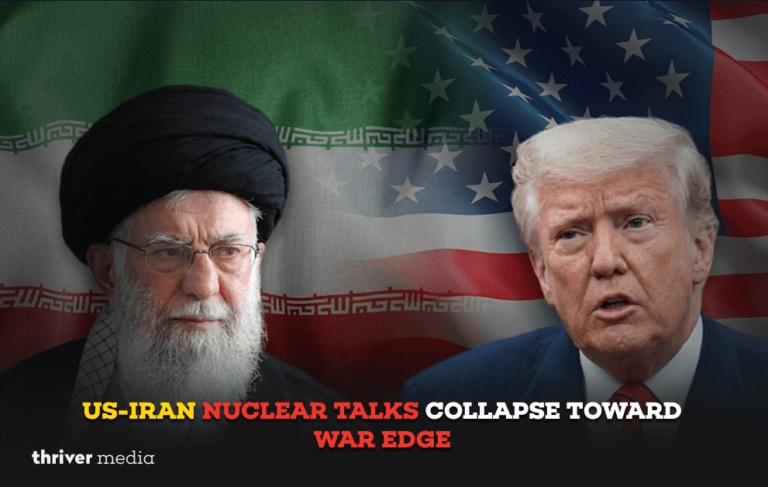
Reports indicate that the strike was planned for months, with preparations beginning well before the actual operation. Notably, the operation was planned even during ongoing nuclear negotiations between Iran and international powers. This timing raises critical questions about whether the military operation was designed to derail diplomatic efforts.
The coordination of military planning alongside diplomacy suggests that some parties may have been pursuing military objectives while appearing to negotiate. If the strike was intended to undermine negotiations, it signals a loss of faith in diplomatic solutions and a preference for military resolution.
The attack effectively closes the door on current nuclear negotiations. Whatever progress had been made in talks is now overshadowed by direct military action, making it nearly impossible for Iran to continue discussing nuclear limitations while under bombardment.
Escalation and the Collapse of Diplomatic Order
The joint US-Israel strike represents a fundamental shift in Middle East strategy. Rather than pursuing long-term negotiations or international consensus through the United Nations, the operation demonstrates a preference for unilateral military action. This approach bypasses global institutions and international law, setting a precedent for direct military intervention without waiting for diplomatic resolution.
The timing of the strike, even during nuclear talks, suggests that military planners and political leaders prioritized immediate security concerns over the possibility of negotiated agreements. This collapse of the diplomatic framework leaves few mechanisms to prevent further escalation.
For Iran, the attack will likely trigger a response. The targeting of Supreme Leader Khamenei’s facilities and nationwide strikes across Iranian territory will be perceived as an existential threat. Iranian leaders will face domestic and international pressure to demonstrate that they can respond effectively to such an assault.
What This Means for Global Security
The attack raises serious questions about the future of the Middle East and global stability. The operation demonstrates that major powers are willing to strike Iran directly, undermining deterrence calculations and stability assumptions that have existed for decades. This creates uncertainty for every regional actor and nation with interests in the Middle East.
Oil markets will react to supply concerns, as Iran’s response could disrupt energy infrastructure. Economic shocks from escalation could spread globally. European nations, Asian powers, and other stakeholders in Middle East stability will all face consequences from this conflict’s trajectory.
The precedent set by this joint operation also matters. If military action can proceed without international authorization, the framework of international law and institutions becomes weaker. This has implications for conflicts far beyond the Middle East.
Frequently Asked Questions
Did the United States participate directly in the Iran strike?
Yes. A U.S. official confirmed to Al Jazeera that the attack was a joint military operation between the United States and Israel, indicating direct American participation in the strike planning and execution.
How widespread were the explosions across Iran?
Explosions were reported nationwide, not just in Tehran. Missiles struck University Street and the Jomhouri area in the capital, the Seyyed Khandan area in northern Tehran, and targets elsewhere across Iranian territory, demonstrating a coordinated, large-scale operation.
Was Supreme Leader Khamenei targeted directly?
Reports indicate strikes occurred near Khamenei’s offices, and he was moved to a secure location immediately following the attack. While he was not reportedly killed, the targeting of his facilities represents an attack on Iran’s supreme authority.
What does Israel say was the justification for the attack?
Israeli Defense Minister Israel Katz stated that the strike was designed to remove threats to Israel’s security. Israel also declared a state of emergency, closed its airspace, and activated civil defense measures in response to potential retaliation.
Does this strike end nuclear negotiations between Iran and international powers?
The military operation effectively ends current nuclear negotiations. The strike, planned during ongoing talks, signals that military solutions have been prioritized over diplomatic ones, making it virtually impossible for negotiations to continue meaningfully.
Bottom Line
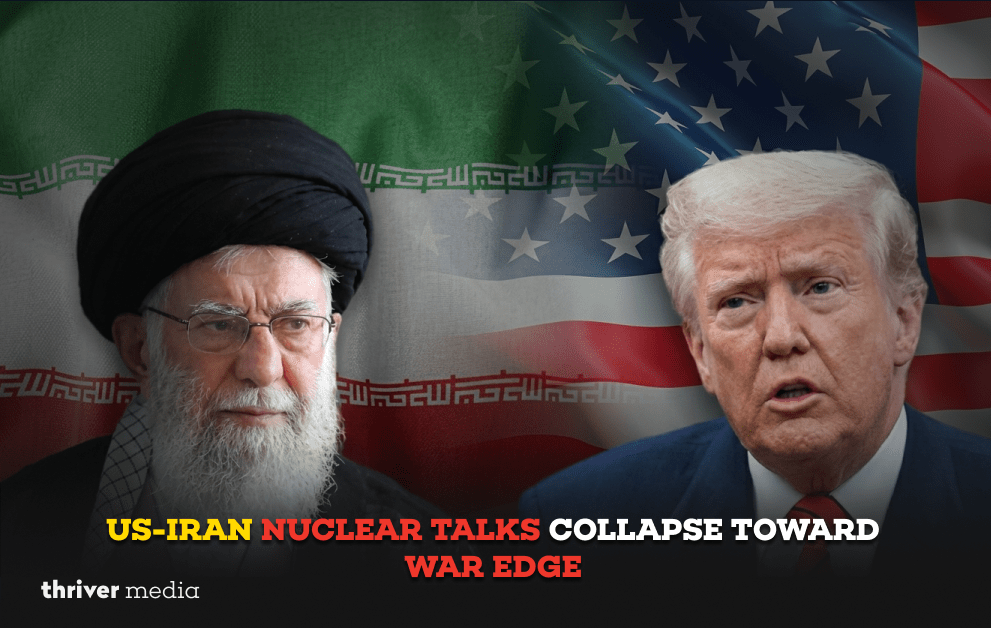
The joint US-Israel strike on Iran represents a critical escalation in Middle East conflicts. Explosions across Tehran and nationwide attacks directly targeted Iranian leadership, military capabilities, and government facilities. The operation was planned for months and conducted even during nuclear negotiations, suggesting military objectives were prioritized over diplomatic solutions. Iran now faces a choice between accepting the strike and responding militarily, with few intermediate options available. The region is on the brink of wider conflict, and global stability is at significant risk.
Looking Forward: The Risk of Wider Conflict
As smoke rises over Tehran and officials implement emergency measures across the Middle East, the region stands at a dangerous crossroads. The joint US-Israel operation has shattered whatever diplomatic structures existed for managing US-Iran tensions. Supreme Leader Khamenei has been forced to secure locations, Iranian government facilities have been damaged, and communications disrupted. These are not the actions of a limited strike meant to signal capability or resolve.
Iran will be under immense domestic pressure to respond. The targeting of leadership facilities and nationwide assault on military and government infrastructure demands a reaction. Whether Iran chooses measured retaliation or broader escalation will determine whether the current crisis remains contained or expands into a regional war involving multiple nations and global powers.
The stakes have never been higher. Without immediate diplomatic intervention and de-escalation efforts, the Middle East faces the real possibility of a catastrophic conflict. The window for preventing wider war is closing rapidly, and every decision made in the coming days will determine whether this strike becomes a turning point toward peace or the beginning of a far more dangerous regional conflict.
Disclaimer: The news and information presented on our platform, Thriver Media, are curated from verified and authentic sources, including major news agencies and official channels.
Want more? Subscribe to Thriver Media and never miss a beat.