

5th March 2026

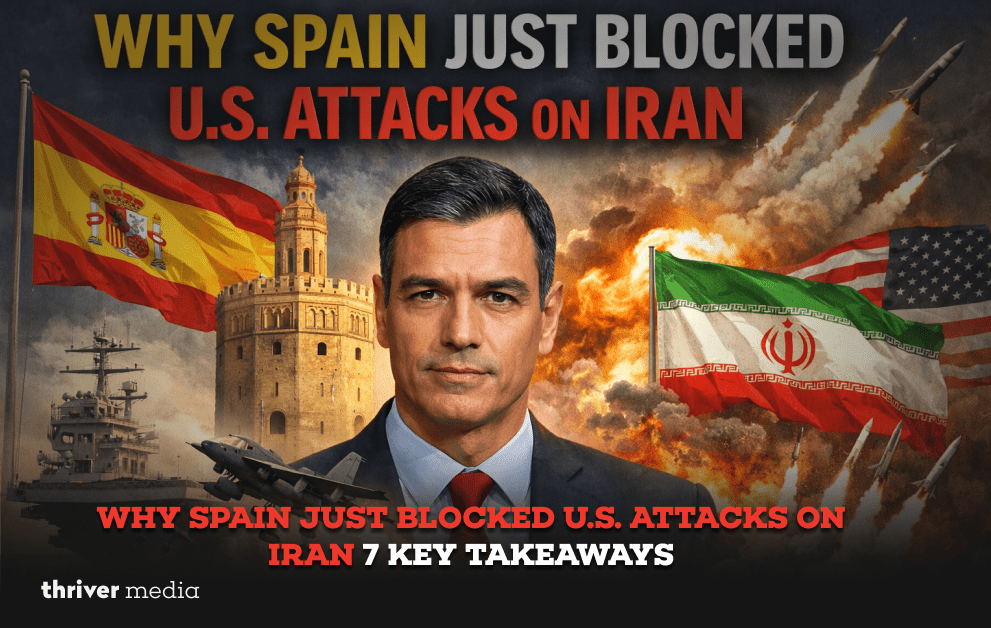
Imagine waking up to find that your oldest ally just called you a “terrible partner,” threatened to cut off all trade with your country, and accused you of hiding fighter jets in your backyard. That is exactly the diplomatic explosion that just detonated between Washington and Madrid.
While the world was glued to the escalating conflict in the Middle East, a quieter but equally devastating war of words broke out between the White House and the Palacio de la Moncloa. Spain didn’t just say “no” to the United States; it slammed the door, invoked the ghost of the Iraq War, and told President Donald Trump that it would not be “complicit” in another illegal conflict . And in doing so, Madrid might have just drawn a line in the sand for the rest of Europe.
Key Point: This isn’t a simple disagreement over military tactics. It is a historic rupture that reveals the crumbling foundations of the transatlantic alliance. Here are the 7 key takeaways you need to understand about why Spain just blocked the U.S. and why it changes everything.
Takeaway #1: The Ghost of the Iraq War Haunts Madrid
You cannot understand Spain’s defiance without understanding the national trauma of 2003. Prime Minister Pedro Sánchez explicitly invoked the “Azores Islands mindset” a direct reference to the 2003 Azores Summit where former Spanish Prime Minister José María Aznar stood shoulder-to-shoulder with George W. Bush and Tony Blair to greenlight the invasion of Iraq.
The Lesson That Cost a Generation
Sánchez warned that path “previously brought Europe a more insecure world and a worse life”. For Spain, the Iraq War was a catastrophe that spawned terrorism and instability on its doorstep. When Sánchez says, “one cannot respond to one illegality with another,” he isn’t speaking hypothetically. He is reminding his people and the world that Spain tried the “coalition of the willing” approach before, and it ended in disaster. This time, Madrid is choosing international law over alliance loyalty.
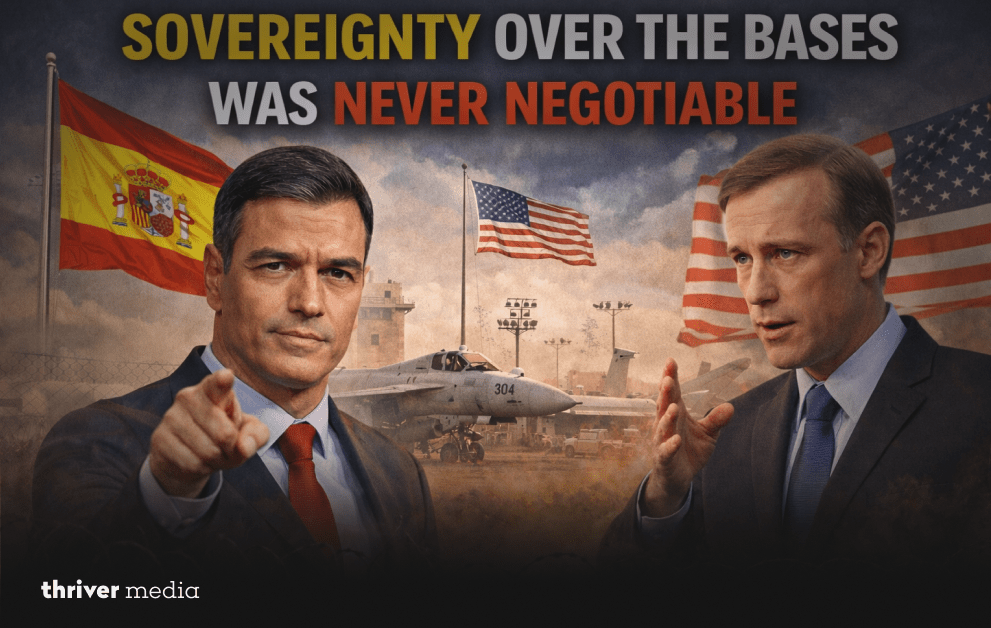
Takeaway #2: Sovereignty Over the Bases Was Never Negotiable
The flashpoint of the crisis is physical: the Naval Station Rota and Moron Air Base in southern Spain. These are jointly operated facilities, but they sit on Spanish soil. Legally, they are under Spanish sovereignty.
“We Will Not Be Vassals”
When the U.S. requested access to launch attacks on Iran, Spain’s answer was a constitutional brick wall. Foreign Minister Jose Manuel Albares made it crystal clear: “Spanish bases are not being used for this operation, and they will not be used for anything not included in the agreement with the United States”. Deputy Prime Minister Maria Jesus Montero went even further, declaring that Spain “will not be vassals” to another country.
Flight data from FlightRadar24 confirmed the standoff was real. At least fifteen U.S. aircraft mostly KC-135 refueling tankers packed up and left the Spanish bases, rerouting to Germany and France . Spain didn’t just deny permission; it forced a logistical retreat.
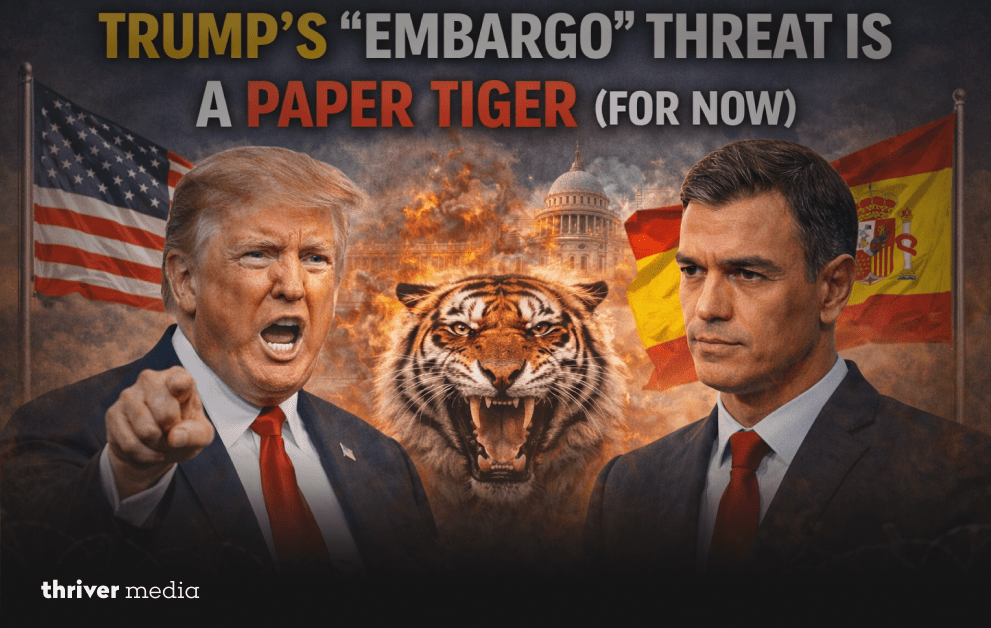
Takeaway #3: Trump’s “Embargo” Threat Is a Paper Tiger (For Now)
In a fit of rage during a meeting with German Chancellor Friedrich Merz, Trump threatened the ultimate punishment: “We’re going to cut off all trade with Spain. I have the power to do it, and we’re going to do it”.
The Numbers Don’t Lie
But here is the twist: Spain isn’t shaking in its boots. Why? Because the U.S. actually has more to lose. In 2025, the U.S. exported about $26 billion worth of goods to Spain, while importing $21 billion, leaving America with a trade surplus. If Trump cuts off trade, American energy and chemical companies lose a massive market.
Furthermore, Spain is part of the European Union. EU spokesperson Olof Gill warned that the bloc stands “ready to act if necessary to safeguard EU interests”. Trump can’t just snap his fingers and erase Spain from the map; he’d have to take on the entire European single market.
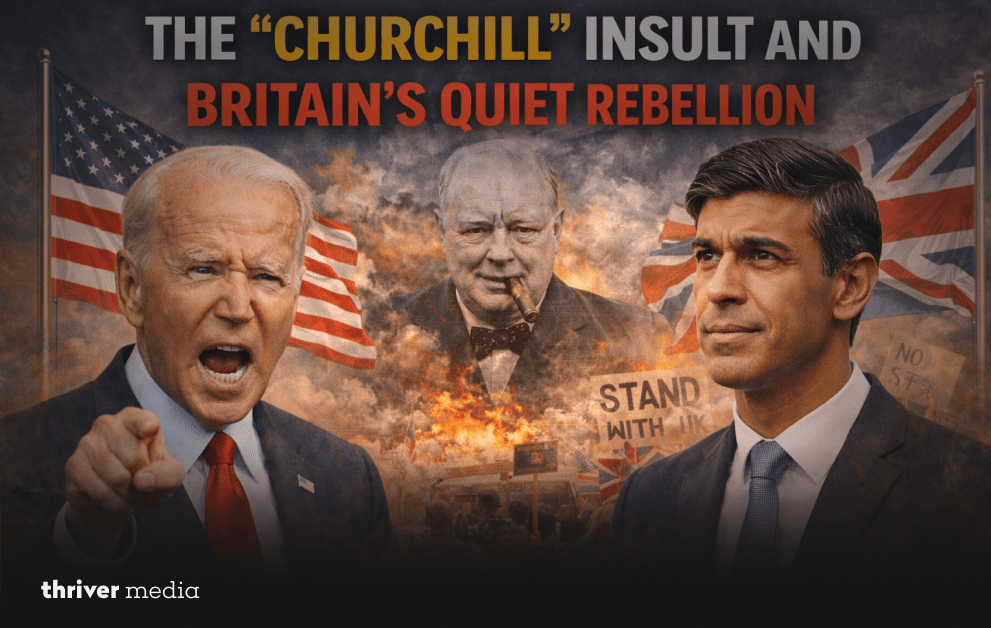
Takeaway #4: The “Churchill” Insult and Britain’s Quiet Rebellion
Spain isn’t alone. Trump’s frustration boiled over onto the UK as well. He took a personal swipe at Prime Minister Keir Starmer, sneering, “This is not Winston Churchill that we’re dealing with”.
The Special Relationship Cracks
While Britain eventually allowed use of the Diego Garcia base in the Indian Ocean for “defensive” purposes, it flatly refused to participate in offensive strikes. France’s Emmanuel Macron also publicly backed Spain, stating that the U.S.-Israeli actions “do not comply with international law”. Spain may be taking the heat, but it is carrying the water for a significant chunk of Europe that is fed up with being dragged into American-led wars.
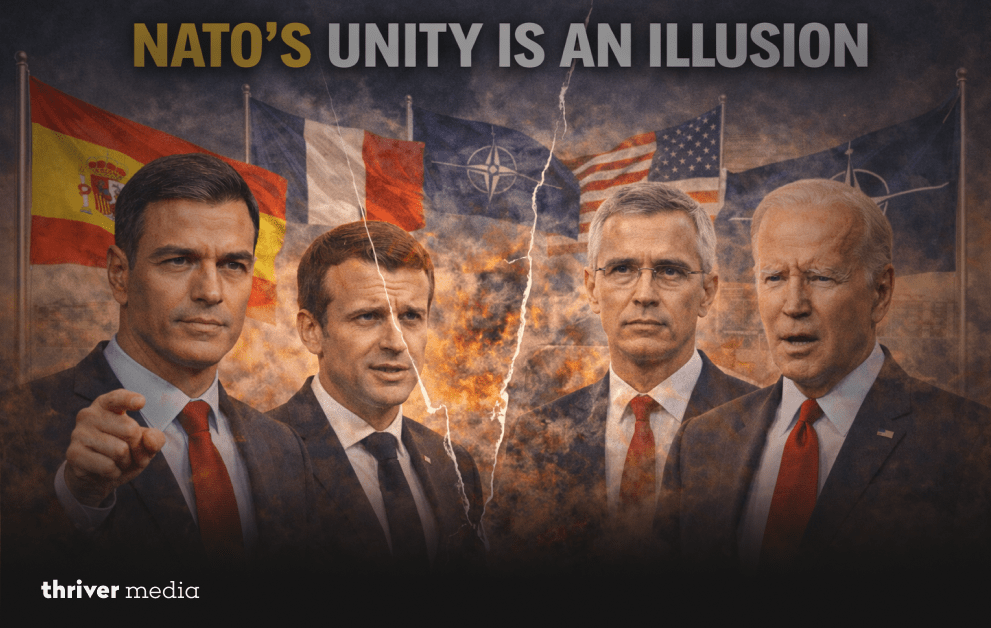
Takeaway #5: NATO’s Unity Is an Illusion
Trump used the moment to resurrect his favorite hobby horse: NATO defense spending. He slammed Spain for being the only NATO member resisting the push to hit the 5% GDP spending target.
The Spanish Counter-Punch
Spain’s response? “We can meet our defense needs with 2.1%.” But more importantly, Spain is arguing that defense isn’t just about spending money; it’s about spending it wisely and legally. By refusing to greenlight an attack it deems illegal, Spain is asserting that NATO membership does not mean automatic compliance with unilateral U.S. decisions. This is a nightmare for Washington, which relies on the appearance of alliance consensus.
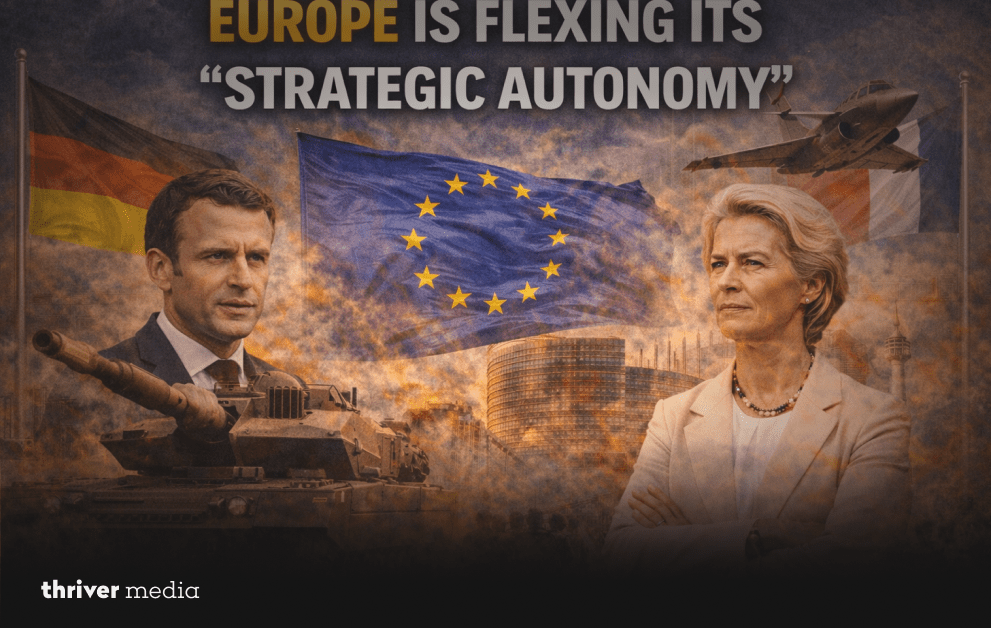
Takeaway #6: Europe Is Flexing Its “Strategic Autonomy”
The buzzword in Brussels right now is “strategic autonomy” the idea that Europe should be able to act independently of the U.S. Spain just turned that buzzword into a policy.
The European Socialist Shield
The Party of European Socialists (PES) and the S&D Group in the European Parliament immediately rallied behind Sánchez. “We will not be intimidated by unacceptable threats,” they declared. They praised Spain for choosing “dignity and international law over yet another illegal war”.
Spain has even set aside €141 billion to cushion its economy against potential U.S. tariffs and to diversify its supply chains. This isn’t a bluff; it’s a war chest for economic independence.
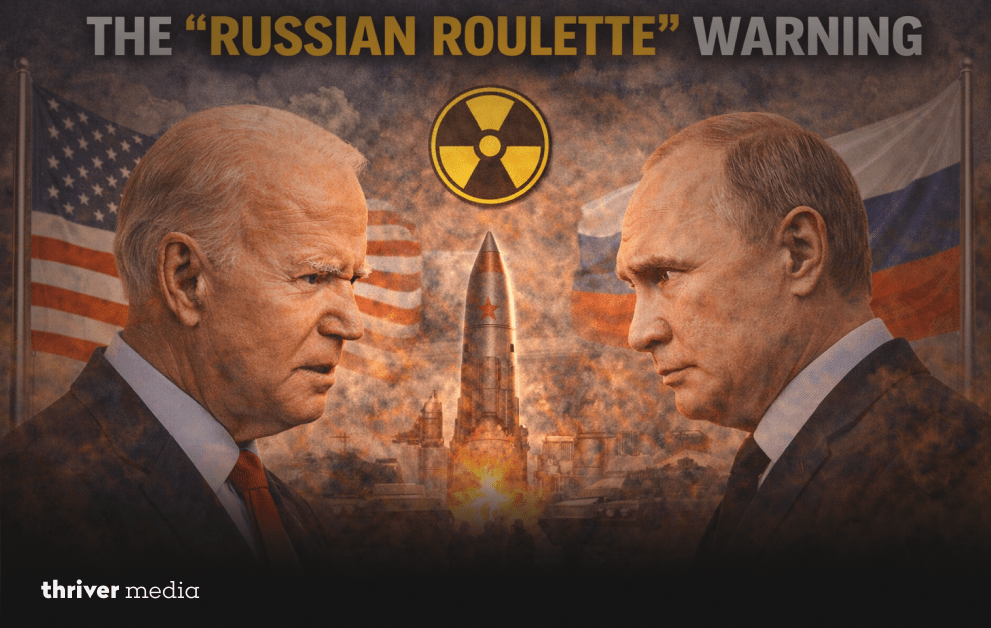
Takeaway #7: The “Russian Roulette” Warning
Finally, Sánchez framed his refusal in the most chilling terms possible. He accused the belligerents of “playing Russian roulette with the destiny of millions”.
A Call for De-escalation
With oil prices spiking, the Strait of Hormuz threatened, and civilian lives hanging in the balance, Spain is positioning itself as the voice of reason. Foreign Minister Albares warned of “unpredictable consequences” including global economic shockwaves. Spain’s “No to war” isn’t just pacifism; it is a pragmatic calculation that another Middle East war will drown Europe in refugees, terrorism, and economic collapse.
Table: Decoding the Transatlantic Rift
| Key Takeaway | What Spain Did | Why It Matters |
|---|---|---|
| The Iraq Trauma | Invoked the 2003 Azores Summit as a warning. | Rejects “coalition of the willing” disasters. |
| Base Sovereignty | Denied U.S. access to Rota and Moron bases. | Asserted legal control over its own territory. |
| Trade War Risk | Pointed to U.S. trade surplus ($26B exports). | Shows the U.S. has as much to lose economically. |
| European Unity | Received backing from EU Socialists and France. | Signals a unified European pushback. |
| NATO Spending | Resisted pressure to hit 5% GDP target. | Challenges the notion that spending equals loyalty. |
| Strategic Autonomy | Pre-funded €141B to counter U.S. tariffs. | Builds an independent economic defense. |
| Humanitarian Stance | Warned of “playing Russian roulette” with lives. | Prioritizes de-escalation over military action. |
FAQs
Did Spain actually kick U.S. troops out?
No, the troops are not “kicked out.” Spain simply denied permission for the bases to be used as launching pads for offensive strikes on Iran. The U.S. aircraft that were stationed there permanently have been temporarily relocated to bases in Germany.
Can Trump actually cut off all trade with Spain?
Legally, it’s complicated. While Trump claims he has the power to impose an embargo, Spain is an EU member. The U.S. Supreme Court recently struck down sweeping global tariffs, but the administration argues embargoes are different.
Why is Spain so opposed to this war compared to other countries?
Spain has a deep historical memory of the 2004 Madrid train bombings, which were partly linked to Spain’s involvement in the Iraq War. The current Socialist government is determined not to repeat what it sees as the “mistakes of the past”.
Did any other countries support Spain?
Yes. France, Germany, and the European Parliament’s Socialist group have all publicly expressed support for Spain’s position.
Conclusion
Spain just did something remarkable: it looked the American superpower in the eye and blinked last. By blocking the use of its bases, invoking international law, and rallying European support, Madrid has declared that the days of automatic compliance are over. Whether this leads to a temporary trade spat or a permanent realignment of the Western alliance depends on what happens next in Tehran, Washington, and Brussels.
Bottom Line: The “special relationship” between the U.S. and Europe just hit a brick wall in southern Spain. And that wall is named Sovereignty.
Official Source Link: For the official statements and press briefings regarding the White House’s position, you can visit the official U.S. Department of State website here. For the Spanish government’s official responses, refer to the La Moncloa press portal here.
Disclaimer: The news and information presented on our platform, Thriver Media, are curated from verified and authentic sources, including major news agencies and official channels.
Want more? Subscribe to Thriver Media and never miss a beat.