

12 January 2026
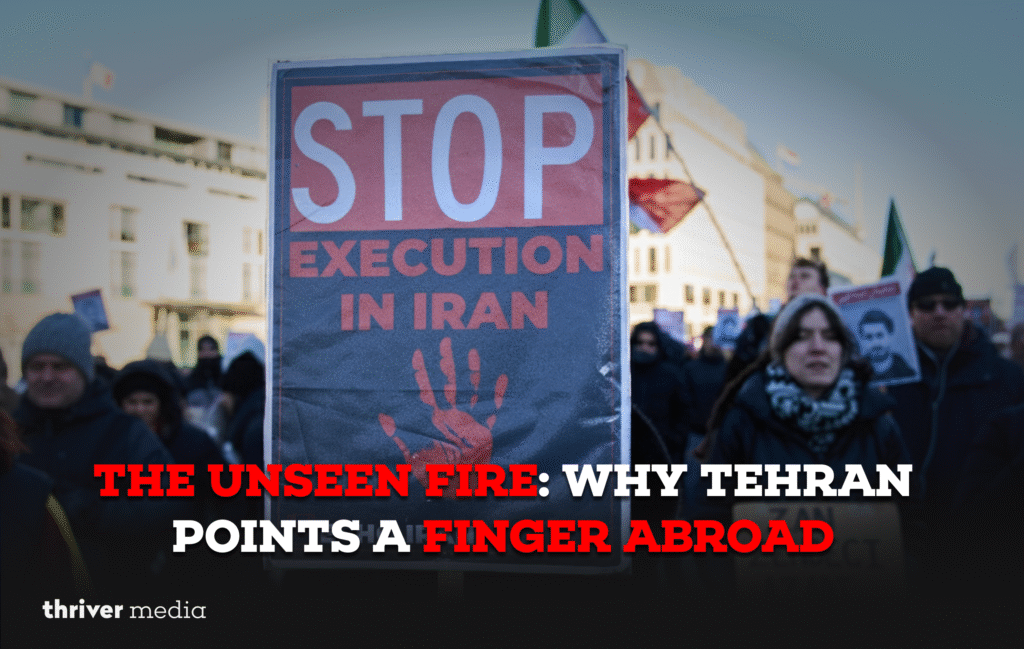
Iran says the protests are being stoked from the outside. This isn’t just a headline; it’s the core of Tehran’s narrative, a recurring theme that frames domestic unrest not as internal dissent, but as a battle against foreign interference. It’s a powerful claim, one that rallies support, justifies response, and frames a complex situation in stark, geopolitical terms. But what does this actually mean on the ground, and what story does this official stance tell?
The Official Stance: A Narrative of Sovereignty
The Iranian government’s position is clear and consistent. Officials from the Supreme Leader to spokespersons for the Foreign Ministry articulate that recent waves of protest are not organic expressions of public grievance. Instead, they are presented as a coordinated plot by foreign states and hostile media to destabilize Iran through a “hybrid war.”
This narrative serves multiple purposes:
- It unifies nationalist sentiment against a common external enemy.
- It delegitimizes the protesters’ demands by attributing them to foreign manipulation.
- It provides a framework for a firm security response, framed as defending national integrity.
The Human Context: Beyond the Headlines
To understand this, we must look at the street level. Protests in Iran, often sparked by specific incidents like economic hardship or social restrictions, are real events with real people. The government’s narrative doesn’t deny the protests exist; it re-frames their origin. A young person’s chant for change is characterized, from the official podium, not as a personal cry, but as an echo of a foreign broadcaster’s propaganda.
This creates a charged atmosphere where participation is not just dissent but can be painted as betrayal. It’s a powerful psychological and social tool that complicates the simple picture of a population versus its government.
The Foreign Element: Real Influence or Convenient Narrative?
The question of actual foreign involvement is a murky one. There is no doubt that:
- Exiled opposition groups vocally support and amplify protests from abroad.
- Foreign governments (like the US, Israel, and some Gulf states) have openly criticized Tehran and, in some cases, funded media outlets broadcasting into Iran.
- Sanctions and economic pressure from abroad directly impact the living conditions that often fuel public frustration.
Tehran’s argument blends these tangible elements with a broader accusation of direct orchestration, a claim that is much harder to verify but is central to their story.
Key Background at a Glance
| Aspect | Official Tehran Narrative | Common International & Dissident Perspective |
| Root Cause | Foreign-instigated “hybrid war” and regime-change conspiracy. | Organic public discontent driven by governance failures, economic hardship, and restrictions on civil liberties. |
| Protesters | Misled “elements” manipulated by foreign powers. | Ordinary citizens voicing legitimate social, political, and economic grievances. |
| Proposed Solution | Emphasis on national unity, security crackdowns, and defeating foreign plots. | Internal dialogue, policy reforms, accountability, and addressing public demands. |
| Role of Media | Foreign media (e.g., BBC Persian, Iran International) portrayed as key agitators. | These outlets are seen as providing uncensored information to a media-restricted population. |
FAQ
Officials frequently point to funding of Persian-language media based abroad, statements of support from foreign officials for protesters, and the history of admitted foreign interference (like the 1953 coup). They present this as a pattern of ongoing “soft war.”
This is the core of the dispute. While coordination is extremely difficult due to internet disruptions, external voices certainly provide moral support and a platform. The official narrative extends this to direct orchestration, which analysts find exaggerated, attributing agency primarily to Iranians themselves.
It is a fundamental pillar of the state’s identity since the 1979 Revolution, which defines itself in opposition to foreign domination. Accepting purely domestic roots for major unrest challenges this foundational identity.
Views are deeply polarized. Some fully subscribe to the narrative, while many others see it as a tactic to avoid accountability for domestic failings. Cynicism about all official narratives is widespread.
The Bottom Line
“Iran says the protests are being stoked from the outside” is more than a statement; it’s a lens. It is the definitive lens through which the Iranian state chooses to view, explain, and manage internal crises. It transforms domestic challenges into national security threats, and citizens into potential pawns. Whether one sees this as a sober assessment of geopolitical reality or a deliberate diversion from internal issues, its power lies in its simplicity and its deep roots in Iran’s modern history. It is a story that, by being told, actively shapes the conflict it describes.
Conclusion: A Story of Power and Perception
In the end, the enduring power of this narrative isn’t about forensic proof of foreign agents on the ground. It’s about perception, identity, and control. It successfully frames the debate on Tehran’s terms for a significant portion of the population and the state apparatus. It creates a clear “us vs. them” dynamic that is politically useful and emotionally resonant. For the rest of the world, understanding Iran means understanding that this narrative is not a sidebar to the protests, it is central to the official Iranian response. The protests may flame from local tinder, but Tehran insists on identifying and fighting the wind it believes is fanning them.
Official Source: For the definitive and direct statement of this position, refer to the speech by Supreme Leader Ayatollah Khamenei on the Ministry of Foreign Affairs website: Foreign Meddling in Iran’s Internal Affairs
Disclaimer: The news and information presented on our platform, Thriver Media, are curated from verified and authentic sources, including major news agencies and official channels.
Want more? Subscribe to Thriver Media and never miss a beat.