

11th Februaary 2026
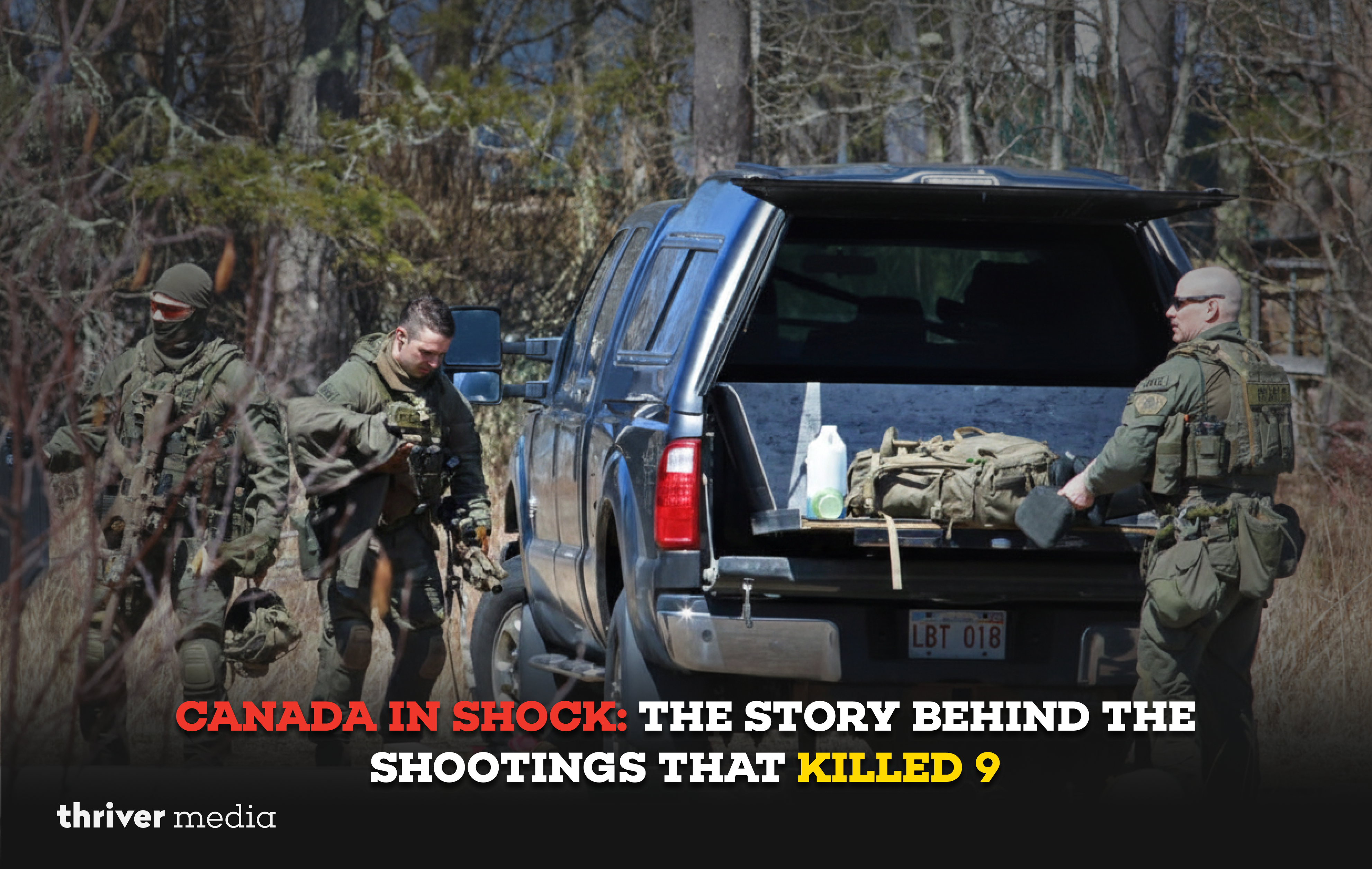
A quiet province was shattered. In a series of events that unfolded with terrifying speed, nine lives were tragically cut short, leaving families devastated and a nation grappling with a profound sense of grief and disbelief. This is the raw, human story behind the headlines a deep dive into the tragedy that shook Canada to its core.
The news hit like a physical blow: a shooting rampage spanning multiple locations in a close-knit community. In an instant, the everyday peace was torn apart by violence, launching one of the most complex manhunts in Canadian history. In the aftermath, not only did it spark a search for answers, but it also ignited an urgent, nationwide conversation about community safety, mental health, and ultimately, how such a tragedy could occur.
Key Points: What You Need to Know
- A multi-location attack resulted in the devastating loss of nine innocent lives.
- The tragedy triggered an intense, large-scale manhunt across multiple communities.
- The incident has ignited critical discussions on public safety protocols and mental health support systems.
- Families and communities are now navigating immense grief, seeking both justice and healing.
The Unfolding Nightmare: A Timeline of Tragedy
The events did not happen in a vacuum. They were a rapidly escalating crisis that stretched emergency services and sowed fear across the region.
A Community Under Siege
The violence began in a place residents considered safe their own homes. The initial attacks created chaos and confusion, with first responders facing a fluid and dangerous situation. As the scope became clear, the terrifying reality set in: an armed individual was moving through the community.
The Desperate Manhunt
What followed was a massive operation involving the Royal Canadian Mounted Police (RCMP) and other agencies. The manhunt kept entire towns on edge, with updates spreading fear and anxiety through social media and news alerts. The final confrontation brought the immediate threat to an end, but the psychological impact on the community was just beginning.
The Core Problem: Beyond the Headlines
To understand this tragedy is to look beyond the single actor. The problem is multifaceted, rooted in gaps that communities across Canada and the world struggle with.
1. The Challenge of Intervention: Often, in the aftermath, signs of potential crisis are revealed. The problem lies in the system’s ability to identify, assess, and proactively intervene with individuals who may be a risk to themselves or others, especially when concerning behavior falls through the cracks between mental health services, law enforcement, and community support networks.
2. The Illusion of Safety in Rural Areas: The shootings shattered the common perception that severe violent crime is primarily an urban issue. Rural and remote communities often have limited police resources, greater distances to travel for help, and fewer immediate mental health crisis services, making them uniquely vulnerable when violence erupts.
3. The Lasting Trauma of Community Violence: The problem doesn’t end when the shooter is caught. The psychological trauma inflicted on survivors, witnesses, first responders, and the entire community is deep and long-lasting. Addressing this wave of grief, PTSD, and fear is a monumental task that requires sustained, specialized resources.
| Context | Details |
|---|---|
| Date | April 18–19, 2020 |
| Location | Primarily Portapique, Nova Scotia, spanning multiple communities |
| Fatalities | 9 victims, plus the perpetrator |
| Key Response | The RCMP manhunt and emergency alerts |
| Major Outcome | Launch of the independent Mass Casualty Commission public inquiry |
| Lasting Focus | Community safety, mental health intervention, and support for victims’ families |
Pathways to Solutions: Healing and Prevention
While nothing can undo the loss, communities and policymakers are compelled to seek solutions to prevent future tragedies and support healing.
Strengthening the Safety Net
Solution: This requires integrated systems that facilitate communication between health care providers, police, and social services. Increased funding for proactive, accessible mental health and crisis intervention teams is critical. Programs that focus on early identification in schools, workplaces, and through family doctors can create a net that catches people before they fall too far.
Empowering Rural Resilience
Solution: Equip rural communities with the tools for safety and rapid response. This includes investment in communications technology, training for local first responders in active threat and crisis negotiation scenarios, and establishing reliable protocols for inter-community support during major incidents. Tele-health mental health services can also bridge the gap for remote residents.
Committing to Long-Term Community Healing
Solution: Recovery must be a marathon, not a sprint. Dedicated, long-term funding for trauma counseling, community support groups, and victim services is essential. Initiatives like community remembrance events, resilience training for schools, and support for first responders’ mental health are crucial steps in rebuilding a sense of security and togetherness.
FAQs
The shootings occurred in multiple locations across the province of Nova Scotia in April 2020, beginning in the rural community of Portapique.
The victims included a veteran RCMP officer, Constable Heidi Stevenson, a teacher, nurses, correctional officers, and cherished family members and neighbors ordinary Canadians going about their lives.
The federal and provincial governments commissioned a Mass Casualty Commission to conduct a full, independent public inquiry. Its goal is to provide a complete account of what happened, find lessons learned, and make recommendations to help keep communities safe in the future.
Consider donating to verified funds established for the victims’ families or to organizations providing trauma and mental health support in Nova Scotia. The most meaningful support often comes from respecting the community’s grief and amplifying calls for constructive change.
The Bottom Line
The shockwaves from this tragedy will be felt for generations. It was a failure on multiple levels a failure to prevent, a failure to protect in the moment, and a reminder of the work needed to heal. The story is not just about violence; it is about the fragility of peace, the courage of first responders, and the resilience of communities faced with the unthinkable.
Conclusion: A Nation’s Resolve
Canada was indeed left in shock. But from this profound grief emerges a clear-eyed resolve. The legacy of the nine lives lost must be a relentless pursuit of safer, more connected communities. It demands honest scrutiny of our systems, unwavering support for those living with trauma, and a collective commitment to see the signs and reach out before it’s too late. The story behind these shootings is a heartbreaking chapter in Canadian history, but the next chapter is being written by advocates, policymakers, and neighbors determined to build a future where such a tragedy is far less likely to happen again.
Official Source & Further Reading: Mass Casualty Commission
Disclaimer: The news and information presented on our platform, Thriver Media, are curated from verified and authentic sources, including major news agencies and official channels.
Want more? Subscribe to Thriver Media and never miss a beat.